


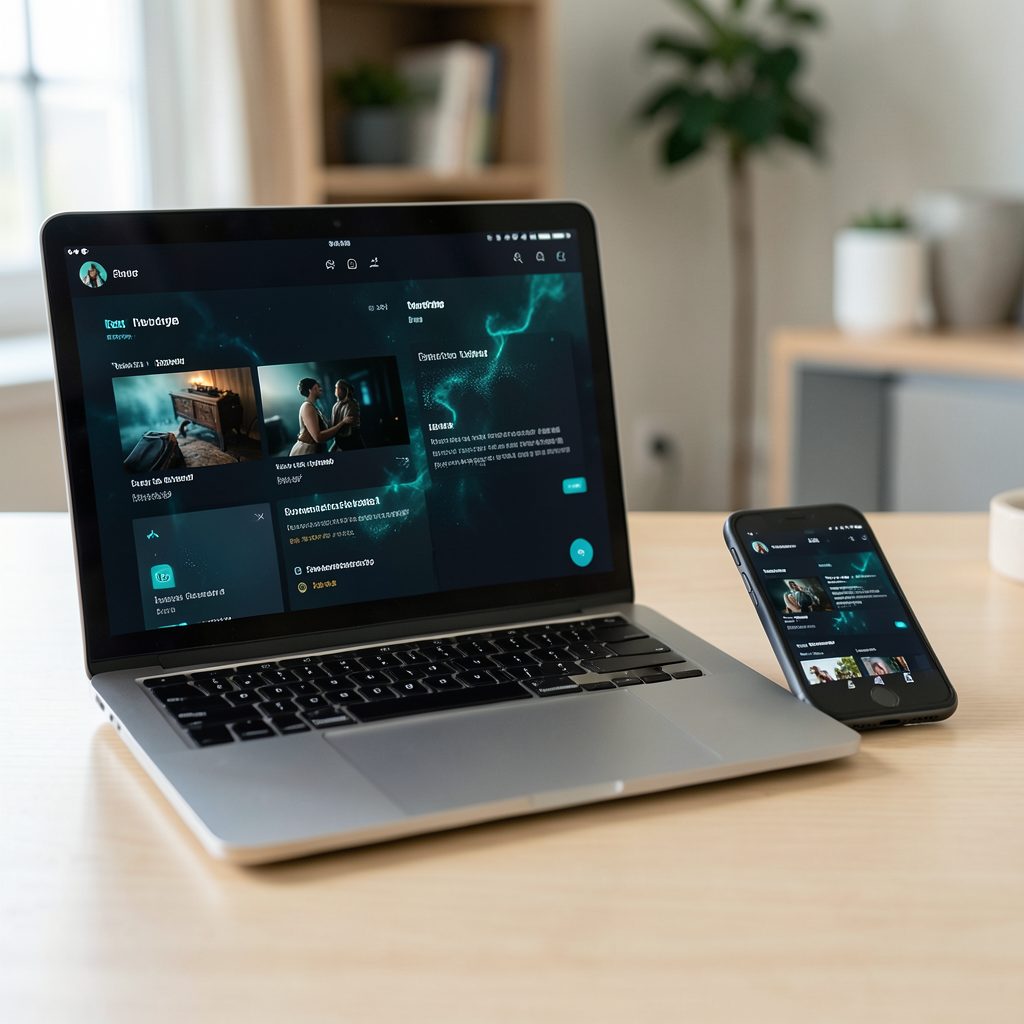
Popcorn Time vs torrents on a seedbox: A privacy comparison
Popcorn Time and a torrent client running on a remote seedbox can both move large video files through BitTorrent, but they create different privacy arrangements. Popcorn Time acts mainly as a streaming interface, while a seedbox keeps the torrent client and swarm activity on a server outside the home. The distinction matters because each approach exposes connection metadata to a different mix of internet service providers, peers, software suppliers and hosting companies. Learn more about Prepikashows.com.
Privacy is not absolute in either case. A seedbox can conceal the home IP address from other torrent participants, yet the seedbox operator still knows which account accessed the server and may retain connection logs. Popcorn Time may offer convenience and fewer visible settings, but forks vary considerably in trackers, update mechanisms, remote-control features and the way they connect to content sources. For Australian viewers, legal exposure also needs to be considered alongside technical privacy.
For most people comparing Popcorn Time vs torrents on a seedbox, the seedbox offers stronger separation between household traffic and peer-to-peer activity, while Popcorn Time is easier to set up. Neither method makes unauthorised downloading lawful, and neither should be treated as anonymous. The best choice depends on the content, the trust placed in service providers and whether the priority is simple viewing or tighter control of network metadata.
How the two privacy models differ
Popcorn Time requests torrent pieces from peers and plays them through a bundled or connected media player. The swarm can see the public IP address used for those transfers, while the chosen fork may also contact trackers, update servers and third-party content APIs. A VPN routed through the application can change the address visible to peers, but it does not conceal activity from the VPN operator, and some forks may handle different traffic through different routes.
With a seedbox, the torrent client runs on the remote machine. The household connects through an encrypted channel such as WireGuard, SSH or SFTP, and other peers normally see the seedbox's IP address rather than the home connection. This is a meaningful advantage on an Australian NBN, cable or fixed-wireless service, where the local internet service provider could otherwise associate torrent traffic with a household account.
Convenience introduces another layer. Popcorn Time supports living-room playback workflows, and this Xbox One streaming guide shows one way to send a stream from a PC to a console. Local discovery and casting can reveal device names or network addresses, so stronger peer privacy does not mean the entire viewing session is invisible. A seedbox offers less convenient media integration, but gives the user more control over where torrent software runs.
What Australian networks and law may reveal
Australian ISPs such as Telstra, Optus, TPG, Vodafone and iiNet can observe connection metadata associated with a customer's line, including the servers contacted, timing and transferred data. Encryption may hide the contents of a session, but it rarely prevents an ISP from seeing that a customer connected to a particular address. The same caution applies to fixed-line, 5G home internet and public Wi-Fi used in cafés, libraries or shared offices around Sydney, Melbourne, Brisbane and other cities.
The Copyright Act 1968 governs copyright in Australia, and rights holders can pursue civil remedies for unauthorised reproduction or communication. Federal Court orders can require participating internet service providers to block specified locations. In appropriate proceedings, service providers may also be asked to identify account holders. Blocking a website is different from making every torrent user visible, yet the existence of court-backed enforcement means that hiding an IP address should not be confused with removing legal risk.
Using a VPN is generally lawful in Australia, but it changes rather than eliminates the trust relationship. A reputable provider with clear logging, retention and ownership policies is more useful than one advertising total anonymity without explaining its data practices. Seedboxes and VPNs can also be paid for with traceable cards or bank transfers. Public Wi-Fi adds another concern: a café network can log destinations and session details, so encrypted remote access remains important even when the torrent transfer itself is separated from the home IP.
Seedbox advantages, limits and provider risks
A well-chosen seedbox places the torrent client, its configuration and its swarm connections on infrastructure controlled by someone else. Private torrenting, dedicated or shared IP choices and selective port configuration affect speed and exposure. No-logging claims deserve scrutiny because a provider capable of operating the server may still record account names, login addresses, payment details, timestamps and the files transferred, even if it does not log every packet.
Encryption between the home and server protects that leg of the journey. It also prevents an ISP from reading an SFTP transfer, while WireGuard can carry the remote interface through an encrypted tunnel. Account security still matters: a unique password, two-factor authentication where offered, current software and a restricted account reduce the chance that someone else retrieves files or changes client settings. These protections say little about what the host can inspect once the connection reaches its servers.
Shared and dedicated addresses illustrate why simplicity can mislead. A shared address makes it harder to associate a particular user with swarm activity from the outside, but it can create noisy connections and unreliable speeds. A dedicated address can improve performance and port handling while making activity easier to single out if logs exist. For legal and privacy purposes, the provider's jurisdiction, retention policy, response to valid legal requests and willingness to explain what it records are more informative than words such as “untraceable.”
Popcorn Time forks, playback and device privacy
Popcorn Time is not a single permanent build. Different forks may bundle different update services, player components, catalogue APIs, casting options and default trackers. Some retain a familiar peer-to-peer catalogue, while others are designed around licensed providers. Because source code and update domains can change, a fork that was private or stable during an earlier release may behave differently after an automatic update. Reviewing the project and avoiding unverified download mirrors is safer than assuming the original reputation still applies.
ChromeOS support also requires careful interpretation. Android applications may run through Linux support, while a web interface, remote-control app or an authorised Android environment can behave differently. The Chromebook setup guide provides one route for reviewing this workflow. Permission to install components should not be confused with permission to stream particular content, and each app or extension can introduce its own trackers, account prompts and local-network access.
Casting expands the privacy surface beyond the device running the stream. Chromecast, AirPlay and similar tools usually create a connection over the same household network, so the television may learn the source device's name and local address. Remote-control apps add another server and may synchronise watch history through a developer account. Popcorn Time forks with server-side catalogues can reduce direct peer exposure, but they substitute the fork operator's tracking for torrent-swarm visibility. A seedbox and Popcorn Time therefore differ in both network architecture and the organisations that receive data.
Choosing a private and lawful streaming setup
Start with rights and purpose. Australian viewers have plenty of licensed choices for films, series and catch-up television, including Binge, Fetch, Stan, Netflix, Disney+, ABC iview and the services bundled with pay-TV packages such as Foxtel. For users comparing non-peer-to-peer discovery options, PrepiKa Shows can also be reviewed alongside those catalogues, with the current availability, licensing terms, privacy policy and age requirements checked before relying on it. Availability and rights can vary by region and change over time.
For authorised file sharing, a reputable seedbox usually provides the better household privacy because the home ISP does not receive the swarm connection directly. It does not provide anonymity, and downloading, seeding or sharing copyrighted material without permission can still infringe the Copyright Act 1968. Popcorn Time can be convenient for a compatible device and authorised setup, but the chosen fork should be assessed for trackers, automatic updates and data collection. A VPN remains an additional transport decision rather than a substitute for lawful sourcing.
Choose deliberately today: list the content you want to watch, prefer a licensed service for routine viewing, and use a documented private torrent workflow only for files you have the right to access. Before creating an account, compare the provider's retention policy, payment and identity requirements, encryption options and support response. Test the setup with authorised content, restrict local-network permissions where possible, and keep account credentials unique so the privacy gained from remote hosting is not lost through an avoidable security mistake.