
How to Use Popcorn Time on a Chromebook Without Linux
Chromebooks are designed around ChromeOS, so installing desktop software built for Windows, macOS, or Linux is usually not possible in the conventional way. Popcorn Time adds another complication because different forks have different app packages, websites, supported devices, and maintenance histories.
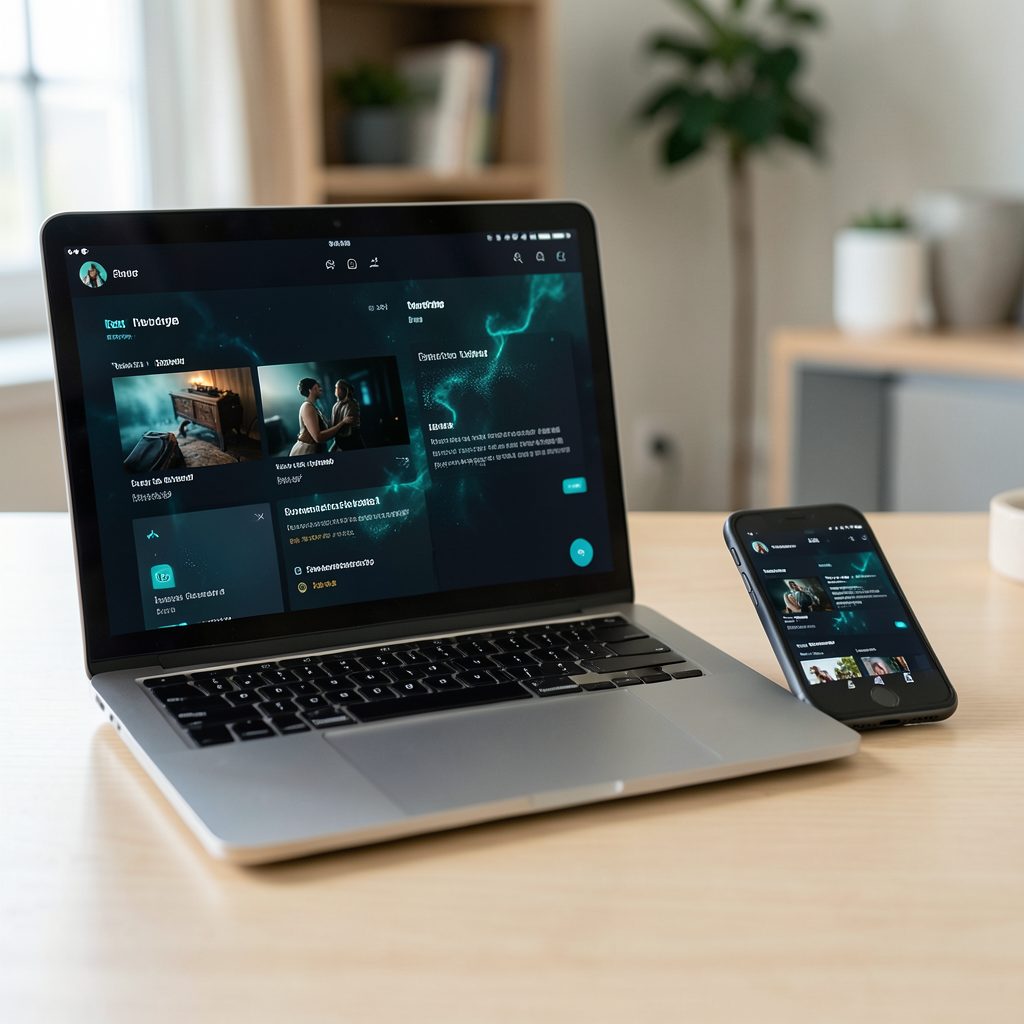
A Chromebook can still provide access to compatible streaming options without enabling Linux. The practical routes are a supported Android application from Google Play or a browser-based service offered by a reputable fork. Which method works depends on the Chromebook model, ChromeOS version, processor, and the software currently maintained by the provider.
Because Popcorn Time uses torrent-based playback, availability and legality vary by location and by the material being accessed. Check local copyright rules, avoid suspicious downloads, and use a secure network before testing any application or streaming site.
Check ChromeOS And Device Compatibility
Start by checking whether the Chromebook supports Android applications. Open Settings, select Apps, and look for Google Play Store. If the Play Store appears, Android app support is available in principle, although individual apps may still be incompatible with the device or ChromeOS version.
Older Chromebooks may have limited Android support, while school- or workplace-managed devices can block app installation entirely. ChromeOS Flex generally does not provide the same Android app support as standard Chromebook models. In those cases, installing an Android package locally may not be practical without changing the operating system.
Free storage and memory also matter. Torrent-based streaming can require temporary storage for buffering, while high-definition playback places greater demand on the processor and graphics hardware. Close unused browser tabs, update ChromeOS, and keep several gigabytes of free space before troubleshooting playback.
Choose A Browser Or Android Route
The Android route is usually the simplest option when a compatible Popcorn Time application appears in Google Play. Search carefully, inspect the developer name, read recent reviews, and check the requested permissions. Many applications use similar branding, and unofficial copies can contain aggressive advertising, tracking components, or malicious code.
A browser-based route avoids installing an application. Some forks or related services provide a web interface that runs in Chrome, although browser support may be limited and the site may not offer the same features as a desktop client. Avoid pages that demand browser extensions, unusual certificates, payment details for basic access, or downloads from unfamiliar file-hosting sites.
Sideloading an APK is technically different from using Linux, but it is not a universally safe or convenient Chromebook method. It may require developer settings, device-specific permissions, or an unsupported configuration. Enabling developer mode can erase local data and reduce some built-in security protections, so it should not be treated as a routine installation step.
| Access method | What you need | Main benefit | Main limitation |
|---|---|---|---|
| Google Play Android app | Compatible Chromebook and Play Store access | Familiar installation process | App may be unavailable or outdated |
| Chrome browser site | Current browser and a trustworthy web service | No local installation | Features and reliability vary |
| APK sideloading | Compatible device and advanced settings | May support apps absent from Play Store | Higher security and data-loss risk |
| Linux application | Linux development environment | Broader desktop software support | Outside a Linux-free setup and more complex |
| Casting from another device | Chromecast, Google TV, or compatible receiver | Keeps demanding software off the Chromebook | Requires a second device and compatible casting |
A Chromebook that lacks Play Store access is best treated as a browser-only device for this purpose. Do not assume that a Windows installer, macOS package, or generic Android APK will work simply because the file downloads successfully.
Install And Configure The Safer Option
If a legitimate, compatible Android listing is available, install it through Google Play rather than downloading an APK from a search result. Review the publisher, update history, privacy disclosures, and permissions before selecting Install. An app that requests access to contacts, SMS messages, accessibility controls, or unrelated device functions deserves particular caution.
After installation, open the app and review its settings before starting playback. Choose a reasonable video quality, set a buffer or cache limit if the application provides one, and select subtitles and audio preferences. Start with standard definition or 720p on modest hardware, then increase quality only after confirming that playback remains stable.
Some forks provide no official Chromebook package but do publish support notes for Android, web browsers, or casting devices. Compare the instructions with general cross-platform guidance, such as this cross-platform setup guide, while remembering that macOS instructions do not automatically apply to ChromeOS.
Never disable ChromeOS security features merely to make an unknown application run. If a download page insists that you turn off browser protections, install a certificate, or pay for an unrelated “activation” tool, close the page and remove any downloaded files.
Improve Playback And Casting
A stable connection is more important than maximum bandwidth alone. Wi-Fi congestion, a weak signal, and inconsistent latency can cause pauses even when a speed test shows a high headline speed. Use the 5 GHz network when close to the router, move nearer to the access point, and pause large downloads on other devices.
Chromebook screens are useful for testing, but a larger display may be preferable for extended viewing. If the application or browser page supports Google Cast, use the Cast control in Chrome or the Android app and select a compatible receiver. Chromecast performance depends on whether the receiver can handle the video format directly or whether the Chromebook must assist with casting.
AirPlay support is less consistent on ChromeOS. A Chromebook may display or control content through a browser service, but native AirPlay features are generally associated with Apple devices and compatible third-party receivers. If AirPlay is essential, verify support for the specific fork, browser, receiver, and media format before relying on it.
Keep the Chromebook connected to power during long sessions, especially on older models. ChromeOS may reduce performance when the battery is low or the device becomes warm. A hard surface, moderate brightness, and a limited number of open tabs can help prevent thermal throttling.
Resolve Common Chromebook Problems
If the app does not appear in Google Play, the developer may have excluded Chromebook devices, the package may require a phone-only feature, or the listing may have been withdrawn. Confirm that ChromeOS is updated and that the Play Store is enabled, but do not use a random mirror as an automatic replacement.
A black screen with audio usually points to a codec, hardware acceleration, or rendering problem. Try another title, lower the resolution, restart the app, and test playback in Chrome if a web version exists. If only one source fails, the issue may be related to that source rather than the Chromebook.
Buffering can result from slow torrent availability as well as local network conditions. Switching between sources may change performance, but source selection does not remove copyright obligations or eliminate security risks. Do not install browser extensions advertised as “instant buffering fixes” without checking their publisher and permissions.
When an app crashes, clear its cache from ChromeOS app settings, restart the Chromebook, and verify available storage. Uninstall software that produces persistent pop-ups, redirects, cryptocurrency-mining warnings, or unexplained login prompts. If the device is managed by an organization, contact the administrator instead of attempting to bypass its restrictions.
Protect Privacy And Respect Copyright
Torrent-based applications can expose connection information to other participants in a swarm, and a VPN may reduce some network-level exposure. A VPN does not make copyrighted activity legal, guarantee anonymity, or protect against malware inside an application. Choose a provider with a clear privacy policy, reliable ChromeOS or Android support, and transparent ownership rather than trusting a free service with vague terms.
Use only content you are authorized to access, and check the rules in your country before using any Popcorn Time fork. Copyright holders may restrict distribution and public performance even when a title is available through a familiar-looking interface. Legal streaming platforms, library services, broadcaster applications, and purchased downloads are safer alternatives when they provide the content you want.
Practical Recommendations
- Confirm Play Store availability and ChromeOS compatibility before downloading anything.
- Prefer verified browser services or official app listings over APK mirror websites.
- Keep ChromeOS, Chrome, and security settings updated throughout the setup.
- Use a VPN only as a privacy tool, not as permission to access unauthorized material.
- Test casting, subtitles, resolution, and network stability before settling into a long viewing session.
A Chromebook can handle a Linux-free setup when the chosen service supports Android or the browser directly. Keep the configuration conservative, treat unexpected downloads as a warning sign, and remove any application that behaves suspiciously.
Review the device compatibility details, select content you are legally allowed to watch, and test playback at a modest quality first. With those safeguards in place, ChromeOS can remain simple, secure, and suitable for supported streaming and casting workflows.