


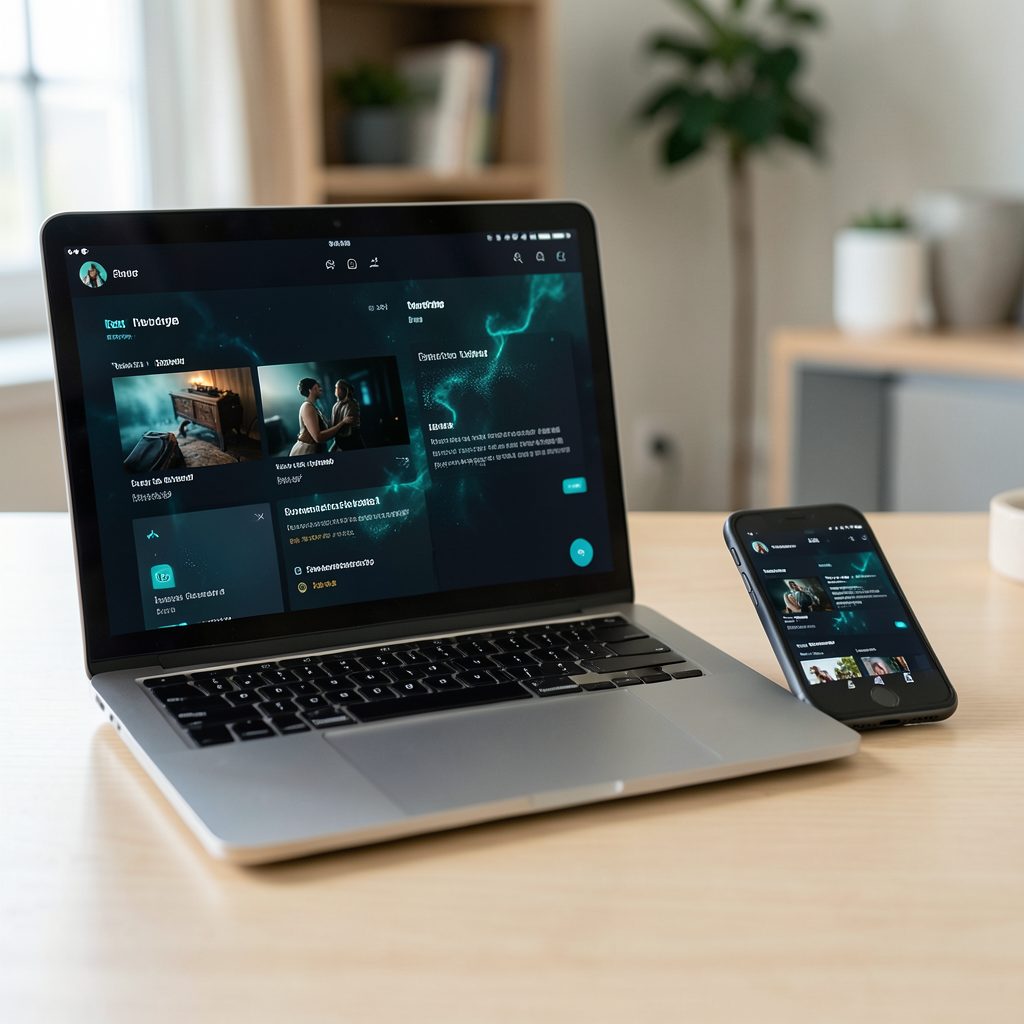
Popcorn Time Vs Kodi With Torrent Addons: Which Is More Reliable
Popcorn Time and Kodi can look similar on a television screen, yet they deliver content through very different workflows. Popcorn Time presents a ready-made catalogue and generally manages torrent discovery, playback, and subtitle selection inside one interface. Kodi is a flexible media centre that becomes a torrent streaming tool only after users install and configure suitable third-party addons.
For viewers in Australia, reliability involves more than whether a film starts quickly. NBN performance, evening congestion, device compatibility, addon maintenance, privacy, and copyright rules all affect the experience. A setup that works smoothly in Melbourne may behave differently on a busy home connection in Brisbane or Perth, particularly when several people are streaming or gaming at once.
How The Two Setups Actually Work
Popcorn Time is designed as an integrated application. A user selects a title, the software locates torrent sources, buffers the chosen file, and often provides options for subtitles, quality, and playback devices. This shorter chain reduces the number of settings that can fail. If the application and its selected fork are maintained properly, the experience feels closer to an ordinary streaming service than to a traditional torrent client.
Kodi is an open media centre rather than a single streaming catalogue. It can play local files, network shares, legitimate online services, and content supplied by addons. Torrent-based addons introduce extra dependencies: the addon must be compatible with the current Kodi version, its provider must be available, and its scraper must return usable sources. A failure at any point can appear as a Kodi playback problem even when the core software is working correctly.
This difference explains why Popcorn Time is often easier for casual viewing, while Kodi suits people who want to organise local media, use multiple sources, or customise the interface. Kodi can be highly reliable when carefully maintained, but it has more moving parts than a dedicated Popcorn Time fork.
Reliability In Everyday Streaming
The most important measure is consistency from selection to playback. Popcorn Time usually offers a straightforward path, but its reliability depends on the particular fork, available peers, subtitle providers, and the health of the torrent source. A popular title may begin quickly because many peers are sharing it, while an older or obscure programme may buffer repeatedly.
Kodi with torrent addons can sometimes find better sources because users may configure several providers. That flexibility can help when one indexer is offline. It can also create the opposite result: outdated addons, broken repositories, expired links, and incompatible dependencies may leave a viewer troubleshooting before every session. Kodi’s broad capability does not automatically make its torrent functions dependable.
Home networking matters in both cases. An NBN connection with strong download performance can still suffer from Wi-Fi interference, router limitations, or upload congestion. In Sydney and Melbourne apartments, crowded wireless channels may affect playback during the evening. Connecting a media device by Ethernet, selecting a less congested Wi-Fi band, and avoiding unnecessary background downloads can improve stability without changing the streaming application.
Addons, Forks, And Maintenance
Popcorn Time forks vary in design, update frequency, source availability, and platform support. A current fork may support Windows, macOS, Android, or Linux, while another may concentrate on mobile devices or smart-TV workarounds. Users should verify the origin of an installer and avoid unofficial packages that bundle aggressive advertising, malware, or unwanted browser extensions. The project name alone does not guarantee that every download is trustworthy.
Kodi’s advantage is its mature core and broad community knowledge. The application itself can remain stable for years, and its settings, skins, libraries, and remote-control options are well documented. Torrent addons are a separate matter. They can stop functioning after a provider changes its API, a repository disappears, or a Kodi update changes compatibility. A working setup therefore needs occasional checks rather than a one-time installation.
Updates should be approached carefully. An automatic upgrade may fix security issues but break an addon or remove a setting that a household relies on. Backing up Kodi’s userdata folder and keeping notes about installed repositories can shorten recovery time. Popcorn Time users should similarly keep only the current, reputable version and remove old installers that might be confused with the active application.
Device Support And Casting
Device compatibility can decide the comparison for Australian households using a mix of smart TVs, laptops, phones, and streaming sticks. Kodi has official or widely supported versions for many operating systems and is especially useful on Android TV devices, computers, and dedicated media boxes. Its interface can be controlled with a remote, although some third-party addons are not designed well for a television screen.
Popcorn Time may be faster to set up on a laptop or Android device, but smart-TV support differs between forks. Apps may not be available through a television manufacturer’s official store, and sideloading can introduce security and usability concerns. Casting may also depend on the app, the TV model, and whether both devices are on the same local network.
For LG television owners, the LG casting guide explains a practical route for sending playback from a compatible device to the TV. Chromecast and AirPlay can be convenient, although casting is not the same as native playback: the source device may need to remain active, and a weak wireless connection can interrupt the stream.
Kodi is generally stronger for a permanent living-room installation because its library, remote controls, and playback settings are built around a media-centre model. Popcorn Time can be more convenient for occasional viewing, especially when a household prefers an uncomplicated catalogue rather than a customised home theatre system.
Privacy, Copyright, And Australian Rules
Torrent streaming involves simultaneous downloading and uploading, which can expose an IP address to other participants in the swarm. A VPN may encrypt traffic between the device and the VPN provider, but it does not make unauthorised sharing lawful, guarantee anonymity, or resolve every buffering problem. Users should examine the provider’s logging policy, Australian server availability, connection speed, and support for the devices they actually use.
Australia’s Copyright Act 1968 applies to online copying and communication of protected material. The fact that a film or episode is available through a search result does not establish that the source is authorised. Rights holders and internet providers have also used Federal Court processes to block access to infringing websites and services. A VPN can affect how a connection appears, but it is not a legal exemption from copyright obligations.
The safest use of either platform is with content the viewer owns, has permission to access, or obtains from an authorised service. Kodi is perfectly legitimate as a media player, and Popcorn Time-style software can be used only where the content source and local rights permit it. Australian viewers should also consider subscription terms, household sharing rules, and whether a file is licensed for their region.
Which Platform Fits Different Homes
Popcorn Time is usually the more reliable choice for someone who wants a simple, search-and-play interface with minimal configuration. It has fewer components between the catalogue and the player, making it easier for a non-technical household member to use. Its weaknesses are dependence on the selected fork, inconsistent device support, and less control over how sources are selected.
Kodi is the better long-term platform for a technically confident user who combines personal media, network storage, authorised streaming services, and carefully managed addons. It can be adapted to a large television, a small bedroom device, or a household server. However, torrent addons make the system more fragile, and maintenance can become a recurring task rather than an occasional inconvenience.
For an apartment in Adelaide with several devices competing for Wi-Fi, the difference may be less visible than expected: both platforms need a stable local network and sensible buffering settings. In regional areas, source availability and ISP routing may matter more than the application’s interface. A family in Canberra that values parental controls and predictable menus may prefer a conventional licensed service alongside Kodi’s local-library features.
Before installing anything, identify the main use case. If the priority is authorised local files and a polished media centre, Kodi has the stronger foundation. If the priority is a short path from title search to playback, Popcorn Time may feel more efficient, provided the chosen source is lawful and the software is obtained safely.
Practical Reliability Checklist
A few preventative decisions can reduce buffering, crashes, and unnecessary exposure. They also make it easier to distinguish an application fault from a network or source problem.
- Use Ethernet for a fixed TV or media box whenever practical, especially during peak evening hours.
- Keep the operating system, media player, and reputable application version current, while checking addon compatibility before major Kodi upgrades.
- Test playback with lawful content and several file qualities to identify whether the problem is bandwidth, subtitles, or a particular source.
- Avoid unknown Popcorn Time installers and Kodi repositories that request excessive permissions or bundle unrelated software.
- Back up Kodi settings and record the repositories or addons that a working setup depends on.
- Review VPN speed, privacy terms, and device support instead of assuming that any VPN will improve streaming.
- Check Australian copyright obligations and use authorised sources for films, television programmes, and live broadcasts.
These steps apply regardless of whether the household uses a laptop connected to a TV, an Android box, Chromecast, AirPlay, or a dedicated media centre. They also preserve a useful troubleshooting order: inspect the source, local network, device, and application before repeatedly reinstalling everything.
For current setup information, platform notes, and related streaming guidance, the Popcorn Time resource provides a starting point. Treat fork and addon information as changeable, since availability and compatibility can shift quickly.
Neither platform is universally dependable. Popcorn Time generally wins on simplicity and quick playback, while Kodi offers broader customisation and stronger support for a structured home media library. In Australia, the most reliable arrangement is the one that combines a stable network, maintained software, compatible hardware, and lawful content sources. Evaluate those factors together before choosing the interface that will serve the household every week.