How to cast Popcorn Time to an LG Smart TV
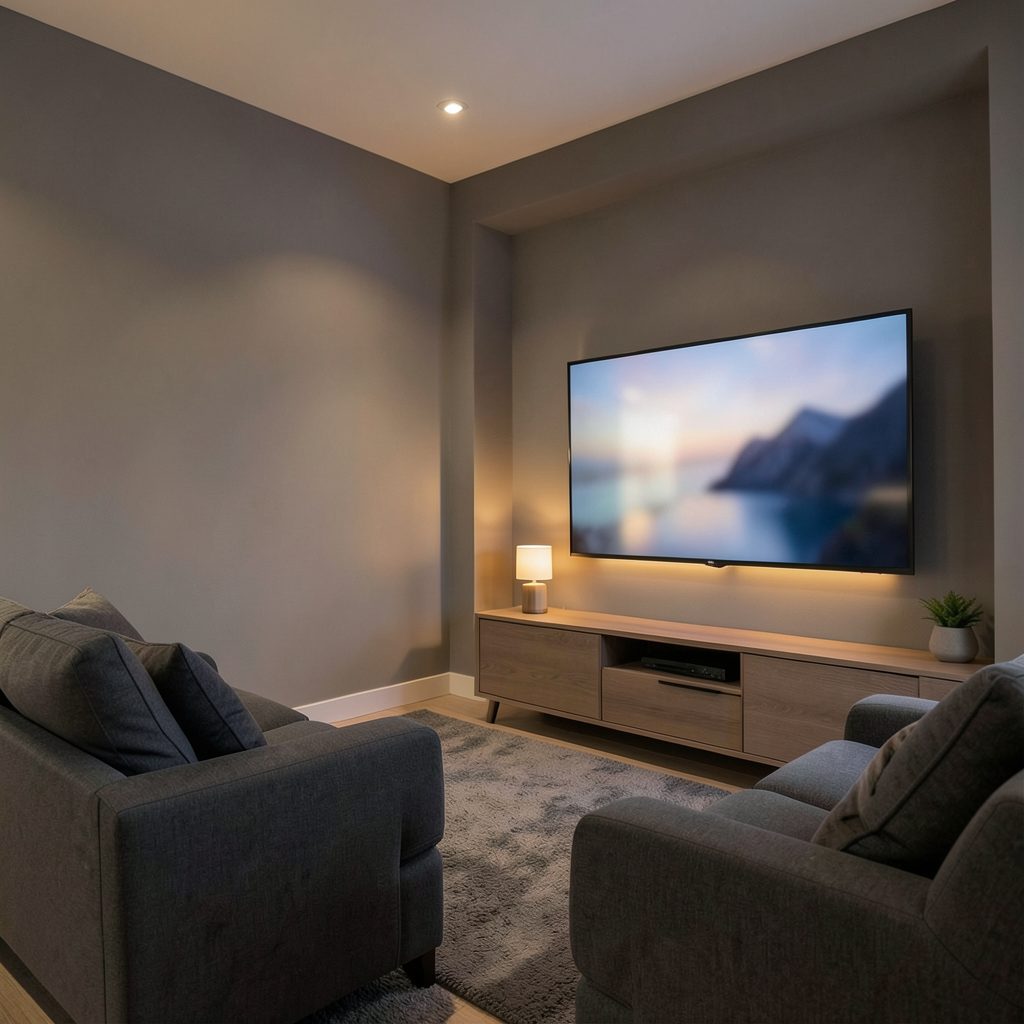
Watching a film on a laptop or phone is convenient, but an LG Smart TV offers a larger screen, better speakers, and a more comfortable viewing position. Since Popcorn Time is generally designed for computers, Android devices, or mobile platforms, getting its video output onto an LG television depends on the connection method and the particular app fork being used.
LG televisions usually run webOS rather than Android TV. That distinction matters because an Android APK cannot normally be installed directly on the television, and many Popcorn Time versions do not provide a native webOS application. Casting, AirPlay, or an HDMI connection is therefore usually more dependable than searching the LG Content Store for a compatible client.
Before streaming, check the copyright rules that apply where you live. Popcorn Time uses peer-to-peer technology, and the legality of watching or sharing a particular title depends on its licensing status and local law. A VPN may improve privacy on a public or shared network, but it does not make unauthorized streaming lawful.
Check the devices and network first
The smoothest setup begins with the same local network. Connect the LG Smart TV and the phone, tablet, or computer running Popcorn Time to the same Wi-Fi router. If one device is using a guest network, mobile data, a VPN server with local access disabled, or a different wireless band isolated by the router, the television may not appear as a casting destination.
Use a 5 GHz Wi-Fi connection when the TV and router are close enough to support it. A 2.4 GHz network generally reaches farther, but it can experience more interference from neighboring networks and household devices. For high-definition playback, stable bandwidth matters more than the maximum speed advertised by the internet provider because torrent-based playback can fluctuate as peers connect and disconnect.
Confirm that the television is connected to the internet and that its software is current. On many LG webOS models, network and software options are available through Settings, then Network or Support. Menu names vary by model year, so the exact path may differ. Restarting the television, streaming device, and router can also clear temporary discovery problems before deeper troubleshooting begins.
Choose a casting method that matches your setup
Chromecast is often the most flexible option for an LG television. Some LG models include Google Cast support, while others require a Chromecast dongle or a Google TV streaming device connected to an HDMI port. Open Popcorn Time on an Android phone, tablet, Chrome browser, or compatible desktop client, select the Cast icon if it is available, and choose the TV or Chromecast device.
Casting is different from duplicating the entire screen. A supported application may send the video stream directly to the Chromecast, allowing the phone to act as a remote control. Screen mirroring instead sends everything displayed on the source device, including notifications and menus. Direct casting usually provides better picture stability, while mirroring is useful when the Popcorn Time fork has no built-in Cast button.
AirPlay is a practical alternative for Apple users. Recent LG Smart TV models commonly support AirPlay 2, although availability depends on the television’s model and region. Enable AirPlay in the LG television’s connected-device or Home Dashboard settings, open Popcorn Time on an iPhone, iPad, or Mac, and select the television from the AirPlay menu. If the player cannot send the video directly, use screen mirroring from the Apple device instead.
Use a computer and HDMI when casting fails
An HDMI cable is usually the most predictable solution. Connect a Windows laptop, MacBook, or small desktop computer to an available HDMI input on the LG TV, switch the television to that input, and start Popcorn Time on the computer. The television functions as a second display, so the application does not need to support Chromecast, AirPlay, or LG webOS.
On Windows, press the display shortcut and choose Duplicate or Extend, depending on whether the same picture should appear on both screens. On macOS, open Displays in System Settings and select mirroring or an extended desktop. Set the computer’s resolution to a format the television handles well, such as 1920×1080, and select the LG TV or HDMI device as the audio output if sound remains on the laptop.
An HDMI connection avoids wireless interference and often gives the lowest delay. It is especially helpful when a title pauses frequently, the cast icon is missing, or the television is too old to support current casting standards. The trade-off is that the computer must remain connected, and playback controls stay on the computer rather than the TV remote.
| Method | What you need | Main advantage | Common limitation |
|---|---|---|---|
| Chromecast | Compatible Chromecast device or built-in Cast support | Convenient remote control and broad Android support | Popcorn Time fork must support casting |
| AirPlay | AirPlay-capable LG TV and Apple device | Simple option for iPhone, iPad, and Mac users | Older TVs may lack AirPlay 2 |
| Screen mirroring | Miracast, AirPlay, or compatible mobile device | Works when direct casting is unavailable | Notifications and device activity may appear |
| HDMI | Computer and HDMI cable | Stable picture, sound, and connection | Requires a nearby computer and cable |
| USB playback | Downloaded, legally obtained media file and USB drive | Does not depend on network quality | Does not provide live app casting |
Prepare Popcorn Time for a stable stream
Use a current version from a source you trust, and verify that it supports the device being used as the sender. General setup information is available in this guide to download Popcorn Time safely, while Android users may need a compatible fork rather than a television-specific application. Avoid unofficial installers that bundle unknown extensions, aggressive advertising, or modified network settings.
The available playback options depend on the fork. Look in the player for Cast, Chromecast, AirPlay, external player, or screen-output controls. Some versions use a three-dot menu, while others show a television-shaped icon near the progress bar. If an external player is supported, VLC or another trusted media player may offer more dependable casting and subtitle controls than the built-in player.
Choose a lower quality when the stream repeatedly buffers. A 1080p source can require a steadier connection than a 720p source, particularly when the content is being received through a peer-to-peer network and then sent across Wi-Fi to the TV. Letting a few seconds of video buffer before starting full-screen playback can also reduce interruptions.
Subtitles deserve attention before casting. Select the subtitle language and size on the source device first, then test a short section. Embedded subtitles are generally more reliable than a separate subtitle overlay during screen mirroring, and some external players handle subtitle encoding more accurately than the built-in Popcorn Time interface.
Connect through Chromecast or AirPlay
For Chromecast, open the compatible Popcorn Time client, start a title, and tap the Cast control. The device list may take several seconds to populate. Select the LG television or attached Chromecast, wait for the connection message, and use the source device to pause, seek, change volume, or stop playback. If the icon appears but no device is listed, close the app completely and reopen it after confirming that both devices share the same network.
For AirPlay, begin playback on the Apple device, open the playback controls, and select the AirPlay symbol. Choose the LG TV, then enter the code displayed on the television if prompted. Mac users can either send the media from a supported player or use Control Center to mirror the Mac screen. Keep the source device unlocked during initial connection, because some apps stop discovery when they are suspended.
The television may show a black screen if the app uses a video format or copy-protection method that the receiving device cannot decode. In that situation, try screen mirroring, a different playback resolution, or HDMI from a computer. Hardware compatibility is often the issue rather than the internet connection.
If a Popcorn Time Android build is needed, check the specific fork’s device support before installing it. The Time4Popcorn download page may be relevant for users evaluating that fork, but compatibility, security, and availability can change. Install only software you can verify, review requested permissions, and remove it if it behaves unexpectedly.
Fix common LG TV casting problems
When the LG television does not appear, disable mobile hotspot mode and check whether the router has AP isolation enabled. This setting prevents wireless devices from communicating with each other, which also blocks Chromecast and AirPlay discovery. A VPN can create a similar problem if it routes local traffic away from the home network. Temporarily disconnecting it can identify whether local device discovery is the cause.
If the connection starts but stops during playback, test the same network with a legal streaming service or a local video file. If every service buffers, improve the Wi-Fi position, use Ethernet for the TV where possible, or reduce network congestion. If only Popcorn Time stops, the issue may be an unavailable source, unstable peers, unsupported encoding, or a problem in that particular fork.
Audio and video that fall out of sync can sometimes be corrected by stopping and restarting the cast session. On a computer, select the LG television as the audio output and confirm that Bluetooth headphones are not still connected. Turning off television sound-processing features temporarily can also help diagnose delay, although the exact options vary between LG models.
A cast session may end when the phone sleeps, the laptop closes its lid, or the source application is forced to stop. Keep the source device charged and prevent aggressive battery optimization from restricting the casting app. For longer films, HDMI is often preferable if wireless sessions repeatedly disconnect.
Keep the viewing setup private and lawful
Torrent-based applications can expose network activity to other participants in the swarm. Use a trusted, clearly documented VPN if privacy is important, and read its logging, jurisdiction, and connection policies before subscribing. Choose a provider that supports the device running Popcorn Time and allows local-network access when casting is required. Remember that encryption and privacy protection do not change copyright obligations.
Avoid entering payment details or personal credentials into unofficial Popcorn Time clones. A television should not require unusual permissions, sideloaded browser extensions, or a separate “activation” fee to receive a cast stream. Keep the LG firmware, phone operating system, browser, and media player updated, and uninstall software that displays suspicious redirects or excessive pop-ups.
For legitimate viewing, use content that is licensed for streaming in your location, public-domain material, or files you have the right to access. Casting technology itself is neutral: Chromecast, AirPlay, HDMI, and screen mirroring can display lawful media as easily as any other video source.
Practical setup recommendations
- Use Chromecast or built-in Google Cast when the Popcorn Time player offers a native Cast button.
- Choose AirPlay for an iPhone, iPad, or Mac paired with a recent AirPlay-capable LG television.
- Keep HDMI available as a fallback for older TVs, unsupported forks, or unstable Wi-Fi.
- Match video quality to the stability of the home network rather than choosing the highest resolution automatically.
- Check copyright requirements and use privacy tools for security, not as a substitute for permission.
Casting from Popcorn Time to an LG Smart TV is usually straightforward once the source device, television, and network are compatible. Start with direct Chromecast or AirPlay, move to screen mirroring if the player lacks native support, and use HDMI when reliability matters most. After confirming the connection with lawful content, test subtitles, audio, and playback quality before settling into a full-length viewing session.