

Popcorn Time on Tizen Smart TVs: Compatibility and Workarounds
Samsung Smart TVs running Tizen are designed around a controlled app ecosystem, which makes them different from Android TV, Google TV, Fire TV, and many Android-based media boxes. That distinction matters when trying to use Popcorn Time, because most versions of the application are built for operating systems that allow sideloading or direct installation of third-party APK files.
The practical result is that Popcorn Time generally does not have a native, official Tizen app. A Samsung television may still display compatible content through casting, screen mirroring, an external streaming device, or an HDMI-connected computer. Each method has different requirements, picture quality considerations, and legal risks, especially when the source involves unauthorised torrent distribution.
Why Tizen Does Not Run Popcorn Time Directly
Tizen uses Samsung’s own operating system and application format rather than Android’s APK package system. A Popcorn Time APK downloaded to a phone, Android TV box, or USB drive cannot simply be opened on a Samsung television. The TV’s app store accepts software developed and packaged for Tizen, and ordinary users do not have the same installation access available on Android devices.
Some older guides suggest enabling developer mode or using Samsung development tools to install custom packages. That process is intended for app testing, not everyday media playback. It can involve registering a developer account, connecting the television to a computer on the same network, and deploying a Tizen web application. A package designed for Android Popcorn Time will still not work, and an unofficial Tizen build may be unstable or unsafe.
There is also a difference between an application being visible in a television’s regional store and being technically compatible. Australian Samsung models may have a different app catalogue from televisions sold in the United States or Europe. Changing the Smart Hub region can affect existing apps, subscriptions, language settings, and account access, so it is rarely a useful fix for this particular problem.
Casting From a Phone, Tablet, or Computer
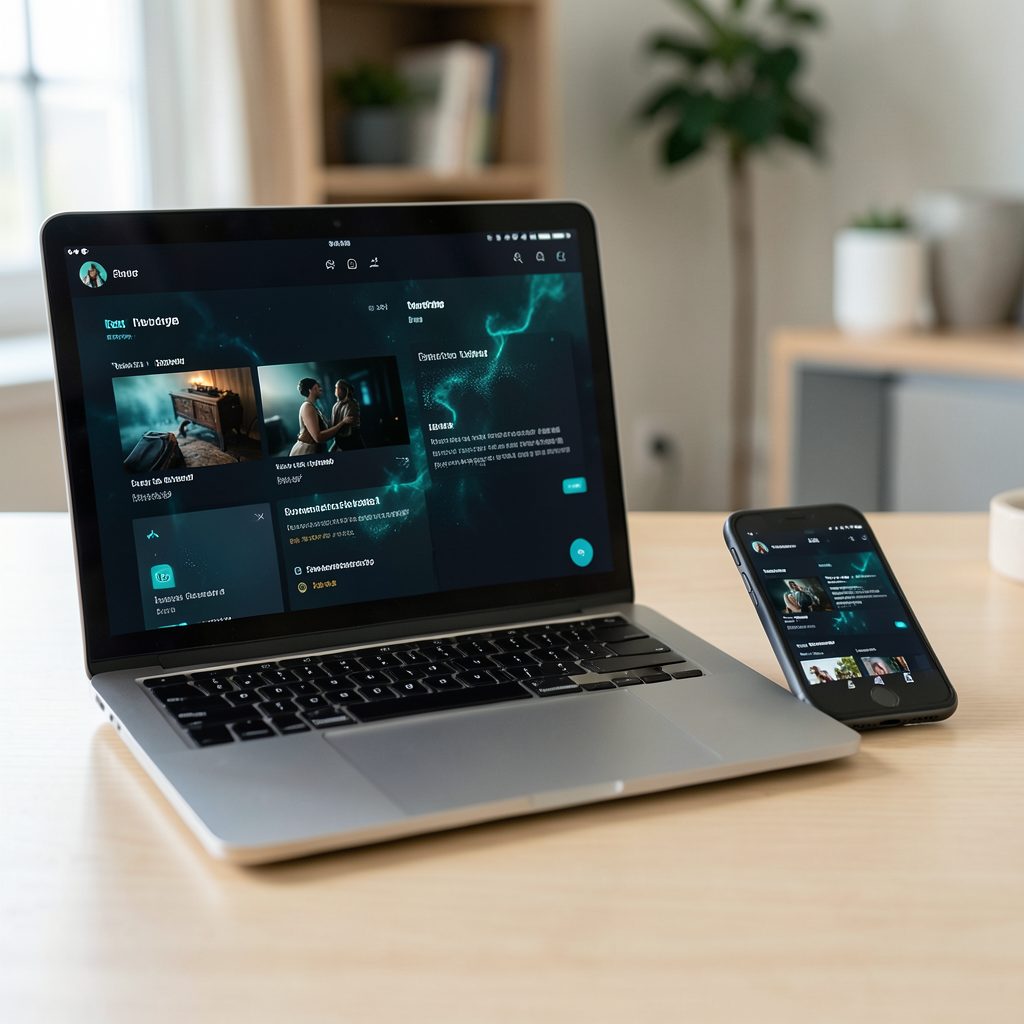
Casting is usually the simplest workaround when the source device can run a compatible application or web player. Samsung TVs may support screen mirroring through a Galaxy phone, while AirPlay 2 is available on many newer models. An iPhone, iPad, Mac, or Windows laptop can therefore act as the playback device, with the television serving as the larger display.
Screen mirroring duplicates the entire device screen, so notifications, incoming calls, and changes in orientation may appear on the TV. Direct casting is cleaner because the television receives a playback stream rather than a live copy of every screen action. Support varies between Popcorn Time forks and devices, and some players expose Chromecast or AirPlay controls while others only offer basic browser playback.
A stable home network makes a noticeable difference. For an Australian household using fixed wireless NBN, mobile broadband, or a crowded Wi-Fi connection in an apartment, buffering can appear even when the TV itself is functioning correctly. Connecting the television or casting device to 5 GHz Wi-Fi, reducing other high-bandwidth activity, or using Ethernet where available can improve reliability.
Using Chromecast, Google TV, or Fire TV
An external streaming device can bypass Tizen’s software limitations. Chromecast with Google TV, many Google TV products, and selected Android TV devices use an operating environment that supports a wider range of media applications. A Fire TV Stick can provide another route, although application availability and sideloading procedures vary by model, region, and software version.
The device should be connected directly to an HDMI port on the Samsung TV and powered from a wall adapter rather than an underpowered USB socket. After selecting the correct HDMI input, the external device handles the application, decoding, subtitles, and network connection. This means the Samsung television is functioning as a screen, not as the platform running Popcorn Time.
Before purchasing hardware, check codec support, resolution limits, remote-control compatibility, and Australian availability. Retailers such as JB Hi-Fi, Officeworks, and Amazon Australia may stock different versions of the same product. Some low-cost generic Android boxes have poor firmware security, intrusive advertising, or no reliable update path, so a well-supported device is generally a safer investment than an unknown box.
Connecting a Laptop or Desktop by HDMI
An HDMI connection is often the most dependable workaround. A Windows laptop, MacBook, or desktop computer can run a compatible media player while the Samsung TV displays the output. HDMI carries both picture and sound, avoids wireless interference, and usually provides better lip-sync performance than screen mirroring.
Set the television to the selected HDMI input, then configure the computer to duplicate or extend its display. A 1080p output is usually sufficient for older Samsung models, while newer 4K sets may accept higher resolutions if the computer, cable, and player support them. If sound remains on the laptop, choose the Samsung television or HDMI output as the audio device in the operating system.
This method is particularly useful when subtitles, audio tracks, or playback controls behave poorly through casting. It also makes it easier to use legitimate desktop services that do not offer a Tizen application. The drawback is convenience: the computer must remain open, awake, and connected, and a wireless keyboard or trackpad may be needed from the sofa.
Media Servers and Local Playback
A local media server can provide a polished alternative to repeatedly mirroring a phone. Plex, Jellyfin, and similar platforms can organise legally acquired video files and make them available through compatible Samsung TV applications. The server may run on a home computer, NAS device, or small always-on system, while the Tizen app handles browsing and playback.
Transcoding capability is important. If the television cannot decode a file’s video codec, audio format, subtitle type, or container, the server may need to convert it during playback. An older laptop may struggle with high-bitrate 4K video, while direct play requires less processing. Wired Ethernet between the server and router is helpful for large files, particularly in homes where Wi-Fi coverage drops through brick walls.
This approach is separate from the source of the files. A media server does not make unauthorised content lawful, and storing or sharing copyrighted films without permission can create legal problems. It works well for personal recordings, public-domain films, purchased downloads that permit local playback, and content from creators who grant the necessary rights.
Security, Privacy, and Australian Legal Considerations
Popcorn Time forks are not interchangeable. Some have stopped receiving updates, some redirect users to advertising or questionable download pages, and others bundle modified installers. A Samsung TV may be protected from direct APK installation, but the phone, computer, or streaming box used as the source can still be exposed to malware, credential theft, and unwanted background software. Avoid unofficial “Tizen Popcorn Time” packages that request broad permissions or ask for payment details.
Australian copyright law does not generally create a blanket exception for streaming through an application. If a service supplies films or episodes through unauthorised torrent sources, watching or downloading that material may infringe copyright. Rights holders have used copyright enforcement measures in Australia, including court-approved website blocking and notices connected with unauthorised distribution. A VPN can encrypt traffic between a device and the VPN provider, but it does not turn infringing activity into permitted activity or guarantee anonymity.
A VPN may still have legitimate privacy uses when travelling, using public Wi-Fi at a hotel in Cairns or a café in Melbourne, or protecting traffic from local network observers. Choose a provider with clear data-handling policies, modern protocols, and servers that perform reliably in Australia. Be cautious of free VPNs, which may impose data limits, inject advertising, or collect extensive usage information.
For people comparing services and devices, this guide to streaming alternatives can help place Popcorn Time alongside lawful platforms and other media options. Services such as ABC iview, SBS On Demand, 7plus, 9Now, and 10 play are especially relevant to Australian viewers, although catalogues and availability change over time. Subscription platforms may also differ by state only in billing or network conditions, while sports and broadcast rights can vary nationwide.
Choosing the Most Practical Setup
For occasional viewing, AirPlay or Galaxy screen mirroring is usually the least expensive route. It requires no additional box, but performance depends on the phone, television model, app support, and home Wi-Fi. Keep the phone plugged in during a long film and enable a do-not-disturb mode to prevent interruptions.
For regular use, an external Google TV, Chromecast, or Fire TV device offers a more consistent interface than relying on Tizen workarounds. It is easier to replace or update a streaming stick than to modify the television’s firmware. An HDMI-connected laptop remains the strongest option when a particular player, subtitle format, or browser-based service is not supported by the TV.
A local Plex or Jellyfin setup suits households with a sizeable collection of permitted media and several screens. It can serve a Samsung TV in Brisbane, a tablet in Adelaide, and a laptop while travelling, provided the server and network are configured correctly. Families should also check parental controls, separate user profiles, and the privacy settings of every application involved.
The key point is that Tizen compatibility is an operating-system issue, not a fault with the Samsung panel. There is no dependable native Popcorn Time installation for most Tizen televisions, but casting, external hardware, HDMI, and lawful media servers cover the practical use cases. Check the source, app permissions, network conditions, and copyright status before pressing play, then select the setup that best matches the household’s devices and viewing habits.
Check the exact Samsung model, Tizen version, casting support, and HDMI specifications before buying extra hardware. Keep the television and source device updated, use reputable applications, and rely on licensed or otherwise authorised content for everyday viewing. With those safeguards in place, a Tizen TV can remain a capable centre for streaming, local playback, and multi-device entertainment without forcing an unsupported app onto the television.