


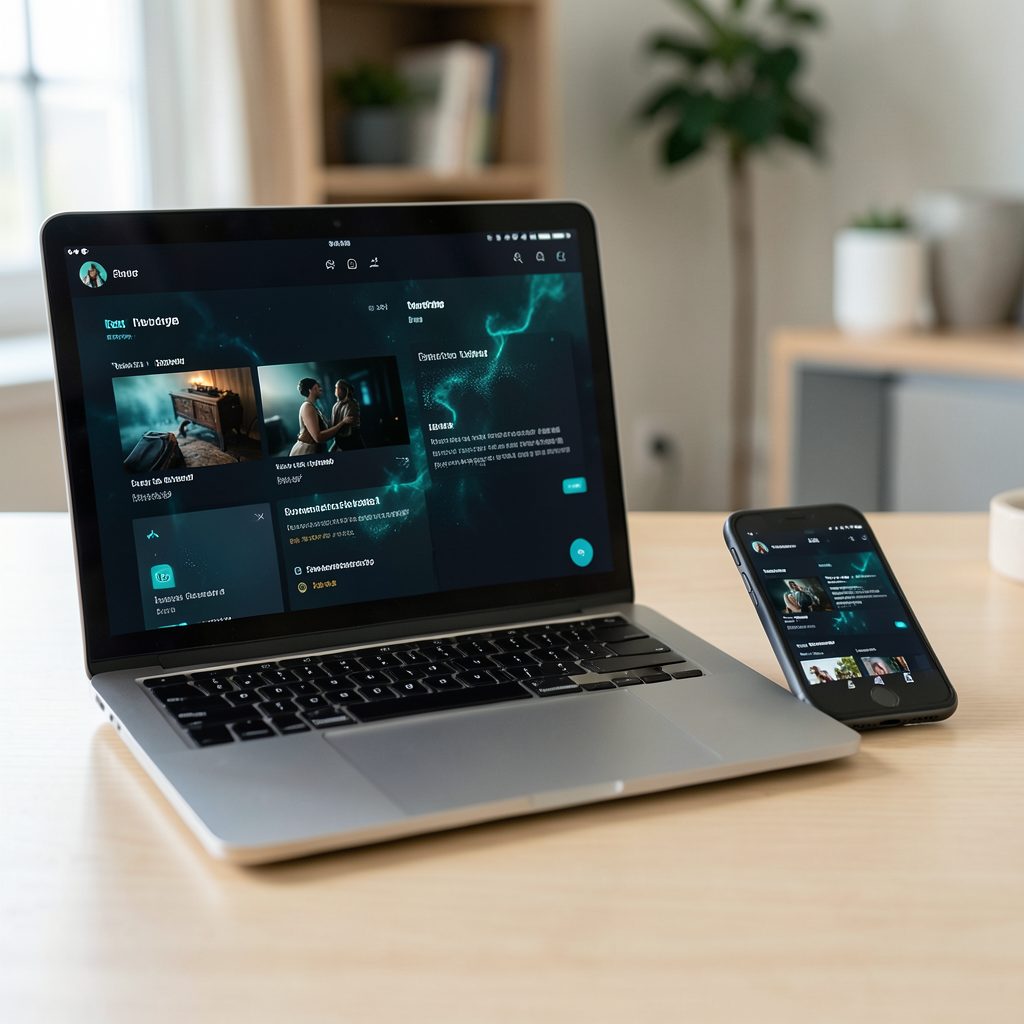
Popcorn Time and the alternatives TorrentFreak highlights
Popcorn Time became widely known for presenting torrent-based movies and television shows through a streaming-style interface. Instead of downloading a video file first and opening it in a separate media player, users could browse a catalog, select a title, and begin playback while peer-to-peer data was retrieved in the background.
That convenience is also the source of its main complications. Availability depends on torrent health, playback quality can change from one title to another, and the legal status of a stream depends on the content, the source, and the laws where the viewer lives. Different Popcorn Time forks may also behave differently, use separate catalogs, or carry varying levels of maintenance and security.
TorrentFreak has regularly covered alternatives that take different approaches to online viewing. Some are torrent-oriented discovery tools, while others focus on personal media libraries, legitimate streaming services, or flexible playback across many devices. Comparing these choices requires looking beyond appearance and considering reliability, privacy, ownership, and long-term support.
How the services differ at a basic level
Popcorn Time is designed around immediacy. A viewer chooses a film or episode from an integrated interface, and the application usually attempts to locate torrent sources automatically. Subtitles, quality settings, and casting options may be included depending on the fork and platform. This creates a television-like experience, but it depends heavily on the availability of active peers.
Stremio, one of the alternatives frequently discussed in technology and file-sharing coverage, also provides a unified interface, but its content comes through add-ons. That separation can make the application more adaptable, since users can connect official services, free platforms, or third-party sources. The add-on model also means that the experience varies according to which extensions are installed and maintained.
Kodi takes a different route. It is primarily a media-center platform rather than a built-in catalog of films and shows. Users can play files stored on a computer, network drive, or media server and can add legitimate services through supported extensions. Plex and Jellyfin are more focused on organizing and streaming a personal collection, with Jellyfin offering an open-source server model and Plex providing a polished hosted ecosystem with optional subscription features.
Convenience versus reliability
The main appeal of Popcorn Time is the low number of steps between opening the application and watching something. There is no need to organize a personal library, configure a server, or switch between several streaming subscriptions. For users who value a simple catalog and instant playback, that design remains attractive.
The trade-off is that convenience can conceal technical dependencies. A popular release may have many seeders and start quickly, while an older or less common title may have too few peers to play smoothly. The application may display a title even when its underlying torrent is inactive. In that situation, the problem is not necessarily the device or internet connection; the source itself may be unavailable.
When a selected movie or episode does not start, the no-seeds troubleshooting guide explains practical checks for identifying whether the issue comes from the torrent, the selected quality, or the application. This distinction matters because repeatedly changing network settings will not revive a dead swarm.
Stremio can be more dependable when an official provider or stable add-on supplies the stream, while Plex and Jellyfin are usually predictable once a personal library and server are working. Their setup takes longer, but the viewer controls the source files and is less exposed to sudden changes in public torrent availability.
Feature comparison at a glance
The best choice depends on whether the priority is instant discovery, personal ownership, legitimate access, or device flexibility. Popcorn Time emphasizes a ready-made browsing experience. TorrentFreak-covered alternatives tend to divide that same experience into more specialized tools, each with a clearer purpose.
| Option | Main model | Strengths | Common limitations | Best suited to |
|---|---|---|---|---|
| Popcorn Time | Torrent-based streaming interface | Fast discovery, simple browsing, subtitles and casting on some forks | Unstable sources, variable quality, legal uncertainty, fork security concerns | Users seeking a straightforward interface and who understand the risks |
| Stremio | Add-on-based media hub | Flexible catalog, broad integrations, cross-platform support | Add-on quality varies; setup and source legality require attention | Viewers who want one interface for several services |
| Kodi | Customizable media center | Local playback, extensions, network storage support | Configuration can be complex; add-ons need careful vetting | Technical users managing varied media sources |
| Plex | Personal server and streaming platform | Polished apps, library organization, remote playback | Server setup, account features, and some paid functions | Households with a personal collection |
| Jellyfin | Open-source personal media server | Strong ownership and privacy focus, no mandatory premium tier | More hands-on administration and fewer turnkey conveniences | Users comfortable managing their own server |
| Licensed streaming services | Subscription, rental, or ad-supported access | Stable playback, clear rights, customer support | Separate catalogs and recurring costs | Viewers prioritizing reliability and legal simplicity |
Device support and playback features
Popcorn Time forks may support Windows, macOS, Linux, Android, Android TV, or other platforms, but support is not uniform. A download page may list a platform while the current build remains outdated or lacks features available elsewhere. Users should check the reputation and maintenance history of a fork before installing it, particularly when an application requests unusual permissions.
Chromecast and AirPlay can make a desktop or mobile application more convenient in the living room. Still, casting is not identical to native playback. Some implementations send a compatible stream directly to the television, while others mirror the device screen or depend on the phone remaining active. Subtitle handling, audio formats, and resolution can also differ between devices.
Stremio, Kodi, Plex, and Jellyfin generally provide broader options for multi-device playback because they are built around clients, servers, or integrations. Plex and Jellyfin are especially useful when the same library needs to be available on a television, phone, tablet, and browser. A local media server can also reduce dependence on public peers and make playback behavior easier to diagnose.
Buffering requires similar care. A fast internet package cannot compensate for a weak torrent swarm, overloaded provider, incompatible codec, or poorly configured player. If Popcorn Time remains stuck while loading, these buffering fixes can help separate network limitations from source and application problems.
Privacy, security, and legal boundaries
Torrent-based streaming exposes more than a conventional video player does. In a peer-to-peer transfer, the application may communicate with other participants in the swarm, and the visible network activity can differ from ordinary on-demand streaming. A VPN may reduce exposure of an internet connection to peers and help on public Wi-Fi, but it does not make copyright infringement lawful or guarantee anonymity.
VPN performance also varies. A provider may reduce speed, block torrent traffic, retain connection records, or operate under laws that affect data requests. Users should examine the provider’s privacy policy, technical limits, and jurisdiction instead of treating a VPN as a universal safety feature. Free VPN applications can introduce advertising, tracking, or questionable data practices.
Security is another dividing line between Popcorn Time and its alternatives. The name has been used by multiple independent projects and forks, some of which disappear and return under different maintainers. Fake download sites, modified installers, bundled adware, and malicious clones are realistic concerns. Verifying downloads, scanning installers, keeping operating systems updated, and avoiding unknown mirrors are sensible precautions.
Licensed streaming platforms and personal media servers simplify the rights question when the viewer owns the files or uses authorized providers. Kodi, Stremio, Plex, and Jellyfin are not automatically legal or illegal tools; their status depends on the content sources and add-ons involved. The software should therefore be judged separately from the material accessed through it.
Which option fits different viewing habits
Popcorn Time makes the most sense to someone who values a familiar catalog-style interface and accepts that availability may change from title to title. It can be convenient for exploring a broad range of media, but it is a poor match for viewers who need guaranteed playback, formal customer support, or a stable rights framework.
Stremio is a stronger fit for viewers who want a central dashboard for several legitimate services and are comfortable reviewing add-ons carefully. It offers more modularity than Popcorn Time, although that flexibility places greater responsibility on the user. Kodi suits people who enjoy customization and already have local or network-based media.
Plex and Jellyfin reward a longer-term approach. After the server is configured and the library is organized, playback is typically more consistent and predictable. Jellyfin appeals to users who prefer open-source software and control over their data, while Plex may be easier for households that value polished applications and broad device support.
For people who simply want films and television with minimal technical involvement, licensed streaming, rental, library lending, and ad-supported platforms remain the least complicated route. Their catalogs may be fragmented, but stable playback, account recovery, parental controls, and clearer licensing can outweigh the convenience of a single unofficial catalog.
Practical ways to choose carefully
A short evaluation before installing or switching applications can prevent many avoidable problems. Consider these points:
- Check whether the software is actively maintained and obtain it from a credible project source rather than an unfamiliar download mirror.
- Decide whether you need torrent discovery, a personal media server, an add-on hub, or straightforward licensed playback.
- Confirm support for your television, casting device, subtitles, audio system, and preferred operating system.
- Review privacy policies, permissions, VPN limitations, and local copyright rules before using peer-to-peer features.
- Test one or two ordinary titles before building your entire viewing routine around a new application.
A more sustainable streaming decision
Popcorn Time remains distinctive because it compresses torrent discovery and video playback into a single interface. That simplicity explains its popularity, while the dependence on public sources, changing forks, and uncertain availability explains why many viewers eventually investigate other options. TorrentFreak’s recommended alternatives are best understood as different solutions rather than identical replacements.
Stremio and Kodi offer flexibility, Plex and Jellyfin offer control over a personal library, and licensed services offer the clearest path to dependable, authorized viewing. The right choice depends on the balance between convenience, device support, privacy, cost, and responsibility for managing content sources.
Review the application, source, and network setup as separate decisions before making a change. Choose a maintained tool, use content you are entitled to access, and test playback on the devices you actually use so your streaming setup is practical as well as convenient.