
Stream Popcorn Time on a Projector Using a Media Box
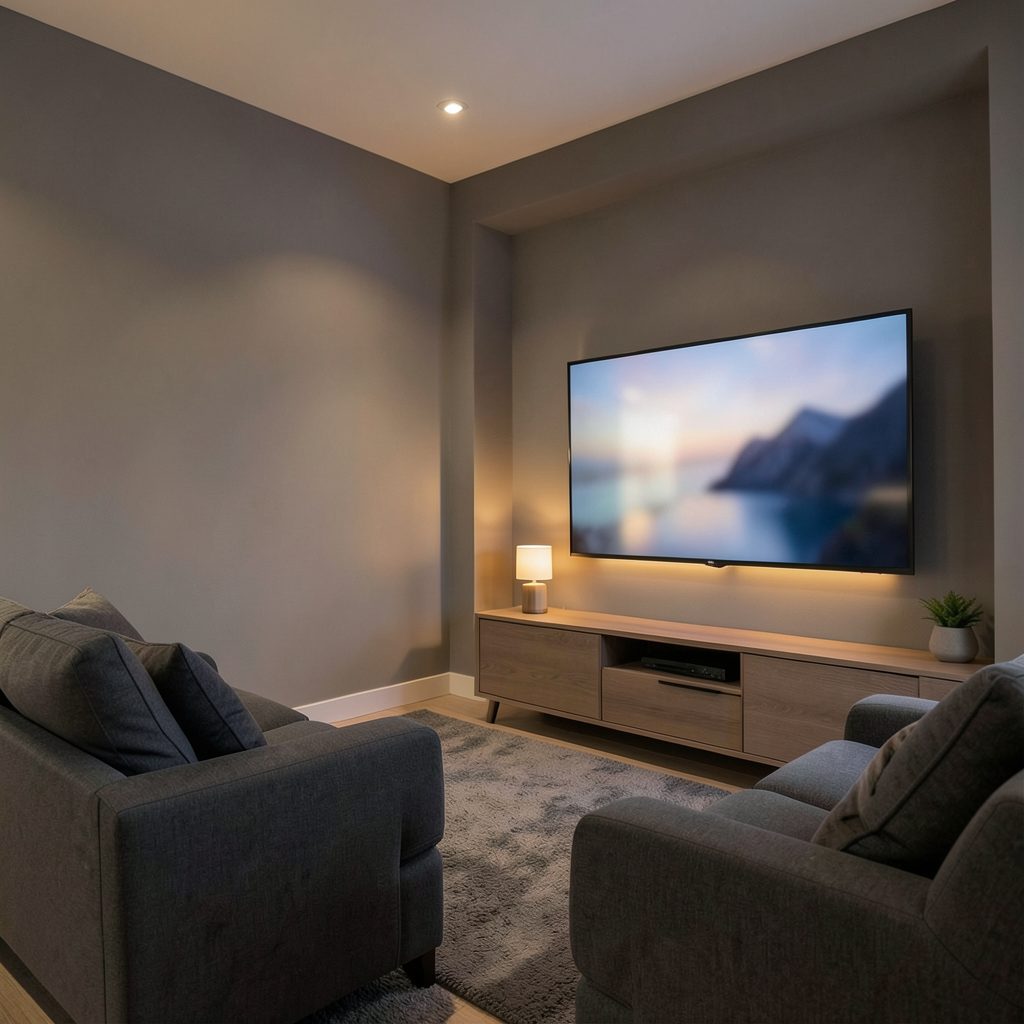
A projector can turn a lounge room, backyard, or holiday rental into a cinema, while a media box provides the processing power and apps needed for smooth playback. For Popcorn Time users, this setup can be more convenient than connecting a laptop directly, particularly when the projector is ceiling-mounted or positioned several metres from the viewing area.
The experience depends on three things: a compatible media box, a reliable HDMI connection, and a stable home network. Australian households may be dealing with uneven NBN performance, compact apartment layouts in Sydney or Melbourne, or a projector used outdoors during summer. Planning for those conditions helps prevent buffering, audio delays, and awkward cable runs.
Choose The Right Media Box And Projector
Start by checking the projector’s inputs and maximum resolution. Most modern projectors include HDMI, while older models may require an HDMI-to-VGA converter. Conversion can create problems with copy protection, sound, or image quality, so a direct HDMI connection is preferable whenever possible. A 1080p projector remains suitable for most home cinemas, while a 4K model needs a media box capable of outputting 4K at the correct refresh rate.
The media box should have a current operating system, dual-band Wi-Fi, and enough processing capacity for high-bitrate video. Android TV and Google TV devices are widely available in Australia, including through retailers such as JB Hi-Fi, Harvey Norman, and Officeworks. Apple TV offers strong AirPlay support, although app availability and installation options differ from Android-based hardware.
Check the audio path before buying anything. If the projector has a weak built-in speaker, connect the media box or projector to a soundbar, AV receiver, or powered speakers. Optical audio, HDMI ARC, Bluetooth, and 3.5 mm outputs are common options, but compatibility varies. A Bluetooth speaker may be convenient for a casual screening, yet wired audio usually avoids lip-sync problems.
Install A Suitable App Safely
Popcorn Time has existed in several versions and forks, so the name does not identify one single, consistently maintained application. Download pages can disappear, domains can change, and unofficial packages may contain aggressive advertising or malicious software. Use a reputable information source for current fork coverage, platform details, and safety notes; the latest Popcorn Time developments can help explain why compatibility changes over time.
Avoid installing random APK files from pop-up advertisements, file-hosting pages, or shortened links shared in comment sections. Before installation, check the publisher, release notes, permissions, and community reports. An application that requests unrelated access to contacts, SMS messages, or accessibility controls deserves particular caution. Keep Google Play Protect or the equivalent device security feature enabled.
Legal status also matters. Popcorn Time commonly uses torrent-based streaming, which may involve downloading or sharing copyrighted material while it plays. Australian copyright law can apply even when a file is viewed rather than permanently saved. Use the software only with content you are authorised to access, and check the terms of any service or media source connected to the application.
A VPN can encrypt traffic between the media box and the VPN provider, which may be useful on shared networks or public Wi-Fi. It does not make copyright infringement lawful, and some VPNs reduce speed enough to cause buffering. If privacy is important, select a reputable provider with a clear logging policy, suitable Australian or nearby servers, and support for the media box platform.
Connect The Media Box To The Projector
Place the media box where its Wi-Fi signal is strong and where the HDMI cable can reach the projector without being stretched. Connect HDMI from the box to the projector, then select the matching HDMI input with the projector remote. If there is no image, test another cable, confirm the projector input, and restart both devices with the HDMI connection already attached.
Use the media box settings to select a resolution supported by the projector. Automatic mode is a good starting point, but manual selection may be needed with older projectors. A 1080p output can be more reliable than forcing a 4K signal through a budget projector or a long, low-quality HDMI cable. For long cable runs across a room, use a certified high-speed cable or an active HDMI solution.
Network setup is equally important. A 5 GHz Wi-Fi connection generally provides better local performance than congested 2.4 GHz Wi-Fi, provided the projector room is not too far from the router. Thick walls, metal cabinetry, and several rooms between the router and device can weaken the signal. In a Brisbane or Perth home with a detached media room, a mesh node or wired Ethernet connection may be more dependable.
Run a speed test from the media box rather than from a phone sitting beside the router. Video quality can vary considerably between sources, and torrent-based playback depends on available peers as well as household bandwidth. Pause cloud backups, game downloads, and other high-volume activity during playback if the connection is marginal.
Adjust Video, Audio, And Casting Settings
Open the media box display settings and disable unnecessary overscan if the projector crops subtitles or cuts off menu edges. Set the correct aspect ratio, usually 16:9 for modern films and television programmes. Older content may contain black bars, which are normal and should not be removed by stretching the image.
For smooth motion, match the output refresh rate to the content where possible. Many films use a 24-frame-per-second format, while television content may use 25 or 30 frames per second. Some devices offer automatic frame-rate matching. Enable it if it works reliably; otherwise, a fixed 50 Hz or 60 Hz setting may be more stable for mixed Australian content and menus.
Audio synchronisation can be corrected in the media player or soundbar settings. If voices arrive before the picture, add a small audio delay. If the image arrives first, reduce the delay. Bluetooth speakers often introduce additional latency, so HDMI ARC, optical audio, or a direct wired connection is preferable for dialogue-heavy films.
Chromecast and AirPlay can be useful when the application supports them, but casting is not always the same as mirroring. A Chromecast-compatible media box may receive a stream directly, allowing the phone to act as a remote. AirPlay mirroring from an iPhone or iPad can display the whole screen, although some apps restrict playback or show a blank image. Test casting before inviting friends over for a screening.
Prepare The Room For Reliable Viewing
Projector placement affects picture quality more than many streaming settings. Keep the lens square to the screen where possible, use keystone correction sparingly, and focus the image after the projector has warmed up. Excessive digital keystone correction softens the picture. A plain white wall can work, but a proper screen gives more consistent contrast and fewer surface imperfections.
Control ambient light, especially during daytime sessions. Australian sunlight can remain strong well into the evening during summer, so block nearby windows with curtains or blinds. For backyard movie nights, place the projector under cover and protect the media box from dew, dust, and sudden weather changes. Outdoor power boards and extension leads should be rated for the conditions and positioned away from foot traffic.
Keep ventilation openings clear on both the projector and media box. Do not place the box on top of a hot projector or inside a closed cabinet. Dust is a practical concern in dry areas such as Adelaide or inland New South Wales, where blocked vents can lead to overheating and fan noise. Clean filters according to the projector manufacturer’s instructions.
A simple remote-control arrangement makes the setup easier for everyone. Pair the media box remote, projector remote, and sound system before the screening, then label HDMI inputs if several devices are connected. HDMI-CEC may allow one remote to control power and volume, but the feature can behave differently across brands. Keep a spare HDMI cable and the original remotes nearby when troubleshooting.
Practical Setup Recommendations
A dependable media-box projector system comes from small checks completed before playback rather than emergency adjustments after the film has started. Verify the source, network, power, and audio chain separately. If a problem appears, change one setting at a time so it is clear which adjustment fixed it.
Use the following checklist for a safer and more consistent setup:
- Choose a media box with current software, dual-band Wi-Fi, adequate storage, and a processor suited to high-definition playback.
- Connect the box directly to the projector through HDMI before adding splitters, converters, or long cable runs.
- Test the network from the media box and use Ethernet or a mesh Wi-Fi point when the projector is far from the router.
- Confirm that the application and media source are legitimate for the content being accessed, and avoid suspicious third-party APK files.
- Match resolution, aspect ratio, refresh rate, and audio delay to the projector, sound system, and programme.
- Test Chromecast or AirPlay in advance if guests will be casting from phones, tablets, or laptops.
- Keep ventilation clear, protect outdoor equipment from moisture, and store spare cables with the projector.
Before a movie night, start the projector, media box, and sound system at least 15 minutes early. Check the opening minutes of the selected content, subtitle size, audio balance, and network stability. This is especially worthwhile when using a temporary setup at a holiday house, a community hall, or a backyard in regional Australia.
If playback stops, first check whether the source is still available rather than immediately changing every device setting. Restart the application, test another authorised source, and inspect the Wi-Fi connection. Persistent buffering may indicate limited peers, congestion, or a problem with the particular fork rather than a fault in the projector.
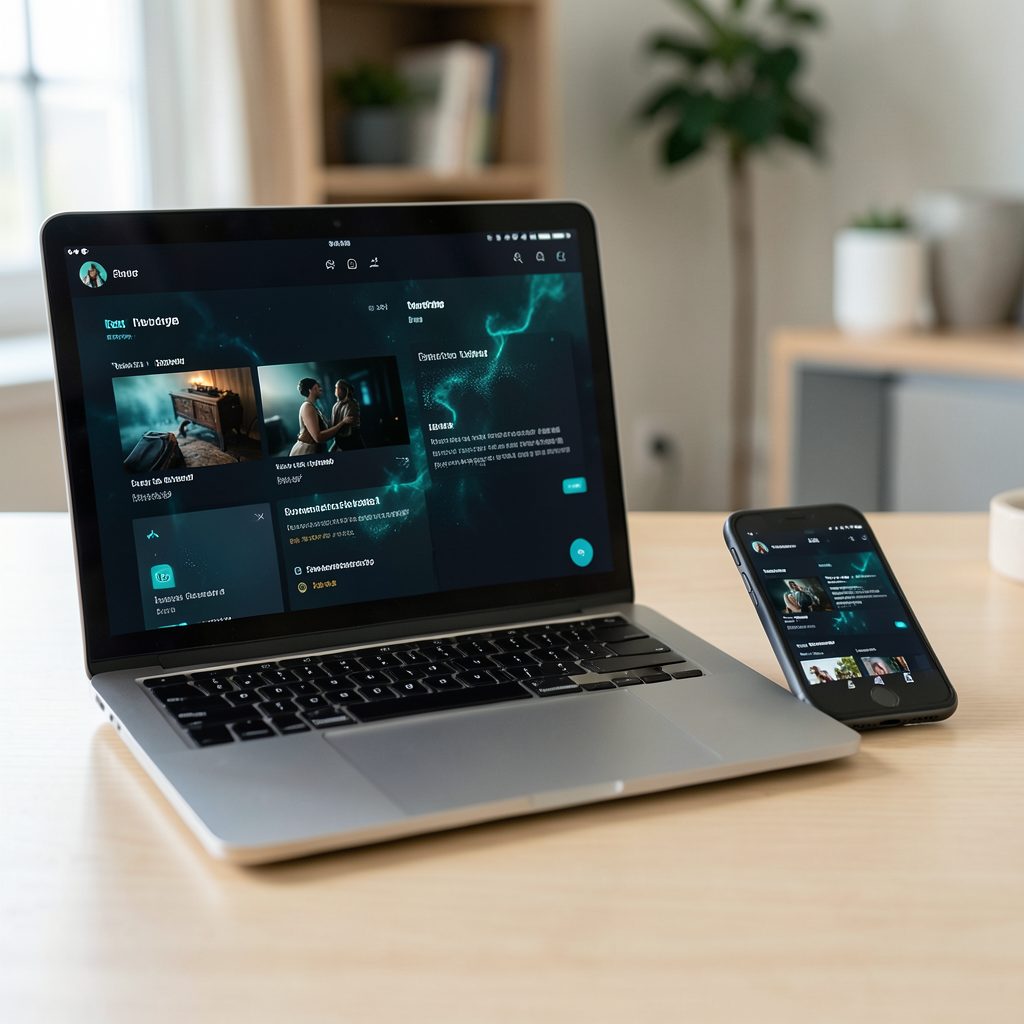
Set up the equipment with lawful sources and reliable hardware, then save the working display and audio settings. Once the HDMI path, network connection, and room conditions are tested, the media box can provide a straightforward large-screen experience without leaving a laptop balanced beside the projector.