


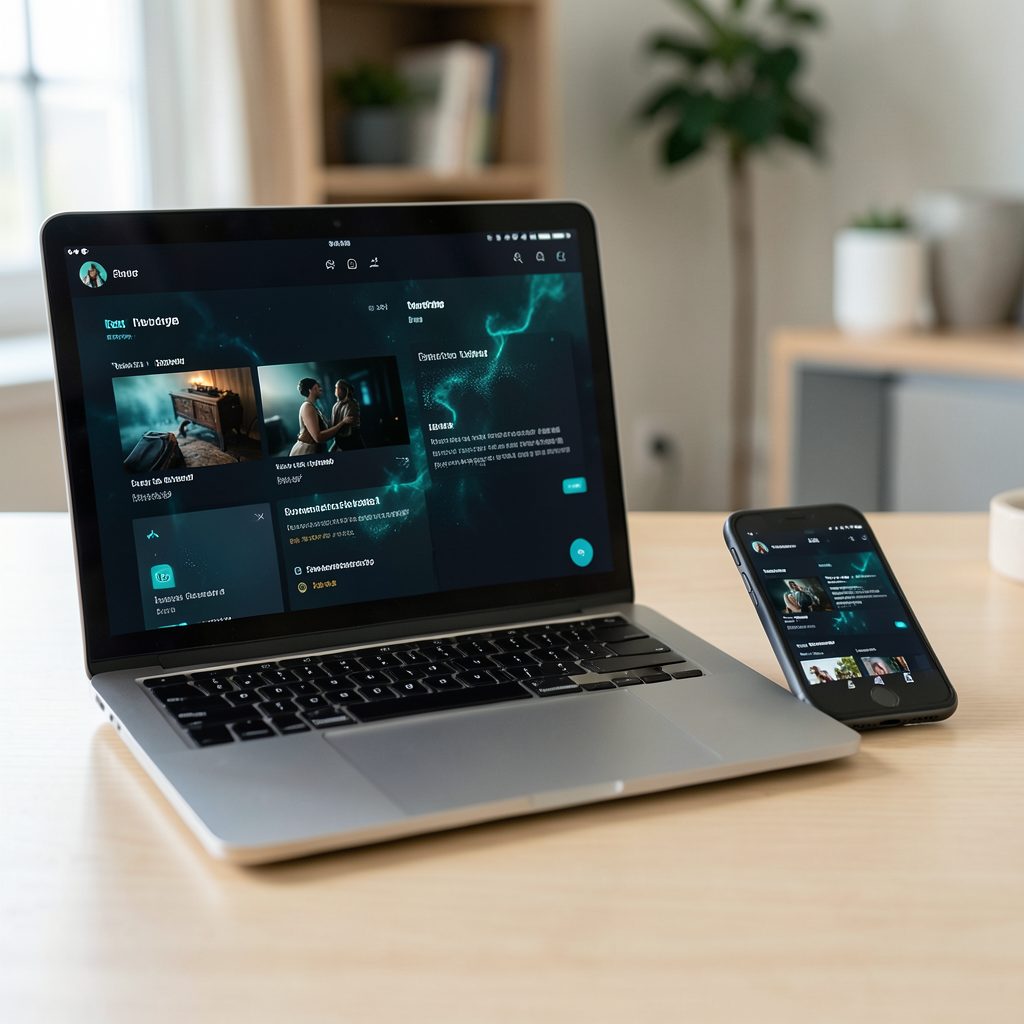
The Future Of Popcorn Time And What The Next Year May Bring
Popcorn Time occupies an unusual place in the streaming landscape. It is associated with a simple, television-like interface, torrent-based playback, and broad access to films and shows, yet its experience depends heavily on software forks, available peers, device support, and local law. That combination makes its future difficult to predict through a single official roadmap.
Over the next year, users are likely to see a mixture of gradual improvements and continued uncertainty. Development may focus less on dramatic redesigns and more on reliability, compatibility, privacy controls, subtitle handling, and smoother playback across modern devices. At the same time, legal and security concerns will remain central to any responsible discussion of the application.
The most useful way to assess what comes next is to look at the forces shaping Popcorn Time and similar applications: changing operating systems, streaming hardware, network conditions, content availability, and enforcement practices. These factors will determine whether the platform remains a practical tool for some users or becomes increasingly fragmented.
Forks Will Shape The Platform’s Direction
Popcorn Time is not a single service with one universally maintained codebase. Different forks can use separate domains, repositories, catalogs, release schedules, and technical approaches. As a result, the future of Popcorn Time will probably be defined by which projects continue receiving updates rather than by one centralized product announcement.
Active forks may concentrate on fixing broken metadata sources, improving torrent discovery, updating embedded players, and removing outdated dependencies. Projects that fail to maintain their catalog services or certificate configuration can become unreliable even when the application itself still opens. This creates a noticeable divide between a polished current build and an abandoned version carrying the Popcorn Time name.
Users should therefore expect more variation between installations. One fork may offer stronger subtitle support, while another may perform better on Android TV or desktop systems. Downloading an application solely because it appears in search results will become increasingly risky, particularly when unofficial mirrors distribute modified packages or misleading installers.
Playback And Device Compatibility Will Improve Unevenly
The next phase of development is likely to prioritize playback stability. Buffering controls, adaptive torrent selection, subtitle synchronization, audio track selection, and better recovery from interrupted connections can make a larger practical difference than visual redesigns. These improvements are especially important for viewers using older laptops, budget streaming boxes, or slower home networks.
Hardware diversity will remain a challenge. A current desktop can handle video decoding that strains an older Android phone, while a television may require a separate casting method altogether. Developers who optimize memory use, cache behavior, and codec compatibility will have a better chance of keeping their forks usable on low-powered equipment. Practical configuration advice, such as this low-end settings guide, may become more valuable as applications add features without reducing hardware requirements.
Chromecast, AirPlay, and local network playback should continue to influence user expectations. Viewers increasingly want to begin watching on one device and move playback to a larger screen without rebuilding the session. Reliable casting requires more than a button in the interface: the sender and receiver must agree on codecs, subtitles, network discovery, and playback permissions.
Privacy And Security Will Become More Visible
Torrent-based streaming exposes users to risks that traditional subscription platforms generally manage behind centralized infrastructure. A peer-to-peer connection can reveal an IP address to other participants, and an unverified application build may contain unwanted advertising, tracking code, or malicious modifications. These concerns are likely to receive more attention as operating systems strengthen application permissions and security warnings.
VPN use will remain part of the conversation, but it should not be treated as a universal shield. A VPN can route traffic through another server and reduce direct exposure of a home IP address to peers, yet its protection depends on the provider’s policies, technical configuration, and jurisdiction. It does not make copyright infringement lawful, prevent malware in an installer, or guarantee that every activity is private.
Future forks may add clearer privacy settings, connection diagnostics, and warnings about insecure sources. They may also provide more transparent release notes and signed packages to help users distinguish authentic builds from repackaged software. Such changes would improve trust, although users would still need to verify downloads and examine permissions before installation.
| Area | Likely Direction | What Users Should Watch |
|---|---|---|
| Application updates | Smaller, frequent maintenance releases | Clear changelogs and credible distribution channels |
| Playback | Better buffering and codec handling | Stable performance on older hardware |
| Casting | Broader Chromecast and AirPlay compatibility | Subtitle and audio support during casting |
| Privacy | More visible connection and permission controls | Transparent VPN guidance and minimal data collection |
| Content discovery | Changes to catalogs and metadata sources | Broken listings, missing artwork, and regional gaps |
| Legal exposure | Continued variation by location | Local copyright rules and enforcement practices |
Content Discovery May Be Less Consistent
A streaming interface can appear complete while its underlying sources change constantly. Metadata providers may alter access rules, torrent indexes may disappear, and individual releases can lose seeders. These changes affect search results, artwork, episode ordering, subtitles, and the ability to start playback at all.
Over the next year, applications may rely more heavily on multiple content sources or community-maintained databases. That could reduce downtime when one provider fails, but it may also make results less predictable. Duplicate releases, inaccurate descriptions, and links to poor-quality files can increase when discovery systems prioritize availability over editorial accuracy.
Regional differences will matter as well. A title visible in one country may be absent elsewhere because of catalog restrictions, local blocking, or differences in indexing. Users should avoid assuming that a search result proves the content is authorized or legally available in their location. For legitimate viewing, official services and licensed digital stores remain the clearest route.
Legal Pressure Will Affect Long-Term Availability
The legal outlook is one of the strongest forces that could shape Popcorn Time’s next year. Copyright holders have historically targeted distribution infrastructure, domains, hosting providers, and developers connected to applications that facilitate unauthorized access. A project can therefore disappear quickly even when its user community remains active.
Rules differ substantially between countries. In some places, merely streaming an unauthorized source may raise different legal questions from downloading or redistributing it; in others, temporary data storage or participation in peer-to-peer sharing can create additional exposure. A VPN may change how traffic is routed, but it does not override local law or licensing restrictions.
This environment may encourage forks to reduce their public visibility, move between domains, or limit built-in sources. Those tactics can make a project harder to verify and increase the chance that users encounter impersonation sites. A cautious approach involves checking the current law where the device is being used, avoiding unverified installers, and choosing licensed services whenever the desired film or program is available through them.
Alternatives Will Raise The Standard
Popcorn Time will compete indirectly with a growing range of legal and technical alternatives. Subscription platforms continue to improve recommendations, offline downloads, household profiles, accessibility tools, and multi-device playback. Free ad-supported services are also expanding, giving viewers more ways to watch without relying on torrent-based sources.
Open-source media centers and personal libraries will remain relevant for people who want control over local files. These tools can provide a polished experience through a home server, network storage, or an ordinary computer, while avoiding the uncertainty of public torrent streaming. Their drawback is the need to supply legally obtained content and manage storage, metadata, backups, and remote access.
The comparison below shows how the main options may look over the coming year. No single choice will suit every household, but the trade-offs are becoming easier to identify.
| Option | Main Strength | Main Limitation | Best Fit |
|---|---|---|---|
| Popcorn Time fork | Familiar discovery and torrent-based playback | Variable legality, security, and maintenance | Users researching risks and technical requirements |
| Licensed streaming service | Reliable catalog, support, and device apps | Subscription fees and rotating availability | Households seeking convenience |
| Free ad-supported platform | No direct subscription cost | Advertisements and limited catalogs | Casual viewing of licensed content |
| Personal media server | Control over files and playback | Setup, storage, and legal sourcing required | Technical users with their own library |
| Digital rental or purchase | Clear rights and dependable quality | Per-title cost | Viewers seeking a specific release |
Practical Expectations For The Next Year
The most realistic forecast is gradual change rather than a dramatic revival. Some forks may deliver better playback and device integration, while others may stop working as data sources, hosting arrangements, or volunteer development efforts change. The name may continue circulating even when the quality and legitimacy of individual builds differ sharply.
Users planning to evaluate a new release should focus on measurable behavior. Does it receive recent security and compatibility updates? Are downloads distributed through a verifiable project channel? Does the installer request permissions unrelated to playback? Can the application handle subtitles, casting, and interruptions without forcing unexplained background processes?
A sensible setup also includes basic device hygiene. Keep the operating system and security tools updated, avoid disabling protective features to force an installation, and do not enter payment credentials or personal account details into unofficial Popcorn Time pages. Back up important files before testing unfamiliar software, particularly on a computer used for work or personal records.
Habits That Reduce Risk
- Verify the fork, publisher, release notes, and download source before installing anything.
- Check local copyright and streaming rules instead of assuming that a VPN changes legal responsibility.
- Prefer licensed platforms or legally obtained local media when the content is available through them.
- Test unfamiliar software on a secondary device or separate user account where practical.
- Review permissions, background processes, and network behavior if an application acts unexpectedly.
The next year will likely reward careful evaluation more than loyalty to a particular fork. Better interfaces and wider device support may keep the concept interesting, but reliability, transparency, and lawful access will determine whether any individual project deserves continued use.
Track updates from credible project channels, compare each release against the security and compatibility points above, and choose the viewing method that fits both your hardware and your local rules. Staying informed is the most practical way to navigate Popcorn Time’s changing ecosystem without treating convenience as a substitute for safety or legality.