Stream Popcorn Time on a Loewe TV with HDMI or a Media Box
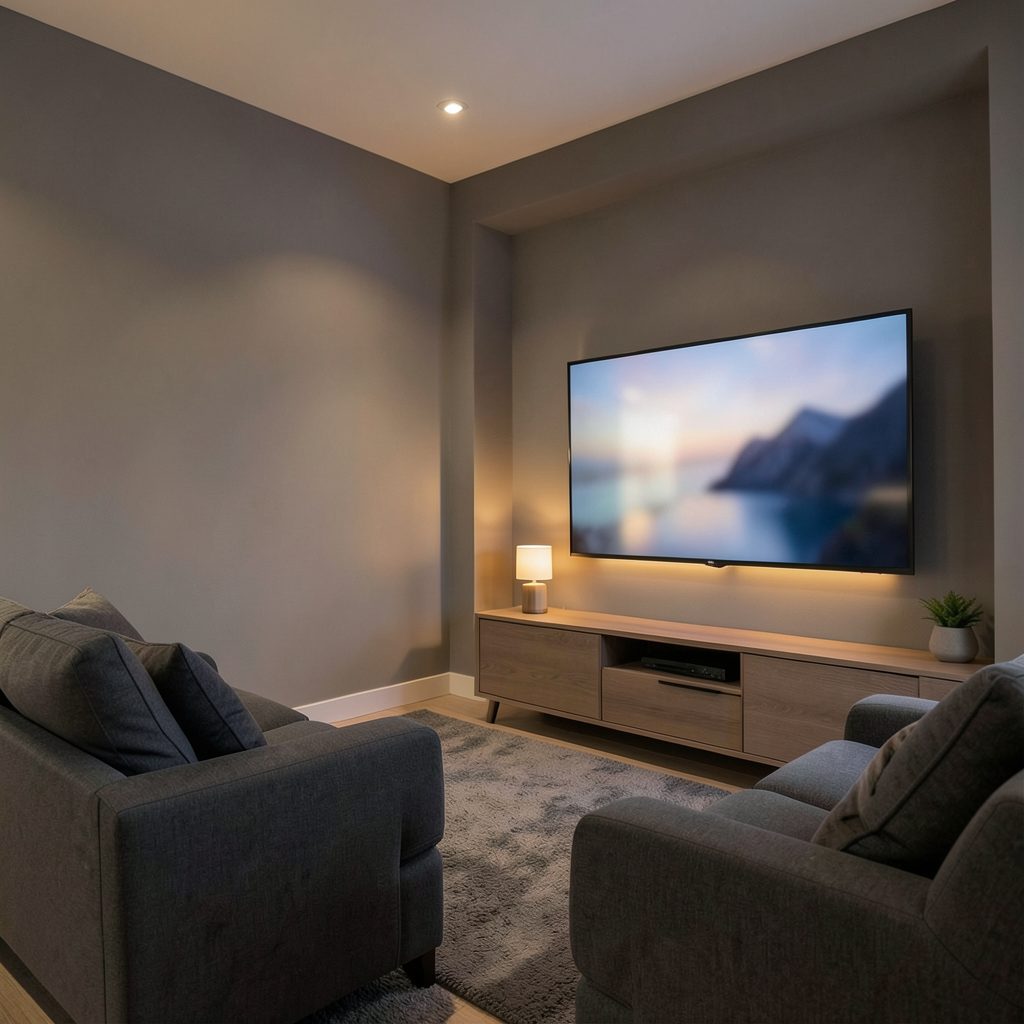
A Loewe television can deliver excellent picture and sound for locally stored video or compatible streaming apps, but Popcorn Time is not usually installed directly on the TV. The practical solution is to use an external device, such as a laptop, Android TV box, Google TV streamer, or another media player, and send the picture to the Loewe screen.
There are two main methods. HDMI gives the most dependable connection because the video travels directly from the source device to the television. A media box can be neater and easier for remote control, although compatibility depends on the box, its operating system, the Popcorn Time fork, and the way the application handles playback.
Australian viewers should also consider internet data, copyright rules, and the availability of legitimate services before setting everything up. An NBN connection is usually suitable for high-definition streaming, while older apartment Wi-Fi in Sydney, Melbourne, Brisbane, or Perth may still struggle if the router is far from the TV.
Choose The Right Playback Method
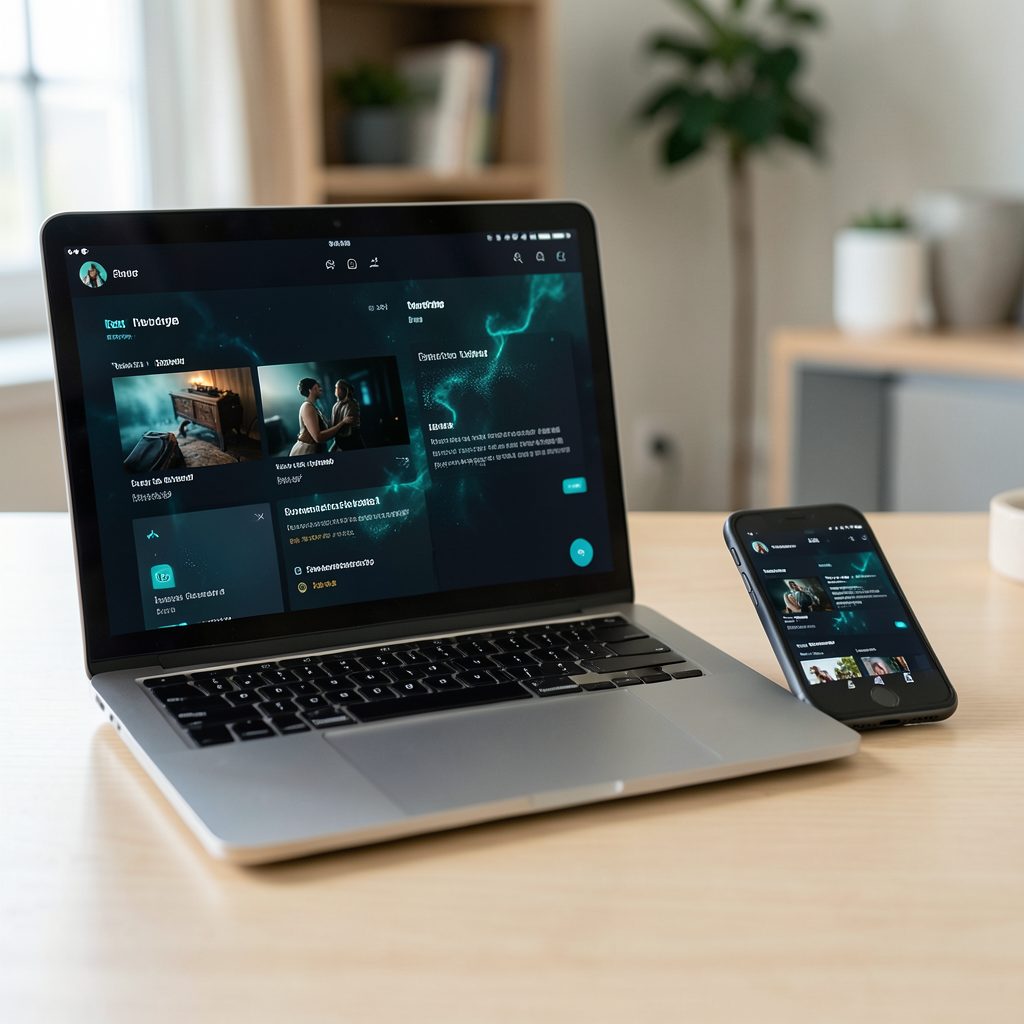
A laptop connected by HDMI is the simplest option when you want broad compatibility. Windows and macOS computers can run a supported Popcorn Time fork, and the television acts as a large external display. This approach avoids relying on an app store or the limited software selection found on some smart TVs.
A media box is more convenient for regular viewing. Android TV and Google TV devices generally offer USB, Wi-Fi, Bluetooth, and HDMI, while Apple TV has a more restricted app environment. Some boxes can run compatible Android applications, but an app designed for a phone may display badly or lack proper remote-control support.
Check the software and hardware before buying anything. Look for an HDMI output, support for 1080p or 4K, dual-band Wi-Fi, and an Australian power supply. A general streaming reference can be useful when comparing device-based playback with other ways to put online video on a television.
Check The Loewe Television
Find the HDMI sockets on the rear or side of the Loewe TV. Many models label them HDMI 1, HDMI 2, or HDMI 3, while newer sets may identify one input as ARC or eARC for sound equipment. Any ordinary HDMI input is suitable for a laptop or media box; ARC is not required unless an AV receiver or soundbar is part of the setup.
Use a sound HDMI cable rated for the resolution you intend to watch. A standard High Speed HDMI cable is normally sufficient for 1080p, while a Premium High Speed cable is a sensible choice for 4K HDR equipment. Very long or poorly made cables can cause flickering, intermittent sound, or a black screen.
Turn on the Loewe TV and open its input menu using the remote. Select the HDMI socket that will receive the signal. If the set does not switch automatically when the external device starts, manually choose the matching input and give it a clear name such as “Laptop” or “Media Box”.
Prepare A Laptop Or Media Box
For a laptop, connect the HDMI cable while both devices are switched on, then select the TV as an additional display. Windows commonly uses Windows + P to choose duplicate or second-screen mode. On macOS, open Display settings and select mirroring if you want the same image on the laptop and television.
Set the computer output to a resolution the Loewe supports. 1920×1080 at 50 or 60 Hz is a reliable starting point. If the television supports 4K, try 3840×2160 only after confirming that the laptop, graphics hardware, cable, and media player can handle it smoothly.
A media box should be connected to the Loewe by HDMI and to the home network through Wi-Fi or Ethernet. Ethernet is preferable for a box in a living room near the router because it reduces wireless interference. In an Australian home using an NBN modem in a hallway cupboard, a mesh node or wired access point may provide a steadier connection than the modem’s signal alone.
Install And Configure Compatible Software
Use software from a reputable, clearly identified source and check whether the application is legal to use in your location. Popcorn Time forks can differ substantially: one may support Android TV, another may be intended for desktop computers, and a third may be abandoned or bundled with unwanted software.
On a computer, download only the version that matches the operating system and scan the installer before opening it. On an Android-based media box, installation may require an official package or a compatible app store. Avoid random APK mirrors, modified builds, and packages that request unnecessary access to contacts, messages, or accessibility controls.
An application that opens on a phone may not work properly with a TV remote. If the interface is difficult to navigate, a Bluetooth mouse, wireless keyboard, or air-mouse remote can help. For a desktop troubleshooting checklist, see this guide to fixing startup problems, especially if the program closes immediately or shows a blank window.
Configure Picture And Sound
Start with the Loewe’s picture mode set to Standard or Cinema rather than an overly bright shop-display mode. Disable unnecessary motion smoothing if films look artificial or develop halos around moving objects. For a laptop, set the display scaling so menus are readable without cutting off the edges of the picture.
If the image appears too large, enable the television’s screen-fit, pixel-for-pixel, or original-size option. Some computers send an underscanned or overscanned image, leaving black borders or hiding subtitles. Adjust the computer’s display settings before changing the film player’s zoom controls.
For sound, choose HDMI audio output on the source device. If the TV is connected to a soundbar through ARC or eARC, make sure the Loewe audio menu is set to the correct external output. When audio and video are out of sync, try stereo or PCM output first; advanced passthrough formats can create delays when the source, television, and soundbar interpret them differently.
Use Casting And Remote Controls
HDMI is usually more reliable than casting because it does not depend on the application supporting Chromecast or AirPlay. It also avoids a common problem where the phone continues playing while the television shows a loading screen. For private viewing, HDMI keeps playback controls on the computer or media box rather than exposing them to every device on the home network.
Some Loewe models and external streamers support casting, but Popcorn Time compatibility can vary between versions. A phone may send a web link rather than the actual video stream, and the receiving television may not support the required codec. Test casting with legal local media or a mainstream service before assuming that every title will work.
A media box is easier for family use if the remote has dedicated navigation buttons. Keep the box’s firmware updated, enable automatic date and time, and turn off aggressive sleep settings if the device repeatedly disconnects overnight. HDMI-CEC can allow the media box remote to turn the Loewe on and switch inputs, although this feature may be labelled differently in the TV menu.
Solve Common Connection Problems
A “No Signal” message usually means the wrong HDMI input, a loose cable, or an output resolution the television cannot display. Disconnect the HDMI cable, restart the source device, select the correct input, and reconnect it. If the screen remains blank, temporarily choose 1080p at 60 Hz on the computer or media box.
If video works but sound does not, check the volume and mute controls on both devices. Confirm that the source is using HDMI audio rather than laptop speakers or Bluetooth headphones. With a soundbar, test the television speakers first, then reconnect ARC or eARC after the basic HDMI path is working.
Buffering may result from Wi-Fi congestion rather than the Loewe itself. Pause large downloads, move the media box closer to the router, or use Ethernet. In busy Australian households, evening congestion can be noticeable when several people are gaming, video-calling, and streaming at once. Lowering the stream quality from 4K to 1080p can provide a steadier result on a modest connection.
A slow or unreliable fork may be the underlying cause. Do not disable antivirus protection or install suspicious “codec packs” simply to make a stream work. If a particular title fails, test a legal streaming service or locally owned media file to determine whether the problem is with the TV setup or the original source.
Keep Viewing Legal And Secure
Popcorn Time has historically been associated with torrent-based playback, which can involve downloading or sharing copyrighted material while watching it. Australian copyright law applies to that activity, and a VPN does not make unauthorised distribution lawful. Use the software only where the content, source, and licence permit it, and check the terms that apply to your connection and location.
A VPN can encrypt traffic between the device and the VPN provider, which may be useful on public Wi-Fi, but it can also reduce speed and increase buffering. Choose a provider carefully, read its privacy policy, and avoid free VPN applications that monetise browsing data. Do not treat a VPN as a substitute for permission to access copyrighted films or television programs.
For legitimate alternatives, compare services available in Australia, including ad-supported platforms, library services, rental stores, and subscriptions that carry the titles you want. This overview of safer streaming alternatives may help when a particular Popcorn Time fork is unavailable or unsuitable for your Loewe setup.
Connect the Loewe to the correct HDMI input, begin with 1080p, and test the system using content you are authorised to watch. Once the picture, sound, remote control, and network connection are stable, save the settings and label the input clearly so the setup remains simple for everyone in the household.