


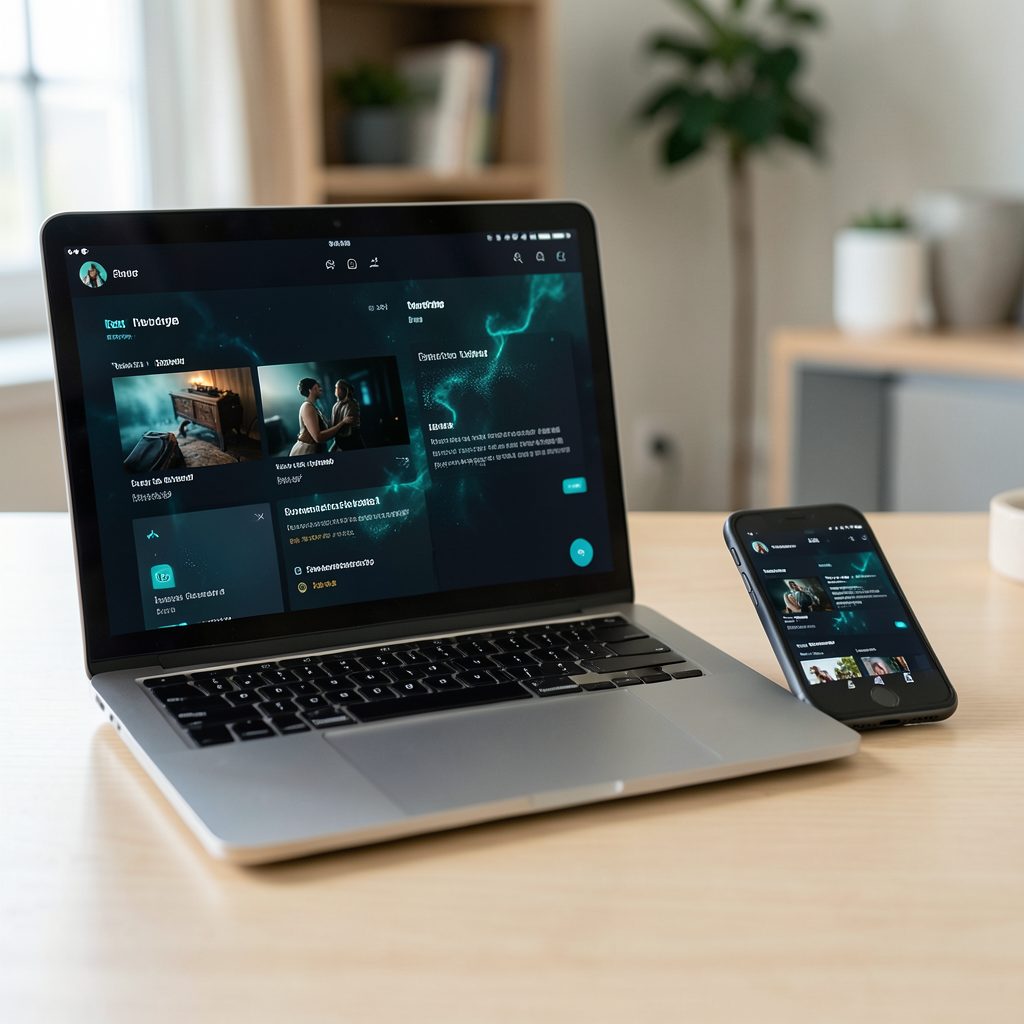
The Best Popcorn Time Alternatives for Safe Streaming
Popcorn Time became popular because it combined a simple streaming interface with torrent technology. Movies and television episodes appeared in a familiar library, while peer-to-peer connections delivered the content in the background. That convenience also created serious concerns involving copyright, privacy, malicious software, and unreliable playback.
A safer approach is to choose a service that has clear distribution rights, publishes a transparent privacy policy, and delivers apps through official channels. Legal streaming platforms may use advertising, subscriptions, library memberships, or a combination of these models. The right choice depends on the content you want, the devices in your home, and your tolerance for commercial interruptions.
Before installing any Popcorn Time fork, review current licensing information and local regulations. An independent Popcorn Time guide can help explain platform differences and setup considerations, but information about an application does not change the legal status of the material accessed through it.
Why Consider A Different Streaming Platform
Torrent-based streaming can expose a device to more than a video file. A peer-to-peer application may connect with many unknown users, request broad permissions, or depend on third-party repositories that are difficult to verify. Fake installers and modified APK files are common risks, especially when an app is downloaded from an unofficial mirror.
Playback can also be inconsistent. Sources may disappear, subtitles may be inaccurate, and a film can stop when there are too few active peers. Some forks have limited support for newer operating systems, smart TVs, or streaming protocols such as Chromecast and AirPlay.
Licensed platforms generally offer stronger safeguards. They use controlled content delivery networks, account security tools, customer support, and predictable updates. They can still collect viewing data or show advertisements, so privacy settings and terms of service deserve attention, yet the overall security model is easier to evaluate.
Free Ad-Supported Services
Free, ad-supported streaming television services are the closest legal replacement for users who want to watch without a monthly subscription. Tubi, Pluto TV, The Roku Channel, and similar services offer rotating catalogs of films, series, live channels, and documentaries. Their libraries vary by country because distribution agreements differ.
Tubi is particularly useful for on-demand viewing, with a broad selection that changes regularly. Pluto TV focuses heavily on scheduled channels but also includes an on-demand section. The Roku Channel is available on many Roku devices and has expanded its browser and mobile access in supported regions. You should use the official website or the app store for your device rather than downloading an unknown package.
Advertising is the trade-off. Commercial breaks may be longer than expected, and newly released films are uncommon. Even so, these services are straightforward for families, work on common smart televisions, and do not require torrent traffic or a separate media server.
Library-Based Streaming Options
A public library card can unlock excellent films and television programs through Kanopy or Hoopla. Availability depends on your library system, and some institutions limit the number of monthly plays or rentals. Kanopy is known for documentaries, independent cinema, foreign films, and educational content, while Hoopla often includes movies, television, audiobooks, comics, and music.
These services are valuable for viewers who want thoughtful or niche programming rather than the same popular titles found across commercial platforms. They also tend to provide polished applications, closed captions, parental controls, and support for casting on compatible devices.
Library catalogs can change quickly, and access may be restricted to residents within a participating district. Check your library’s website for enrollment requirements and supported devices. A digital library membership can complement a free ad-supported service without adding another recurring entertainment bill.
Subscription Services With Reliable Playback
Netflix, Disney+, Max, Paramount+, and similar subscription platforms remain suitable for viewers who prioritize stable playback and current licensed programming. Each service has a distinct catalog, and rotating subscriptions can be more economical than maintaining every account at once. Some plans include advertising, while premium tiers may offer higher resolution, more simultaneous streams, or offline downloads.
Amazon Prime Video, Apple TV+, and MUBI appeal to different audiences. Prime Video combines a subscription library with rentals and purchases, Apple TV+ concentrates on original productions, and MUBI emphasizes curated international and independent films. A service’s reputation should be judged alongside its catalog, price, supported regions, and cancellation policy.
Subscription streaming is not automatically private. Providers may record searches, device information, and viewing behavior. Use a strong, unique password, enable multifactor authentication where available, and review account-sharing rules. A VPN can protect traffic from local network observers, but it does not grant permission to bypass licensing restrictions or access content unavailable in your country.
Comparing Safe Streaming Choices
The best alternative depends on whether cost, catalog depth, live channels, or independent cinema matters most. The following comparison provides a practical starting point, though titles, pricing, and regional availability can change.
| Service type | Typical cost | Best for | Main limitation | Common device support |
|---|---|---|---|---|
| Tubi and similar services | Free with ads | Large on-demand catalogs | Rotating titles and advertisements | Web, mobile, smart TV, casting |
| Pluto TV | Free with ads | Live-style channels and casual viewing | Scheduled programming can feel restrictive | Web, mobile, smart TV, casting |
| Kanopy | Often included with a library card | Documentaries and independent films | Monthly play limits may apply | Web, mobile, selected TVs |
| Hoopla | Often included with a library card | Mixed media and short-term rentals | Catalog depends on the library | Web, mobile, selected TVs |
| Netflix or Disney+ | Paid subscription | Established originals and popular series | Separate subscription required | Broad smart TV and mobile support |
| MUBI | Paid subscription | Curated international cinema | Smaller mainstream catalog | Web, mobile, selected TVs |
| Plex Free Movies & TV | Free with ads | Centralized free viewing and personal media | Content varies by region | Web, mobile, smart TV, casting |
Device Compatibility And Privacy
Check compatibility before subscribing or creating an account. Official applications for Android TV, Google TV, Roku, Fire TV, Apple TV, iOS, Android, and major smart television brands generally provide better support than manually installed files. Browser playback can be a useful fallback, although protected content may require a current browser and working digital rights management components.
Chromecast and AirPlay support is especially important when the television has limited native apps. A service should clearly document whether casting starts from the mobile application, the browser, or a dedicated receiver. If playback repeatedly fails, update the operating system, restart the router, check the account’s stream limit, and test another network before changing security settings.
Privacy also involves the network around the streaming device. Use WPA2 or WPA3 encryption on your router, change default administrator credentials, and keep smart TV firmware current. Avoid applications that request access unrelated to playback, such as contacts, SMS messages, or accessibility controls. A reputable VPN may reduce exposure on public Wi-Fi, but select a provider with a clear logging policy and understand that VPN use can interfere with regional catalogs, payments, or account rules.
Avoiding Unsafe Streaming Apps
A professional-looking website does not prove that an application is trustworthy. Be cautious when a download page promises every new film for free, asks you to disable antivirus protection, or redirects through several advertising domains. Suspicious warning signs include password-protected archives, unexplained browser extensions, cryptocurrency payment demands, and instructions to sideload an app from a random file host.
Use official app stores whenever possible. Verify the developer name, publication history, permissions, and recent reviews, while remembering that ratings can be manipulated. Keep endpoint protection enabled and scan downloaded files before opening them. On a television or streaming stick, install only the software you need and remove abandoned applications.
Copyright concerns deserve equal attention. A platform may display a title without having the right to distribute it in your location. Legal services obtain licenses, production rights, or library agreements; unofficial streaming applications may rely on unauthorized copies. Rules differ by jurisdiction, so consult trustworthy local guidance when you are uncertain about downloading, sharing, or watching a particular work.
Practical Choices For Different Viewers
A household seeking the lowest possible cost can combine Tubi or Pluto TV with a library service such as Kanopy. This setup provides a mixture of popular entertainment, live channels, documentaries, and independent films without exposing devices to peer-to-peer connections. It also avoids the need to maintain several paid memberships.
Film enthusiasts may prefer MUBI alongside a rotating subscription to a larger service. Viewers who want children’s programming should compare parental controls, profile settings, subtitle options, and content filters rather than choosing solely by catalog size. People who watch across several televisions should prioritize simultaneous streams and dependable casting support.
Use these recommendations when replacing an unverified streaming application:
- Choose a licensed service or library platform distributed through an official app store.
- Compare regional catalogs, advertising policies, subtitles, and cancellation terms before paying.
- Secure every account with a unique password and multifactor authentication when available.
- Keep televisions, streaming sticks, routers, browsers, and mobile devices updated.
- Treat VPN software as a privacy tool, not as a way to defeat copyright rules or geographic licensing.
Moving away from torrent-based playback can improve reliability without sacrificing variety. Start with one free legal service and your local library’s digital catalog, then add a paid subscription only when its exclusive content justifies the cost. Review installed applications, remove unknown files, and use official support pages for setup and troubleshooting so your movie nights remain secure, stable, and compliant.