

Turn Your Raspberry Pi Into a Budget Media Center With Popcorn Time
Australians have been quick to embrace streaming as the cost of NBN plans stabilises and household data allowances climb past the one terabyte mark. In homes across Brisbane and Hobart, the television is now the centre of a small constellation of subscriptions, from Stan and Binge to Kayo and Disney Plus, often running alongside free-to-air catch-up apps. Adding yet another paid service feels unnecessary when a low-cost computer sitting quietly behind the screen can already deliver an enormous catalogue of films and series.
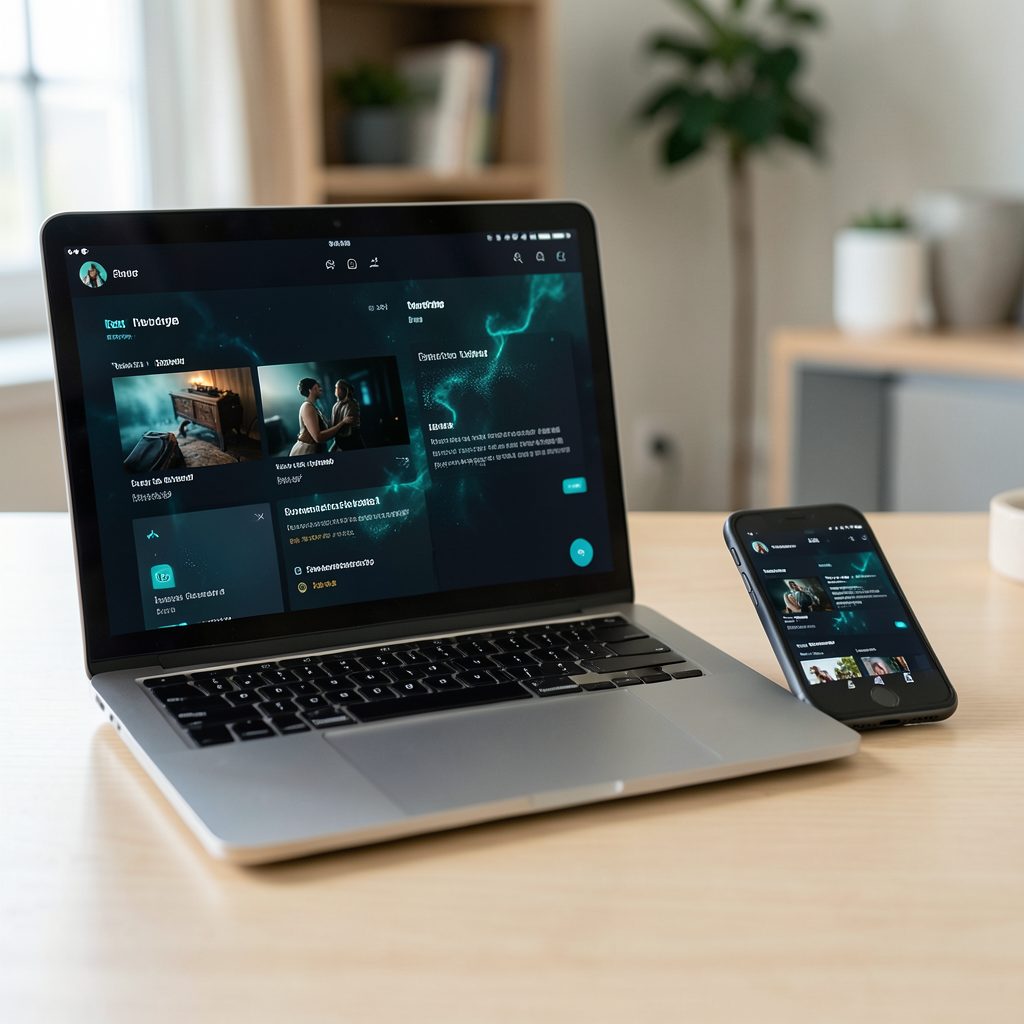
A Raspberry Pi is the most affordable single-board computer capable of handling Popcorn Time, the open-source torrent streaming application that has built a loyal following over the past decade. Because the Pi draws less power than a light bulb, runs silently, and costs about the same as a couple of schooners in a Melbourne pub, it is ideal for anyone wanting a permanent streaming box without the monthly hit of another streaming subscription.
The guide below walks through every step, from choosing the right Pi variant to configuring Popcorn Time for your lounge room television. It also touches on Australian internet realities, including ISP monitoring and the local case for using a VPN, plus a few pointers on Chromecast and AirPlay for casting from a phone. Readers should set aside around an hour for the build, plus a few more minutes for the first boot and configuration.
Picking a Raspberry Pi That Can Handle the Stream
Not every Pi on the market is suitable for video streaming, so the model matters. The Raspberry Pi 4 Model B with at least 2 GB of RAM handles Popcorn Time with ease and remains widely available from Australian retailers including Core Electronics in Newcastle and Little Bird Electronics. The newer Raspberry Pi 5 is faster still, but only worth the extra spend if you intend to push high-bitrate 4K content, which most Popcorn Time streams are not.
For most Australian households a Pi 4 with 4 GB of RAM is the sweet spot. The extra memory helps when the application caches multiple torrents at once, particularly during peak evening hours when NBN congestion tends to slow peering across Sydney and Perth. Power consumption stays under five watts even at full load, which is one of the Pi's quiet strengths compared to a laptop or a small desktop PC.
Storage comes in the form of a microSD card for the operating system, while Popcorn Time keeps its temporary torrent data on a USB-attached solid-state drive. Australian summers push case temperatures high, so passive cooling or a small fan is worth budgeting for, particularly in places like Darwin where the mercury regularly climbs past thirty-five degrees.
Hardware Worth Adding to the Shopping List
A working media centre needs more than just the Pi itself. The list below covers the essentials, and most of these items can be sourced from Jaycar or even picked up at a larger Officeworks store alongside the SD card. Prices fluctuate, but the entire bundle usually lands somewhere between one hundred and one hundred and sixty Australian dollars.
- Raspberry Pi 4 Model B (4 GB) or Raspberry Pi 5 (4 GB or 8 GB)
- 32 GB or larger microSD card, Class 10 or better
- Official USB-C power supply rated for the Pi model chosen
- Micro-HDMI to HDMI cable suitable for the television
- USB 3.0 solid-state drive or large flash drive for torrent caching
- Optional case with cooling, plus a small wireless keyboard or remote
A wireless keyboard with an integrated trackpad is genuinely handy during setup, though many Australians simply install the Kodi remote app on an old Android phone and pair it later. AirPlay and Chromecast functionality can be added at the software stage, removing the need for extra dongles behind the television.
Preparing the Operating System on the MicroSD Card
Raspberry Pi OS remains the most straightforward base for a Popcorn Time build, though Ubuntu Desktop for ARM works just as well for those already comfortable with Linux. The Raspberry Pi Imager tool, available for Windows, macOS, and Linux, downloads the chosen image and writes it to the microSD card in one pass. Australian users on Telstra or Optus NBN connections will find the download completes quickly enough, usually within ten minutes.
Before writing the image, select the advanced settings menu in Imager and pre-configure the Wi-Fi credentials, set a hostname such as "popcorn-pi", and enable SSH for remote troubleshooting from a laptop on the same network. These small touches save considerable fiddling once the Pi boots for the first time and is plugged into the back of the television in another room. After the image is flashed, insert the card, connect the HDMI cable, and power the board.
The first boot takes around thirty seconds, after which the desktop appears. Open a terminal and run the standard update commands to make sure the firmware and package lists are current. Australian Pi owners should also confirm the system clock is set correctly, since torrent clients and SSL certificates both rely on accurate time.
Installing Popcorn Time on the Pi
Popcorn Time ships with ARM builds that run directly on the Raspberry Pi, although the developers officially focus on desktop operating systems. Head to the official site and download the Linux build, then transfer the tar archive to the Pi using SCP or by copying it onto the USB drive. A guide explaining the broader smart TV setup, including which forks work best on different televisions, lives at Popcorn Time on smart TV setup for those wanting a deeper read.
Once the archive is on the Pi, open a terminal and extract it with tar. Move the resulting folder into a sensible location such as /opt/popcorn-time, then create a small launcher script that points at the binary. Marking the script executable and adding it to the autostart list means Popcorn Time will launch automatically every time the Pi boots, removing the need for a keyboard once everything is configured.
A few ARM-specific tweaks help with stability. Setting the GPU memory split to at least 256 MB in raspi-config gives the application enough video memory, and disabling the compositor on lightweight window managers such as LXDE reduces tearing on larger televisions. Australian viewers with Foxtel boxes stacked next to the Pi may notice the extra heat output, so leave a few centimetres of clearance around the case.
Display, Audio, and Remote Control Configuration
Most modern televisions in Australian louncapes accept a 1080p signal at sixty hertz without complaint, but a quick trip into the Raspberry Pi configuration tool lets you lock the output to match the panel's native resolution. For owners of four-metre-wide displays common in newer suburban homes, the Pi 5 can be coaxed into outputting 4K, though Popcorn Time streams rarely exceed the bandwidth needed for full HD.
Audio is where many builds stumble. The Pi's HDMI output carries Dolby Digital and DTS passthrough to a soundbar or amplifier, but only when the right flags are set in config.txt. Australians using a Sonos Beam or a Yamaha receiver should enable hdmi_drive=2 and check that the receiver is set to bitstream mode rather than PCM. Bluetooth headphones work well for late-night viewing, though pairing them through the Pi's Bluetooth menu adds a small delay that some viewers find distracting.
For everyday control, the official Popcorn Time remote API lets a phone app send commands over the local network. An old Android handset running Yatse or the Kore remote paired with a local Kodi instance works equally well. AirPlay support is built into recent Popcorn Time builds, so casting from an iPhone while sitting on the couch in Adelaide or Canberra is straightforward.
VPNs and the Australian Legal Picture
Streaming copyrighted content through torrent-based apps sits in a grey area that Australian rights-holders have policed inconsistently. ISPs such as TPG, iiNet, and Telstra are required to pass on infringement notices when they receive them, and repeated warnings can lead to account suspension under the industry's voluntary code. A reputable VPN with a no-logs policy and an Australian or nearby jurisdiction provides a useful layer of privacy, masking the home IP address from peers in the swarm.
Choose a provider with fast local servers in Sydney or Melbourne, as connection speed matters when dozens of peers are feeding a single stream. WireGuard has largely replaced OpenVPN on modern routers because it handles high-throughput video well without taxing the Pi's modest CPU. Australian shoppers can compare plans through WhistleOut or Canstar Blue, both of which run local reviews that account for NBN performance and customer service.
It is worth noting that Popcorn Time works just fine through a VPN only if the connection is configured at the router level, since the Pi itself lacks the CPU overhead to encrypt and decrypt traffic while decoding video. Some builders instead run the VPN on a separate router such as a GL.iNet device, leaving the Pi free to focus entirely on playback.
Streaming Alternatives and Cast Features Worth Trying
Popcorn Time handles on-demand movies and series beautifully, but it is not the only way to get value from a Pi-based media centre. Kodi, installed alongside Popcorn Time, reads files from a network attached storage drive and presents a unified library for home videos, music, and family photos. Chromecast built into Popcorn Time means any stream can be sent from an Android phone straight to the Pi's virtual receiver, useful for sharing a YouTube clip or a sporting highlight from Kayo.
AirPlay works in the opposite direction, with the Pi acting as a target for iPhones and iPads. This is handy in homes where AFL or NRL games are streamed through apps that lack a native Linux client. Plex and Jellyfin are also worth mentioning for anyone with a stash of legally obtained files, as both run reliably on the Pi and integrate with Australian catch-up services through community plugins.
If Popcorn Time ever falls out of favour or a particular fork stops receiving updates, swapping the application out is straightforward. The Linux build of Stremio behaves similarly, and Kodi itself supports a wide range of community streaming add-ons. The Pi remains the same small, quiet box under the television, ready for whatever comes next.
For Australians weighing the cost of another streaming subscription against a one-off hardware build, the math almost always favours the Pi. Pick up a board from a trusted Australian reseller, set aside a weekend afternoon, and follow the steps above to create a media centre that pays for itself within a single month of cancelled subscriptions.