

Popcorn Time on a Smart TV: What You Need to Know
Watching films and television shows on a large screen is one of the main reasons people look for Popcorn Time smart TV options. The experience can be convenient, but it depends heavily on the television’s operating system, the particular Popcorn Time fork, and the playback methods supported by the device.
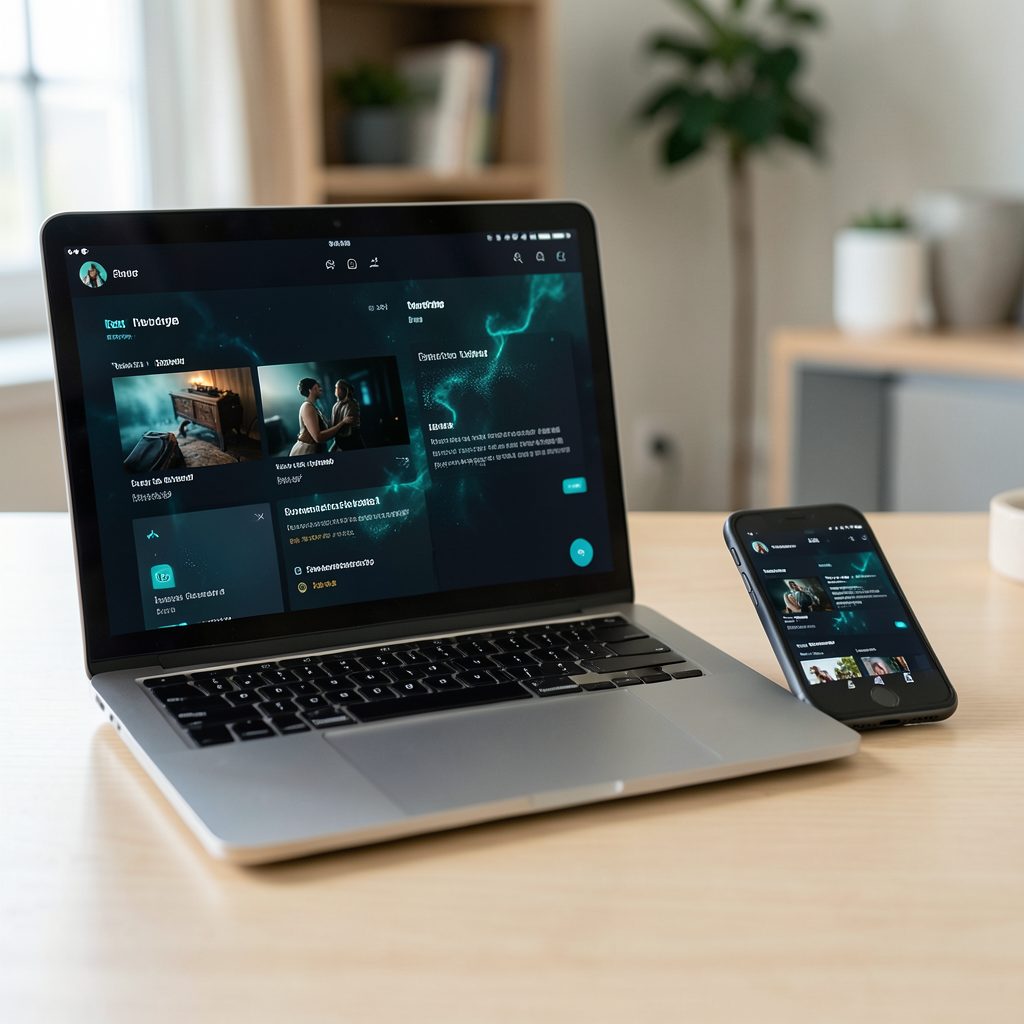
Unlike mainstream streaming services, Popcorn Time availability is inconsistent across smart TV platforms. Some versions may offer an Android TV application, while others require casting from a phone or computer. Certain televisions may support neither direct installation nor reliable screen mirroring, making an HDMI connection the more practical alternative.
There are also important security, privacy, and copyright issues to consider. Popcorn Time uses torrent technology, which can involve uploading content while it plays. Before installing or streaming anything, check the laws that apply where you live and use the service only for content you are permitted to access.
Check Your Smart TV Compatibility
The first step is identifying the operating system rather than relying on the television brand. Android TV and Google TV models usually provide the greatest flexibility because they can support compatible Android applications, Chromecast functionality, and external media players. Even then, an application designed for a phone may not work properly with a remote control or a television-sized interface.
Samsung smart TVs generally use Tizen, while LG models commonly use webOS. These platforms have curated app stores and typically do not support Android application packages. A Popcorn Time app that works on an Android TV device cannot normally be copied directly to a Samsung or LG television and expected to function.
Apple TV follows a different model, with strict App Store controls and strong support for AirPlay. Rather than attempting to install an unsupported application, Apple users usually rely on an iPhone, iPad, or Mac as the source device. Roku and many low-cost smart TV systems have similar limitations, so casting, a streaming stick, or HDMI may be necessary.
| TV or Device Type | Direct Installation | Practical Alternative | Main Limitation |
|---|---|---|---|
| Android TV or Google TV | Sometimes possible with a compatible build | Chromecast or USB drive | App and remote compatibility vary |
| Samsung Tizen TV | Rarely supported | HDMI, casting, or an external Android device | Android packages are not native |
| LG webOS TV | Rarely supported | HDMI or supported casting method | Limited third-party installation |
| Apple TV | Usually unavailable | AirPlay from Apple hardware | Source device must remain available |
| Roku TV | Generally unavailable | HDMI or a compatible streaming device | Restricted app ecosystem |
| Chromecast with Google TV | Sometimes possible | Casting from another device | Storage and app support differ by model |
Choose A Suitable Playback Method
Direct installation is the simplest arrangement when a trustworthy, compatible application exists for Android TV or Google TV. The version must match the television’s processor and Android release, and it should present a ten-foot interface with readable menus and remote navigation. A phone-oriented build may install successfully yet remain difficult to operate from the sofa.
When a compatible app is unavailable, casting is often easier. Chromecast allows a supported mobile application or browser to send playback to the television, while AirPlay can mirror or stream from Apple devices. Casting performance depends on whether the application supports the relevant protocol; ordinary screen mirroring is less efficient and may show notifications or reduce image quality.
An HDMI connection remains the most predictable option. A laptop or desktop runs the application, and the television acts as an external display. This avoids many smart TV software restrictions, though it requires a cable, a nearby computer, and suitable audio and display settings. An Android TV box or similar external device can provide another route, but it should come from a reputable manufacturer and receive regular security updates.
Install Carefully On Android TV
If the television or streaming box uses Android TV, begin by checking the source of the installation file. The Popcorn Time resource can help explain available versions, setup requirements, and platform differences, but users should still verify that a release is current and appropriate for their device.
Android TV may require permission to install applications from an external source. This setting is often described as installing unknown apps, and it should be enabled only for the file manager or browser being used. After installation, revoke that permission unless it is needed again. Avoid modified packages that promise premium access, ad-free playback, or unusually large content libraries, since these are common ways to distribute malware.
Storage and remote control support are easy to overlook. Leave enough free space for the application, temporary files, and playback cache. If the interface does not respond well to the standard remote, a wireless keyboard, Bluetooth mouse, or companion remote app may help, although adding accessories can create another privacy and security consideration.
A sideloaded application may disappear after a system update or fail when the service changes its streaming sources. For that reason, do not treat installation as a one-time guarantee. Keep the television firmware current, remove applications that no longer receive maintenance, and avoid granting access to contacts, messages, microphones, or files unless the feature genuinely requires it.
Improve Casting And Playback Quality
A strong home network matters more than raw television specifications for streaming stability. Place the TV, casting device, and source device on the same Wi-Fi network, preferably using the 5 GHz band when the signal is strong. A wired Ethernet connection is usually steadier for a television or streaming box, especially in homes with several simultaneous video streams.
Video quality can change during playback because torrent-based applications may use different sources and peer availability. A file labeled as high definition may still have poor encoding, missing subtitles, incorrect audio synchronization, or a misleading title. Test a short segment before settling in, and select a different source when playback quality or language information is unreliable.
Chromecast and AirPlay do not always behave identically. Native casting sends a playback command to the receiving device, while mirroring duplicates the source screen. Native casting generally uses fewer resources and allows the phone to remain available for other tasks. Mirroring can be useful when an application lacks casting support, but it may drain the battery and produce a less stable image.
If the television struggles with a particular file, an external media player may decode it more effectively than the built-in application. Check the supported codecs, audio formats, and subtitle types before blaming the network. Lowering resolution can help on a weak connection, but it will not fix a damaged file or an unavailable torrent source.
Protect Privacy And Stay Within The Law
Torrent-based playback can involve both downloading and uploading pieces of a file. That distinction matters because a user may participate in distribution even when the intention is only to watch. Copyright rules differ between countries and regions, and unauthorized access or sharing may lead to account restrictions, legal notices, or financial penalties.
A VPN is often discussed in connection with Popcorn Time because it can encrypt traffic between a device and the VPN server and hide the user’s IP address from some network observers. It does not make copyright infringement lawful, guarantee anonymity, or protect against malicious files. VPN providers can also differ substantially in logging practices, jurisdiction, speed, and handling of payment information.
Use reputable security software on computers and mobile devices, and keep operating systems updated. On a smart TV, review application permissions, disable unnecessary diagnostics where practical, and avoid entering banking credentials into unfamiliar installation pages. A free VPN or unofficial “activation” tool may monetize activity through aggressive advertising or data collection.
The safest content choice is material that is licensed, public domain, independently distributed with permission, or otherwise authorized for the viewer’s location. A legal streaming service, broadcaster application, library platform, or purchased digital copy may provide a smoother experience with dependable subtitles, parental controls, and customer support.
Solve Common Smart TV Problems
When the application will not install, confirm the device architecture, Android version, available storage, and file integrity. A package intended for a phone may be incompatible with Android TV, while a television running Tizen or webOS may reject it entirely. Reinstalling repeatedly will not solve a platform mismatch.
For buffering, test another legal streaming application to determine whether the problem affects the network generally. Restart the router and TV, reduce network congestion, move closer to the wireless access point, or use Ethernet. If other services play normally, the problem may relate to source availability rather than household bandwidth.
Audio and subtitle issues often come from the selected file. Try another release, check the audio output mode, and confirm that the television or soundbar supports the chosen format. If casting is involved, stop the session on both devices before starting it again; leaving an old casting connection active can cause playback commands to go to the wrong receiver.
When an app crashes or closes after an update, clear its cache and check for a newer compatible release. If support has ended, uninstall it rather than disabling important television security features. Factory-resetting a smart TV should be a last resort because it removes accounts, preferences, and other installed applications.
Use A Safer Setup Checklist
A considered setup reduces technical problems and limits unnecessary exposure. Before streaming, review these practical steps:
- Identify the television operating system and confirm that the chosen method supports it.
- Prefer official, maintained software sources and scan downloaded files before opening them.
- Use a secure home network with current router firmware and a strong wireless password.
- Check copyright rules and choose content you are authorized to watch or share.
- Keep the TV, casting device, VPN application, and media player updated.
- Remove abandoned applications and revoke external-install permissions after setup.
A separate streaming device can be easier to replace than a television’s built-in software. It also isolates experimental applications from the TV’s core system and may offer better updates, storage, remote support, and codec compatibility. Choose one with a documented update policy instead of selecting hardware solely because it is inexpensive.
Before using Popcorn Time or any torrent-based media application on a large screen, test the complete chain: source device, network, casting protocol, audio equipment, subtitles, and remote control. This makes it easier to identify whether a fault comes from the app, the file, the television, or the internet connection.
Smart TV viewing can be convenient when the software, hardware, and network are compatible, but there is no universal installation method. Check your TV platform, choose a lawful playback source, protect your devices, and use casting or HDMI when direct installation is unsupported. Review the available setup information before proceeding, then select the method that offers the clearest combination of reliability, privacy, and legal compliance.