


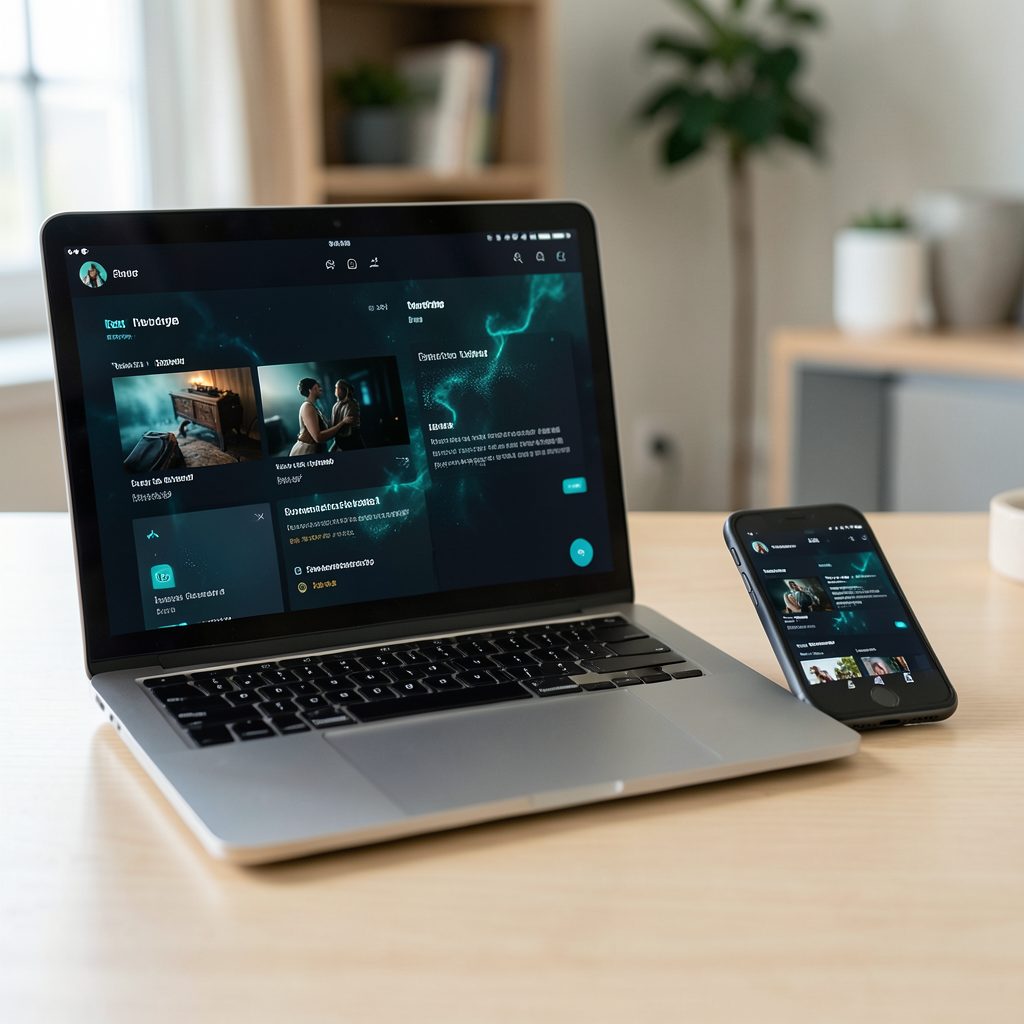
What Is Popcorn Time’s Repository and How Does It Work
Popcorn Time is commonly described as a streaming application, but its technical design is closer to a torrent client with a media-focused interface. When a user selects a film or television episode, the app usually locates torrent metadata, connects to peers, downloads small pieces of the media, and begins playback while the transfer continues.
The word “repository” can create confusion because it may refer to several different parts of the Popcorn Time ecosystem. It can mean the source-code repository used by developers, a release repository containing installers, or the catalog and torrent sources that supply titles and playback metadata. These components serve different purposes and are not necessarily controlled by the same people.
Understanding that distinction helps explain why different Popcorn Time forks behave differently, why an application may stop displaying titles, and why an old download page can become unreliable. It also makes it easier to evaluate software updates, platform support, and the legal position of the content being accessed.
The Two Meanings Of A Popcorn Time Repository
In software development, a repository is a managed collection of source code and related files. A Popcorn Time code repository may include the desktop interface, media player integration, torrent engine, settings, translation files, build scripts, and documentation. Developers use version-control systems to record changes, review contributions, and publish releases for supported devices.
A repository can also refer to the content infrastructure that an app consults. This usually contains catalog information such as titles, posters, descriptions, cast details, episode lists, subtitles, and links to torrent files or magnet metadata. It is better understood as an index or API than as a conventional library of complete video files.
These meanings are connected but independent. A developer can publish source code without operating the catalog service, while a catalog provider can change its endpoints without changing the application’s visible design. A fork may also replace one content source with another, which explains why two similarly branded apps can show different libraries or produce different playback results.
How A Request Becomes A Stream
When the application opens, it typically retrieves catalog data from a remote service or from a bundled source. The response may include a title’s artwork, synopsis, rating, release year, available qualities, subtitle options, and torrent identifiers. The app presents this information as a familiar browsing experience rather than exposing the technical steps behind it.
After a user selects a quality and language, the program obtains torrent metadata. A torrent file or magnet link identifies the files and provides information needed to find peers. The application then contacts a distributed peer network, often through trackers and distributed hash table methods, to locate other users who have pieces of the selected content.
Playback begins when enough data is available for the player to read a usable sequence. The client continues downloading later pieces while trying to maintain a buffer ahead of the current playback position. Unlike ordinary streaming from a central service, performance depends on peer availability, upload capacity, network conditions, and the popularity of the selected release.
The temporary data may be stored locally while playback is active. Depending on the fork and its settings, files can remain in a cache or download folder after viewing. This affects storage use and privacy, and it means that “streaming” in this context does not necessarily mean that no copy is written to the device.
Source Code, Releases, And Forks
A public code repository gives developers a place to publish application logic and track revisions. It may contain branches for Windows, macOS, Linux, Android, or other platforms, although platform support depends on the project’s current build system. A release page may provide compiled installers, checksums, changelogs, and notes about known limitations.
Source code and a finished build are different things. Reading code does not install an application, and downloading a release asset does not prove that the build came directly from the original maintainers. A trustworthy project should make its release history understandable and should identify how packages were created. Unsigned or unexplained installers deserve additional caution.
Popcorn Time has existed through multiple projects and forks, with changes in maintainers, domains, repositories, and supported devices. The history is complicated by discontinued services, copied branding, and unofficial sites. Background on the original app’s history can help distinguish an abandoned project from a current fork using a similar name.
A fork may preserve the original interface while changing the backend completely. It can alter the catalog provider, subtitle service, default player, torrent engine, analytics, update channel, or privacy settings. For that reason, the word “official” should be treated carefully unless the project provides verifiable ownership and a consistent development record.
Where The App Gets Its Catalog Data
The catalog is often assembled from several external services. One service may supply film and television information, another may provide subtitle files, and another may return torrent references. Some forks use a proxy or intermediary API so that the application does not communicate directly with every provider.
This arrangement creates a chain of dependencies. If a metadata API changes its format, the app may display blank posters or fail to load search results. If a torrent index becomes unavailable, the catalog may remain visible while playback options disappear. If subtitle servers reject requests, the video can work while subtitles fail.
Catalog data should also be distinguished from ownership of the underlying media. An entry in an index is a pointer to metadata or peer-distributed content; it is not automatically a license to view, copy, or distribute the work. Copyright rules differ by country, and torrent activity can involve both downloading and uploading pieces to other peers.
| Repository Component | Main Function | Typical Failure | What Users Notice |
|---|---|---|---|
| Source-code repository | Stores application code and development history | Project is abandoned or changes are unpublished | Updates stop or bugs remain unresolved |
| Release repository | Hosts installers and packaged builds | Files are replaced, unsigned, or removed | Installation warnings or failed updates |
| Metadata catalog | Provides titles, artwork, and descriptions | API outage or format change | Empty search results or missing details |
| Torrent index or provider | Supplies torrent references and magnet data | Provider disappears or returns poor sources | No playable qualities or slow starts |
| Subtitle service | Matches captions to releases | Rate limits or broken endpoints | Missing or inaccurate subtitles |
| Local cache | Holds pieces during playback | Storage limits or permission errors | Buffering, playback stops, or disk usage rises |
The table illustrates why a single visible problem can have several possible causes. A library that loads correctly but offers no playable sources points toward a provider problem, while an app that will not start may have a local installation or compatibility issue.
Why Repositories Change Or Disappear
Repositories are maintained by people and organizations, not by the Popcorn Time brand as a single permanent authority. A project may be archived when maintainers leave, hosting may be suspended, or a domain may stop forwarding users to the correct code and release pages. Legal complaints, infrastructure costs, and security incidents can also affect availability.
A fork may migrate from one hosting platform to another or split into separate projects. That can leave old installation guides pointing to inactive repositories. It can also create a confusing situation in which several downloads claim to be current while containing different code and different network connections.
Updates can break compatibility in less obvious ways. A new operating-system version may remove an old media codec, a certificate may expire, or a remote API may require new authentication. A repository that has not received recent commits or releases may still open normally but fail when it attempts to reach modern services.
For these reasons, repository health is more useful than branding alone. Recent and understandable release notes, reproducible build information, active issue tracking, and clear platform documentation provide stronger evidence than a familiar logo or a page promising every movie in one place.
Checking A Fork Before Installation
Users should inspect the relationship between the code, the downloadable package, and the service endpoints before installing a Popcorn Time fork. The application may be open source while its current installer is distributed elsewhere, or the public repository may be several versions behind the package promoted on a download site.
A platform-specific page can be useful when it explains device requirements, permissions, installation steps, and known limitations. For example, people reviewing Popcorn Time for iOS should pay attention to installation conditions and compatibility rather than assuming that an iPhone or iPad build works in the same way as a desktop package.
The following checks help establish whether a repository and its associated build deserve confidence:
- Verify that the project identifies its maintainers, supported platforms, and current release version.
- Compare the package version with the repository’s release notes and published checksums when available.
- Review requested permissions, especially access to storage, local network devices, contacts, or persistent background activity.
- Check whether the app clearly explains cache locations, update behavior, telemetry, and external service connections.
- Confirm that the content accessed through the application is lawful in the relevant country and that torrent participation does not create unintended legal exposure.
A VPN can encrypt traffic between a device and the VPN provider, but it does not verify an installer, remove malware, or make copyrighted distribution lawful. It can also affect torrent performance, peer connectivity, and the ability to cast to devices on a local network. Privacy tools should therefore be considered separately from repository authenticity and copyright compliance.
Diagnosing Repository And Playback Problems
Troubleshooting starts by identifying which layer has failed. If the app cannot open, examine the installation package, operating-system compatibility, permissions, and local logs. If the interface opens but the catalog is empty, the likely issue is a metadata endpoint, an expired certificate, or a blocked network request.
When titles appear but playback stalls, test whether the selected release has enough active peers. A highly compressed or unpopular torrent may have few seeders, while a heavily requested release may begin quickly but still suffer from unstable peer connections. Switching quality or release options can change results, but it does not repair a broken repository.
Subtitle failures are usually separate from video failures. Check whether the subtitle language is supported, whether the selected release has matching timing, and whether the service is reachable. Casting introduces another layer: Chromecast and AirPlay may require the phone, computer, and receiving device to share a local network, while some VPN configurations isolate those devices.
Keep the application, operating system, and media player components updated only through sources that can be verified. Remove abandoned packages, clear stale caches when storage or corrupted metadata is suspected, and avoid replacing a failed repository with an unknown installer. A repository problem is inconvenient, but an untrusted replacement can create a much greater security risk.
Before using any fork, investigate its code and release source, understand which catalog and peer services it contacts, and review the copyright rules that apply where you live. Visit the relevant platform guidance, retain only software from sources you can evaluate, and treat a repository as one part of a wider system rather than a guarantee of safety, availability, or legality.