
What Happened to the Original Popcorn Time App?
The original Popcorn Time app became famous by making torrent-based movie and television streaming look as simple as using a conventional video service. Instead of asking users to search for torrent files and manage a separate media player, it presented a polished catalog, selected torrent sources in the background, and began playback through a familiar interface.
That simplicity helped the software spread rapidly. It also created serious legal, security, and sustainability problems. The project attracted public attention from copyright holders, developers, privacy advocates, and users who wanted an easy alternative to increasingly fragmented streaming subscriptions.
The name did not disappear when the first development team left. Several later projects reused Popcorn Time branding, code, or design ideas. As a result, “Popcorn Time” eventually became an umbrella term rather than the name of one consistently maintained application.
The App That Changed Torrent Streaming
Popcorn Time first appeared in 2014, associated with a group of developers who published the project as open-source software. The application combined a searchable entertainment library with peer-to-peer delivery. A user could select a film or episode, wait for enough data to buffer, and watch while the remaining content continued downloading.
This approach was technically clever because it removed much of the friction associated with BitTorrent. The user did not need to understand trackers, magnet links, torrent clients, or video codecs. Popcorn Time handled those processes behind the interface, which made it feel closer to Netflix than to a traditional file-sharing tool.
The visual design also contributed to its popularity. Large artwork, genre browsing, subtitles, playback controls, and support for casting devices gave the program an approachable identity. It was available across desktop platforms and inspired mobile versions, media-center integrations, and browser-based imitations.
The original release was never a conventional commercial service. It did not have licensed content agreements, a stable revenue model, or a corporate legal department. Those omissions became central to its short lifespan.
Why The Original Project Vanished
The first Popcorn Time project was taken offline shortly after its release following legal pressure from copyright holders and their representatives. The developers were distributed across different countries, and the project’s public visibility made it a prominent target. The shutdown was voluntary rather than the result of one single technical failure.
Because the software was open source, closing the original website did not erase the application. Copies of the code had already been downloaded, mirrored, and adapted. Other developers soon created replacement websites and repositories, often presenting them as successors to the original project.
This created a cycle that repeated several times. A new domain would gain attention, authorities or copyright owners would challenge it, and the service would disappear or change its branding. Some developers continued the work for a period, while others abandoned it because of legal risk, limited funding, internal disagreements, or security concerns.
The original team’s departure therefore marked a change in stewardship rather than the end of the concept. The first app stopped being an active, unified product, but its interface and technical model continued through descendants.
A Name Shared By Many Forks
A fork is a separate project created from an existing codebase. In the Popcorn Time ecosystem, forks varied considerably. Some preserved the original desktop experience, while others added Android support, new catalogs, different subtitle providers, or compatibility with smart televisions and streaming devices.
Branding made the situation confusing. A website could claim to be the “official” Popcorn Time even when it had no connection with the original developers. Another project might use a familiar logo while changing the code, content sources, privacy practices, and update process. Download pages also moved frequently, making it difficult to establish which release was genuine.
The distinction matters because a familiar name says little about software quality. Some copies were outdated but harmless; others bundled aggressive advertising, questionable installers, tracking components, or modified media players. Fake download pages could also distribute unrelated malware under the appearance of a popular streaming tool.
Mobile users face additional complications. Android packages installed outside Google Play require careful verification because the package may have been repackaged after leaving the developer’s control. Anyone researching safe Android setup should treat the download source, permissions, file integrity, and removal process as important as the app’s features.
How The Original And Later Forks Differ
The table below summarizes the broad differences between the original application, later forks, and ordinary licensed streaming platforms. Individual forks can differ, so these categories should be treated as general guidance rather than a guarantee about a particular download.
| Feature | Original Popcorn Time | Later Forks | Licensed Streaming Services |
|---|---|---|---|
| Content delivery | Peer-to-peer torrent streaming | Usually peer-to-peer, with varying sources | Centralized or licensed cloud delivery |
| Ownership | Open-source volunteer project | Independent teams with unclear continuity | Identifiable commercial operator |
| Catalog stability | Depended on torrent availability | Often changes with providers and domains | Governed by licensing agreements |
| Legal position | High copyright risk for unlicensed content | Depends on the content and jurisdiction, often high risk | Designed around licensed distribution |
| Updates | Stopped with the original project | Irregular or inconsistent | Structured commercial support |
| Device support | Primarily desktop, with community ports | May include Android, TV, casting, or browser versions | Official apps for supported devices |
| Main security concern | Unmaintained software and unofficial copies | Malicious downloads, trackers, and deceptive sites | Account security and ordinary app privacy |
The biggest difference is accountability. A licensed platform has a recognizable operator responsible for billing, content rights, security updates, and customer support. A fork may be maintained by anonymous contributors, may have no stable support channel, and may disappear without warning.
That does not make every fork identical or automatically malicious. It does mean that users should evaluate the specific build and source instead of assuming that all versions share the original project’s reputation.
What Users Can Expect From Popcorn Time Today
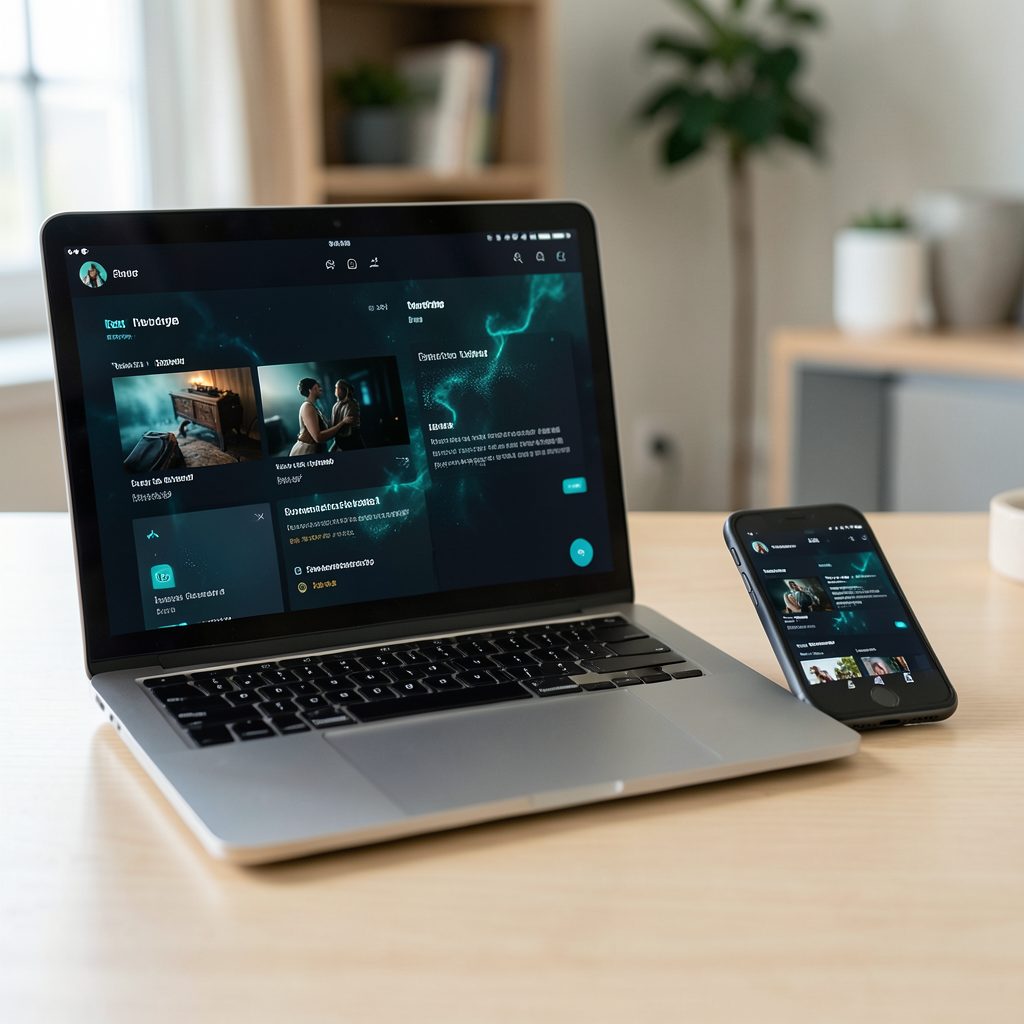
Modern Popcorn Time-branded applications may offer the features that made the original memorable: poster-based browsing, instant playback, subtitle selection, multiple quality levels, and support for external players. Some releases also advertise Chromecast, AirPlay, Android TV, or multi-device playback.
These features depend heavily on maintenance. If a catalog provider stops working, titles may remain visible but fail to play. Subtitle services can change their access rules, torrent health can fluctuate, and a fork may stop receiving fixes for newer operating systems. Casting can also fail when the sender and receiver use incompatible network protocols.
Performance is different from ordinary streaming. Torrent playback depends on seed availability, connection quality, storage access, and the behavior of other peers. A popular film may load quickly because many sources are available, while an older episode can buffer indefinitely. Internet service providers may also throttle or monitor peer-to-peer traffic according to their policies.
Privacy deserves separate attention. Peer-to-peer connections can expose an IP address to other participants, while unofficial applications may collect analytics or include advertising libraries. A VPN can reduce exposure to peers and conceal traffic from a local network provider, but it does not make copyright infringement lawful, verify an app’s safety, or protect against malware. Users should review the law in their location and the terms of any network or VPN service they use.
Practical Checks Before Installing Any Fork
Anyone examining a Popcorn Time replacement should focus on provenance and current maintenance rather than screenshots or search ranking. A trustworthy project should provide a clear release history, source-code references where appropriate, version information, and consistent documentation. A download page that pressures visitors with fake update warnings or several unrelated installer buttons deserves immediate suspicion.
Use these checks before opening a torrent-based streaming app:
- Download only from a source that can be independently connected to the project’s documented channels.
- Check the application version, release date, supported operating system, and publisher details before installation.
- Scan installation files with reputable security tools and avoid packages that request unrelated permissions.
- Read the privacy policy and network behavior carefully, especially when the app includes advertising, analytics, or account registration.
- Confirm that the content and playback method comply with local law, copyright rules, and your internet provider’s terms.
An additional safeguard is to test unfamiliar software on a secondary device or a separate user account rather than a computer containing sensitive work and personal files. Keep the operating system updated, use standard account privileges, and remove an application that behaves unexpectedly.
Users should also distinguish between a technical failure and a project shutdown. A broken catalog may reflect a provider outage, while a vanished website may indicate a legal action or abandoned infrastructure. Searching for a random replacement under the same brand can increase risk because impersonators often appear immediately after a popular fork disappears.
The original Popcorn Time app is best understood as a discontinued project that changed the expectations surrounding torrent-based media players. Its code, design, and name continued in different forms, but continuity was never guaranteed. There is no single modern application that can automatically be treated as the authentic successor.
For readers researching current versions, device compatibility, Android installation, casting support, or legal streaming alternatives, use established documentation and examine each source critically before downloading. A careful approach can preserve the useful lessons of Popcorn Time’s history without assuming that every fork is safe, official, or legally equivalent to a licensed service.