

Popcorn Time’s Legal History And Continuing Development
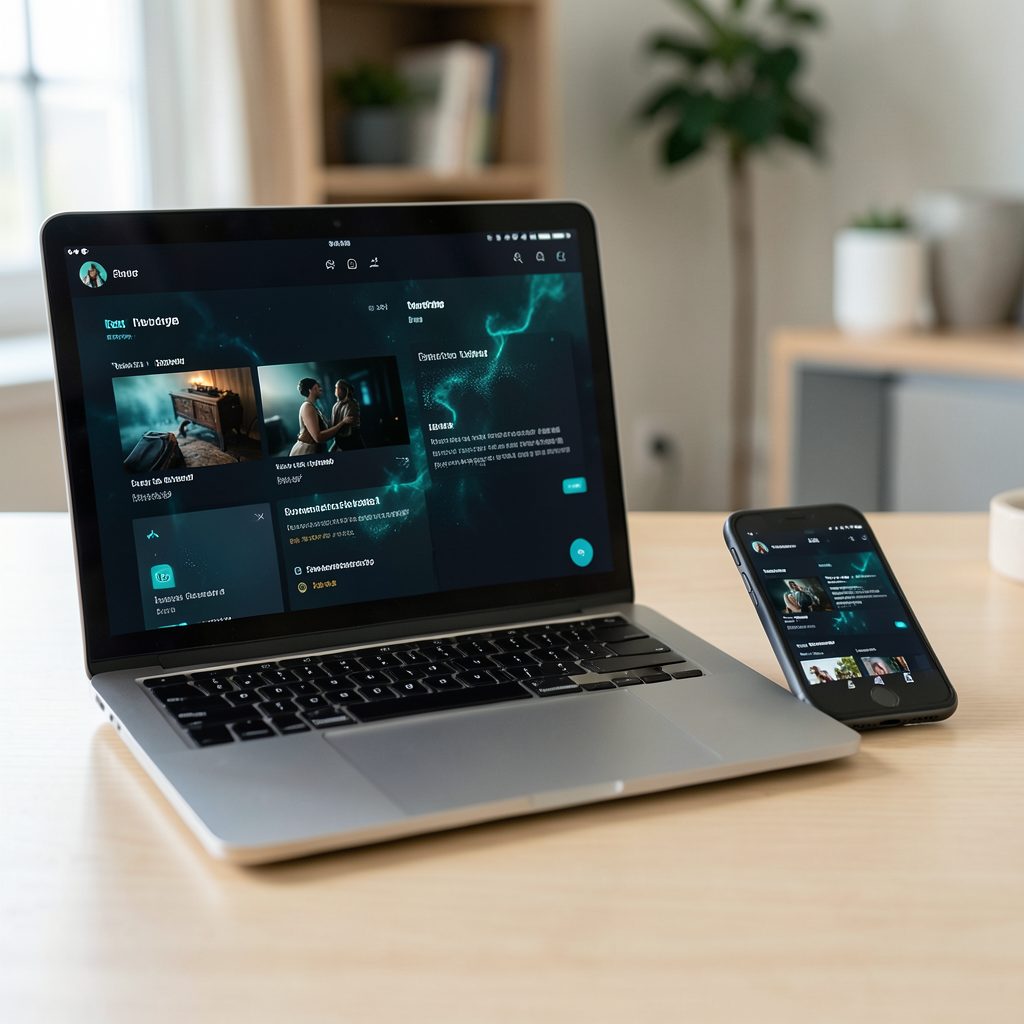
Popcorn Time changed the conversation around online entertainment by presenting torrent-based video distribution in a format that looked familiar to users of mainstream streaming services. Instead of searching for torrent files through a conventional client, viewers could browse films and television programs, choose a title, and begin playback through a polished interface.
That simplicity made the application popular very quickly. It also placed the project at the center of copyright disputes, enforcement campaigns, and debates about whether technology itself should be blamed for the conduct of its users. The original software disappeared soon after its launch, yet its code, branding, and design ideas continued through a collection of independent forks.
Understanding Popcorn Time’s development requires separating the original project from later versions. It also requires distinguishing copyright law, enforcement practice, privacy tools, and the technical realities of peer-to-peer streaming.
A Rapid Rise In 2014
The first widely known version of Popcorn Time appeared in early 2014, created by a small group of developers in Argentina. Its appeal came from combining a torrent index, peer-to-peer delivery, automatic video playback, subtitles, and an attractive catalog-style interface. Users did not have to understand trackers, magnet links, or torrent management to watch a file.
Technically, Popcorn Time did not create a new distribution method. It made BitTorrent activity feel like an on-demand streaming service. While the application downloaded pieces of a video, it also attempted to play those pieces in sequence. In many jurisdictions, this could involve both downloading and uploading copyrighted material, depending on the client’s behavior and the network configuration.
The project gained international attention within weeks. Its developers faced intense criticism from film studios and copyright organizations, while users praised its convenience. The original team eventually shut down the service, citing pressure and legal risk. That closure did not end the software’s story because the source code had already been copied and redistributed.
Copyright Concerns Behind The Interface
The central legal issue was rarely the visual application itself. Software that indexes content or connects users to a distributed network can have lawful uses. The concern was that Popcorn Time was designed around access to copyrighted films and television episodes without authorization from rights holders.
Copyright rules vary by country, but several activities can create exposure. Making an unauthorized copy may be treated differently from communicating a work to the public, and uploading pieces to other users can raise separate concerns from merely watching a stream. Some legal systems also consider whether a person knew, or should reasonably have known, that the material was unauthorized.
This distinction explains why descriptions of Popcorn Time as simply a “streaming app” can be misleading. The user experience resembled Netflix, but the underlying delivery system relied on a peer-to-peer swarm. A person’s legal position may therefore depend on location, the specific fork, local law, and how the application handles data.
Copyright holders also argued that the software’s design encouraged infringement. That argument is different from claiming that every developer or user automatically committed the same offense. Courts and regulators commonly examine intent, active assistance, advertising, indexing, inducement, and the actual behavior enabled by a service.
Enforcement Campaigns And Legal Pressure
After the original shutdown, several Popcorn Time-branded projects appeared. Rights holders responded with takedown requests, domain seizures, litigation, and public warnings. Developers and operators connected with various forks faced different forms of pressure, so there was never a single legal case that determined the status of every version.
One important pattern emerged in Denmark and other European jurisdictions: authorities pursued individuals associated with distributing or promoting Popcorn Time software and guides. Some cases focused on facilitating access to infringing material rather than hosting every movie directly. These actions demonstrated that legal exposure can extend beyond the person who uploads a complete film.
The Motion Picture Association and national copyright groups also targeted websites that promoted particular forks. Hosting arrangements, payment processors, advertising networks, and domain registrars became part of the enforcement landscape. As projects moved between countries and servers, their availability changed frequently.
These developments created a cycle familiar across the file-sharing world. A project would close, a replacement would appear using similar code, and users would migrate to another domain or application package. The branding remained recognizable, but the operators, privacy practices, catalog sources, and technical features could be entirely different.
Original Project And Later Forks
The word “Popcorn Time” now refers to a family of related projects rather than one universally controlled application. Some forks preserved the original desktop concept, while others added Android support, smart television compatibility, Chromecast integration, AirPlay playback, or improved subtitle handling. Several disappeared without explanation, leaving unofficial mirrors and abandoned installers behind.
Fork development produced useful technical improvements as well as additional risks. A maintained project might offer better playback stability, modern operating-system support, and clearer documentation. An unmaintained build could contain outdated dependencies, broken certificate handling, bundled advertising, or malicious modifications. The name alone does not establish authenticity.
| Area | Original project | Later forks | Legal and practical significance |
|---|---|---|---|
| Launch period | Early 2014 | Appeared after the original shutdown | Different operators may carry different responsibilities |
| Delivery model | Torrent-based peer-to-peer playback | Usually similar, with variations in providers and settings | Streaming can still involve downloading and uploading |
| Platform support | Primarily desktop-focused | Desktop, Android, television, casting, and mobile variants | Compatibility does not determine legality |
| Development status | Discontinued | Active, intermittent, or abandoned depending on the fork | Updates and security practices vary widely |
| Main risk | Immediate copyright scrutiny | Copyright, malware, privacy, and impersonation risks | Users should verify sources and local rules |
The practical lesson is that installing a fork is not the same as installing an official successor. There is no single authority that certifies every package carrying the Popcorn Time name. A download page may imitate familiar branding while distributing a modified application, and an inactive project may remain online long after its developers stop fixing security problems.
For technical troubleshooting, the source and version matter. An error affecting one fork may not apply to another. Issues such as missing codecs, blocked domains, outdated certificates, firewall rules, or incompatible operating-system permissions can all prevent playback. A general guide to fixing launch failures can help identify ordinary startup problems, but it does not resolve copyright or source-authenticity concerns.
VPNs, Privacy, And Misunderstood Protection
VPN use became closely associated with Popcorn Time because peer-to-peer traffic can expose an internet address to other participants in a swarm. A virtual private network may route traffic through a different server and reduce direct visibility to peers or a local network administrator. It can also help users on restrictive networks access services that are lawful in their location.
A VPN does not grant permission to watch or distribute copyrighted content. It does not erase logs held by a provider, prevent malware inside an installer, or guarantee that a connection cannot be identified. The provider’s jurisdiction, retention policy, payment records, technical configuration, and response to legal requests all matter.
Privacy tools should therefore be understood as security and network-management products, not legal shields. Users should read the provider’s terms, avoid unsupported free VPN applications, and recognize that a VPN can affect speed, buffering, casting, and torrent connectivity. A connection that hides an address from one party may still reveal activity to another.
The same caution applies to DNS services, browser extensions, and “anonymous” streaming tools. Claims of complete invisibility are usually marketing rather than a reliable description of network behavior. Privacy protection works best when combined with legitimate sources, updated devices, strong account security, and careful handling of downloaded files.
Why The Application Still Matters
Popcorn Time influenced legitimate streaming design by showing how much users valued unified catalogs, instant playback, subtitles, cross-device support, and low-friction discovery. Commercial platforms later expanded their search tools, recommendation systems, offline modes, casting features, and multi-device playback. The resemblance does not mean the business models are equivalent, but the user experience helped expose demand for simpler access.
Its history also illustrates the limits of technical disruption. A convenient interface can make a complicated distribution system accessible, yet it cannot remove licensing obligations. Film and television services spend substantial resources securing territorial rights, paying distributors, meeting accessibility requirements, and complying with local regulations. A peer-to-peer application avoids many of those costs, which is central to its appeal and its legal conflict.
The project’s open-source roots created another lasting effect. Once code is published, shutting down the original repository may not stop redistribution. Developers can alter names, providers, user interfaces, and hosting arrangements. Enforcement can target specific operators, but it is harder to eliminate an idea that has already been replicated.
For researchers and users, this means historical labels should be treated carefully. “The Popcorn Time app” may describe different software at different moments. A contemporary fork could have no operational connection to the 2014 team, while a project using a familiar logo may be unofficial or unsafe.
Practical Choices For Safer Streaming
People evaluating a Popcorn Time fork should consider both legal status and technical reliability before installing it. A responsible assessment includes the source of the installer, the project’s update history, the permissions requested, the way content is obtained, and the rules that apply where the user lives.
Useful precautions include:
- Prefer licensed streaming platforms, public-domain catalogs, library services, and official broadcaster applications.
- Verify software sources and avoid installers distributed through pop-up advertisements, file-hosting mirrors, or unsolicited messages.
- Check whether peer-to-peer uploading occurs during playback and understand how local copyright rules treat that activity.
- Keep the operating system, security software, browser, and media components updated before troubleshooting playback.
- Treat VPNs as privacy and network tools rather than proof that unauthorized use is lawful.
When a title is unavailable through one service, legal search tools can identify licensed alternatives across rental stores, subscription platforms, broadcaster catalogs, and free ad-supported services. Availability changes by country, but these options reduce the security and legal uncertainty associated with unknown forks.
Popcorn Time remains significant because it sits at the intersection of open-source development, peer-to-peer networking, copyright enforcement, and changing consumer expectations. Its original release was brief, yet the software model continued through forks and inspired broader discussion about how entertainment should be delivered.
Before downloading any application that uses the Popcorn Time name, review its current source, technical behavior, and legal implications. Use the history of the project as a practical guide: convenience does not establish authorization, a VPN does not remove responsibility, and a familiar interface does not prove that a build is genuine. Choose services and tools you can verify, and keep checking reliable information as platforms, laws, and fork activity change.