
The Future Of Popcorn Time And Streaming In 2025
Popcorn Time enters 2025 as a recognizable name rather than a single, stable product. The original application has been followed by multiple forks, replacement domains, community projects, and imitations that vary considerably in quality. That makes its future difficult to predict, but it also explains why interest in the platform continues.
The appeal remains familiar: a simple interface, searchable movie and television catalogs, torrent-based playback, subtitles, and support for several types of devices. At the same time, users face changing availability, inconsistent performance, copyright restrictions, security risks, and uncertainty about which download source can be trusted.
The coming year is therefore likely to be defined by adaptation. Popcorn Time may continue as a loose ecosystem of applications instead of returning as one dominant service. Users who understand the differences between forks, streaming protocols, device support, and local law will be better prepared for whatever changes occur.
A Fragmented Ecosystem Will Shape The Year
The biggest change is likely to be continued fragmentation. Different Popcorn Time forks may use separate repositories, catalog providers, subtitle services, and release schedules. Some may focus on desktop computers, while others prioritize Android, Android TV, or browser-based access. A fork that works well in January may be unavailable or neglected by the end of the year.
This fragmentation also creates confusion around branding. A download page using the Popcorn Time name is not automatically connected to every other page using that name. Users should inspect the project’s update history, privacy information, permissions, and community reputation before installing anything. An independent Popcorn Time resource can help explain the distinctions, but it should still be treated as an information source rather than proof that a particular build is safe.
Development may increasingly happen through small communities instead of formal organizations. That can produce useful fixes quickly, especially for subtitle compatibility or playback errors, yet it can also lead to abandoned code and unclear accountability. In 2025, the strongest projects will probably be those that communicate openly, publish verifiable releases, and keep their applications technically modest.
Streaming Technology Will Keep Moving Toward Hybrid Playback
Popcorn Time has traditionally combined a catalog interface with torrent-based delivery. That model can offer broad content discovery, but the viewing experience depends on available peers, connection speed, storage, and the quality of the selected release. Buffering may be more common for less popular titles, older programs, or high-resolution files with limited availability.
Future forks are likely to experiment with hybrid playback. They may combine torrent streaming with direct links, cached content, external media players, or a provider-based search system. These features could make playback faster, but they also introduce new privacy and reliability questions. A service that quietly routes searches through an unknown third party may expose more information than users expect.
Adaptive quality will remain important. Automatic switching between 720p, 1080p, and higher resolutions can reduce interruptions on variable connections. Better subtitle matching, audio-track selection, and resume support would make the experience feel closer to mainstream streaming platforms. These improvements will matter more than visual redesign because they address the everyday problems that cause users to abandon an app.
Device Support Will Become A Deciding Factor
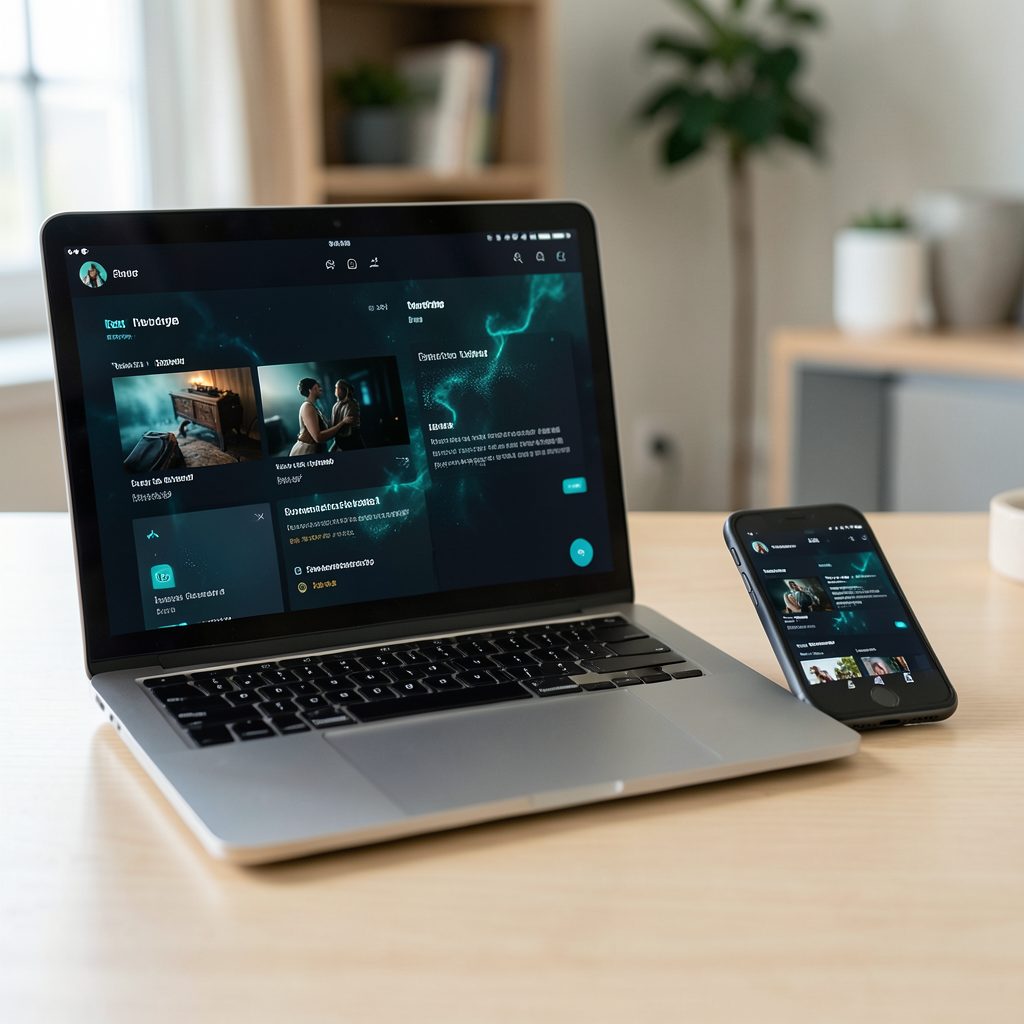
In 2025, compatibility across screens will be one of the clearest measures of a fork’s usefulness. Desktop playback is comparatively easy to maintain, while televisions and mobile devices involve additional requirements such as remote-control navigation, processor limitations, app-store rules, and changing operating-system permissions.
Chromecast, AirPlay, and local network playback may receive more attention as households expect one account or library to work across several screens. However, casting is not always equivalent to native playback. Some devices receive only a video stream, while others require the source application to remain active. DRM restrictions, codec support, and subtitle rendering can also create differences between a phone, laptop, smart television, and streaming stick.
Multi-device use will require careful setup. Users should understand whether an app supports simultaneous playback, whether devices must share a network, and whether a torrent continues to upload while a program is being watched. A practical multi-device guide can clarify network arrangements and playback expectations before someone tries to connect several screens.
Privacy And Security Will Receive More Attention
Privacy will become a central concern as unofficial forks compete for visibility. An installer may include aggressive advertising, unnecessary permissions, bundled software, tracking components, or altered settings. The risk is especially serious when a download is distributed through a mirror that has no clear connection to the project’s developers.
A safer approach begins with basic verification. Users should obtain software from a source with a consistent history, check file signatures or published hashes when available, scan downloads with reputable security tools, and avoid disabling operating-system protections simply to complete an installation. A virtual private network can conceal an internet connection’s destination from some network observers, but it does not make a suspicious application safe and does not remove legal responsibility.
VPN performance will also become more important for users who rely on privacy tools for lawful browsing or torrent-related activity. Server distance, bandwidth limits, connection drops, logging policies, and support for the relevant device all affect the result. Free VPNs may impose data caps, inject advertising, or collect information, so their apparent convenience can come with significant trade-offs.
Legal Pressure Will Influence Availability
The legal position surrounding Popcorn Time depends on what the application accesses, how content is obtained, and the rules in the user’s country. The software name itself does not determine legality. Watching or downloading copyrighted material without permission can create civil or criminal exposure in some jurisdictions, while legitimate public-domain or properly licensed content may be treated differently.
Rights holders have continued to target applications and websites that facilitate unauthorized access. Domains may disappear, repositories may be removed, and hosting providers may respond to complaints. These actions can make a fork difficult to locate even when its developers are still active. They can also push users toward copycat sites that exploit the confusion.
The likely result in 2025 is a smaller number of visible projects and more frequent changes in access. Anyone considering a torrent-based streaming application should check local rules, respect copyright, and avoid assuming that a VPN changes the legal status of an activity. Mainstream subscription platforms, ad-supported services, library lending programs, and authorized free catalogs remain lower-risk options for licensed viewing.
| Area | Likely Direction In 2025 | What Users Should Check |
|---|---|---|
| Fork development | Smaller communities and uneven update schedules | Release history, documentation, and developer transparency |
| Playback | More adaptive quality and external-player options | Buffering behavior, codecs, subtitles, and audio tracks |
| Device support | Greater demand for TV, casting, and multi-screen use | Compatibility with Android TV, Chromecast, AirPlay, and desktop systems |
| Privacy | Stronger interest in VPNs, permissions, and secure downloads | Logging policy, installer source, permissions, and security scans |
| Availability | More domain changes, takedowns, and abandoned mirrors | Whether the source is current, consistent, and independently verifiable |
| Legal exposure | Continued enforcement around unauthorized content | Local copyright rules and the licensing status of each title |
Choosing A Reliable Setup
There is no universal version that will be best for every viewer. A desktop user may prioritize codec support and subtitle controls, while a television user may care more about remote navigation and casting. Someone with a limited data plan may need lower resolution, whereas a home theater user may expect high-bitrate video and surround sound.
The most dependable setup will be the one that minimizes unknowns. Keep the operating system updated, use a separate media device or account where appropriate, review application permissions, and avoid entering payment details into unofficial Popcorn Time pages. If a download requests unusual access, redirects repeatedly, or promises premium content without a credible explanation, treating it as unsafe is sensible.
The table below summarizes the areas likely to separate useful projects from unreliable ones. None of these checks can guarantee a risk-free experience, but together they make it easier to compare a fork with a licensed alternative.
Practical Priorities For 2025
Users can prepare for changes without chasing every new release. The following priorities support better performance, stronger privacy, and fewer surprises:
- Verify the publisher, download source, release date, and available security information before installing a fork.
- Check whether the application supports the intended device, casting method, subtitle format, and external player.
- Use a reputable VPN only as a privacy tool, and do not treat it as permission to access copyrighted material unlawfully.
- Keep personal accounts, payment details, and sensitive files separate from unofficial media software.
- Prefer licensed services and public-domain sources whenever the desired movie or show is available through them.
The most promising Popcorn Time projects will need to offer stability rather than simply a large catalog. Clear updates, responsive troubleshooting, reliable subtitles, and honest explanations of network behavior will build more trust than aggressive claims about unlimited access. Projects that ignore security and licensing concerns may disappear quickly or leave users exposed.
For viewers, flexibility will be more valuable than loyalty to a particular fork. Keep track of legitimate alternatives, learn how casting and multi-device playback work, and evaluate every application on its current behavior rather than its reputation from previous years. Use the information available, verify each download independently, and choose lawful viewing options whenever possible.