

The Differences Between Popcorn Time Forks Explained
Popcorn Time is best understood as a family of related applications rather than one permanently fixed product. The original project attracted attention by combining a streaming-style interface with BitTorrent delivery, but its development history included shutdowns, reappearances, renamed projects, and independent communities. As a result, the name can refer to software with very different code, features, and levels of maintenance.
A fork is a separate version created from an existing codebase or inspired by an earlier project. Some forks preserve the familiar catalog-and-player design, while others change the media engine, update sources, supported devices, or privacy settings. Two applications may look almost identical and still behave differently when searching for titles, loading subtitles, casting video, or handling magnet links.
Understanding those distinctions matters before downloading or installing anything. A fork can have a different security posture, licensing position, platform package, and support community. Availability also changes quickly, so users should verify the project’s current status and consider whether accessing particular content is lawful in their location.
Why Popcorn Time Has So Many Versions
The original Popcorn Time concept was open-source, which made it possible for developers to copy, modify, and redistribute the application. When an original repository disappeared or became inactive, other teams could continue development under a new name. Some forks were genuine maintenance projects; others changed only branding, download locations, or content sources.
This history created a fragmented ecosystem. A fork might be built from an older snapshot, a later branch, or a substantially rewritten client. The result is that “Popcorn Time” does not identify one official release channel with a uniform update process. It is important to inspect the project’s repository, release history, documentation, and community activity rather than trusting the name alone.
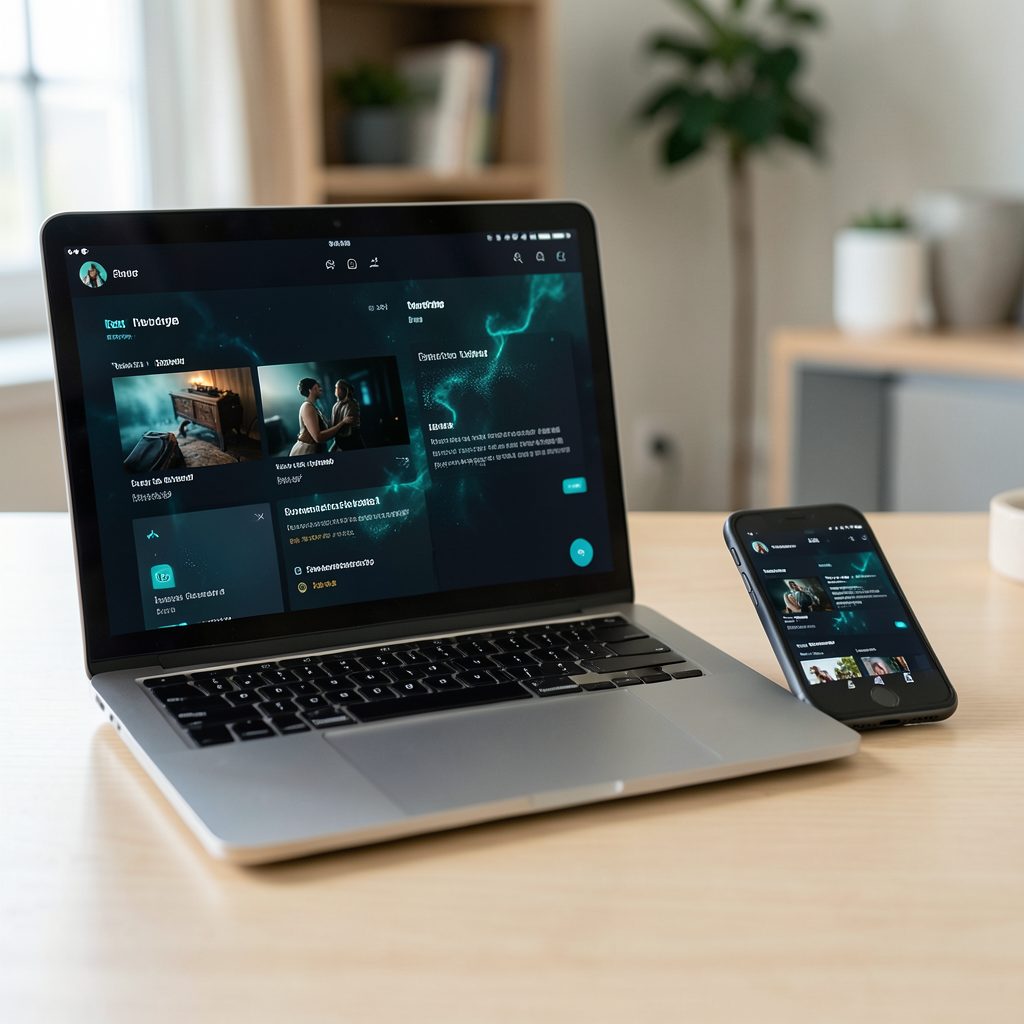
Forks can also differ because they target distinct audiences. One project may concentrate on Windows and Linux desktops, another may focus on Android devices, and another may prioritize macOS compatibility. Some are designed for local playback, while others emphasize streaming to a television through Chromecast or AirPlay.
Codebases, Updates, And Platform Support
The underlying codebase affects almost every practical part of the experience. A newer fork may support current operating-system libraries, modern video codecs, and updated certificate requirements. An older fork can still launch but fail when it connects to catalog services, retrieves subtitles, or communicates with a contemporary media player.
Update frequency is another useful point of comparison. An actively maintained project usually provides recent release notes, fixes for broken providers, and clearer information about supported versions. A dormant application may continue to circulate through download sites even though its search functions, playback sources, or installer packages no longer work reliably.
Platform support should be checked separately for each fork. A desktop build cannot automatically be treated as compatible with Android, iOS, Android TV, or smart televisions. For Mac users, operating-system changes can affect permissions, Gatekeeper checks, codecs, and network access; this macOS setup guide explains the considerations specific to newer Apple systems.
How Forks Differ In Everyday Use
The most visible difference is often the catalog provider. Forks may collect metadata from different databases or use separate torrent indexes and content APIs. This changes the titles that appear in search results, the quality indicators shown for each source, and how quickly newly added releases become available. A familiar poster or title does not guarantee that the underlying source is the same.
Playback is equally important. Some builds rely on an integrated player, while others hand streams to VLC, MPV, or a platform-native player. Integrated players can be simpler for beginners, but external players may offer better subtitle controls, audio-track selection, buffering settings, and codec support. Performance also depends on whether the fork downloads progressively, buffers aggressively, or expects a complete file before playback.
Features that appear secondary can have a major effect on usability. Subtitle language selection, subtitle synchronization, watched-history storage, keyboard shortcuts, resume playback, and parental controls are not implemented consistently. Casting support may use Google Cast, AirPlay, DLNA, or a custom local-network method, and compatibility can vary between a laptop, phone, streaming stick, and television.
Comparing Common Fork Characteristics
The following comparison describes common patterns rather than permanent labels for every project. Forks change over time, and a project that is actively maintained today may become inactive later. Treat these categories as a way to evaluate an application, not as a guarantee about a specific download.
| Area | Older Or Inactive Fork | Actively Maintained Desktop Fork | Mobile-Focused Fork |
|---|---|---|---|
| Operating systems | Often limited to older Windows, macOS, or Linux releases | Usually targets current desktop versions | Built around Android phones, tablets, or Android TV |
| Catalog access | Providers may be broken or outdated | More likely to receive provider fixes | Often optimized for touch and mobile APIs |
| Playback | May depend on obsolete codecs or embedded players | Commonly offers configurable players | May use Android-native playback and hardware decoding |
| Casting | Frequently unreliable or absent | May support Chromecast, AirPlay, or DLNA | Often emphasizes television and mobile casting |
| Updates | Irregular or discontinued | Release notes and active issue tracking are more likely | Update quality varies widely by developer |
| Troubleshooting | Old forum posts and scattered installers | Documentation, logs, and current reports | Device-specific permissions and compatibility issues |
| Risk indicators | Unclear ownership and modified packages | Verifiable source code and release history | Sideloading, excessive permissions, or unofficial stores |
A project’s appearance should not be used as a safety test. A polished interface may be distributed through an unverified package, while a less attractive open-source client may provide clearer documentation. Check the publisher or repository, compare checksums when available, review requested permissions, and avoid installers that bundle unrelated software.
Mobile installation deserves extra care because Android permits applications from sources outside Google Play. The Android installation guide covers practical steps for reducing unnecessary exposure when evaluating an Android build. The same principle applies to desktop downloads: use the project’s verifiable release channel where possible, scan files, and be cautious with repackaged “premium” versions.
Privacy, Networking, And Legal Differences
Forks may handle network traffic in different ways. An application can contact metadata services, subtitle providers, update servers, analytics endpoints, and torrent peers. Privacy policies may be incomplete or absent, especially in projects maintained by anonymous teams. Some forks include telemetry controls; others offer no clear setting for limiting diagnostic data.
A virtual private network can conceal a device’s IP address from peers and may reduce exposure on an untrusted network, but it does not make unlawful activity legal or guarantee anonymity. A VPN provider can still have connection records, and the application itself may send separate requests outside the tunnel if it is misconfigured. Users should understand the provider’s privacy policy, jurisdiction, supported protocols, and kill-switch behavior rather than treating a VPN as a universal solution.
Copyright rules apply to the content and distribution method, not simply to the application’s interface. Streaming or downloading a work through a torrent-based source may be restricted even when the software itself is freely available. Laws differ by country and can change, so users should rely on lawful sources, public-domain works, licensed services, or content for which they have permission.
Choosing A Fork More Carefully
The right evaluation method is to compare evidence instead of chasing the newest file. Start with the project’s last release date and current issue activity, then check whether the documentation matches the operating system or device being used. A clear installation process is useful, but it should not outweigh signs of abandoned code or suspicious distribution practices.
Look at the features that affect actual viewing. Confirm whether the build supports the required screen resolution, subtitle formats, audio tracks, external players, and casting protocol. On a slower device, hardware decoding and adjustable buffering may matter more than a large catalog. On a home theater setup, stable audio passthrough and remote-control support could be decisive.
Useful checks before installation include:
- Verify the project’s publisher, repository, release notes, and download domain.
- Confirm that the build supports the exact operating-system or Android version.
- Review permissions and reject packages requesting access unrelated to playback.
- Test subtitle, player, casting, and resume features with lawful or authorized media.
- Keep the operating system, antivirus tools, and media player updated.
Troubleshooting advice should also be fork-specific. A guide written for one branch may recommend settings or folders that do not exist in another. When playback fails, identify whether the problem is the catalog provider, torrent availability, DNS resolution, subtitle service, media codec, firewall, or casting device. Logs and current issue reports are more reliable than generic instructions copied from an old forum.
What The Future Holds For The Ecosystem
The fork landscape is likely to remain fluid because it depends on volunteer developers, third-party providers, changing operating systems, and shifting legal pressure. A project can lose access to a data source without changing its interface, making it appear functional while searches or playback quietly deteriorate. Likewise, a sudden update may improve compatibility but introduce new permissions or alter the way data is handled.
For that reason, users should distinguish between a recognizable brand and a maintained software project. Check whether releases are signed or otherwise verifiable, whether security issues receive responses, and whether the community explains changes openly. An application that cannot identify its maintainers or provide a trustworthy update path deserves particular caution.
The broader lesson applies to related streaming tools as well. Local media servers, licensed streaming applications, and open-source players may provide similar conveniences with clearer ownership or more predictable support. Comparing those options can help users find reliable playback, multi-device access, and casting features without depending on an uncertain fork.
Before choosing a Popcorn Time-related application, review its development history, platform requirements, privacy behavior, and legal implications. Use the available setup and troubleshooting resources to verify each step, download only from sources you can assess, and favor authorized content. A careful comparison now can prevent incompatible installations, exposed personal data, and avoidable copyright problems later.