


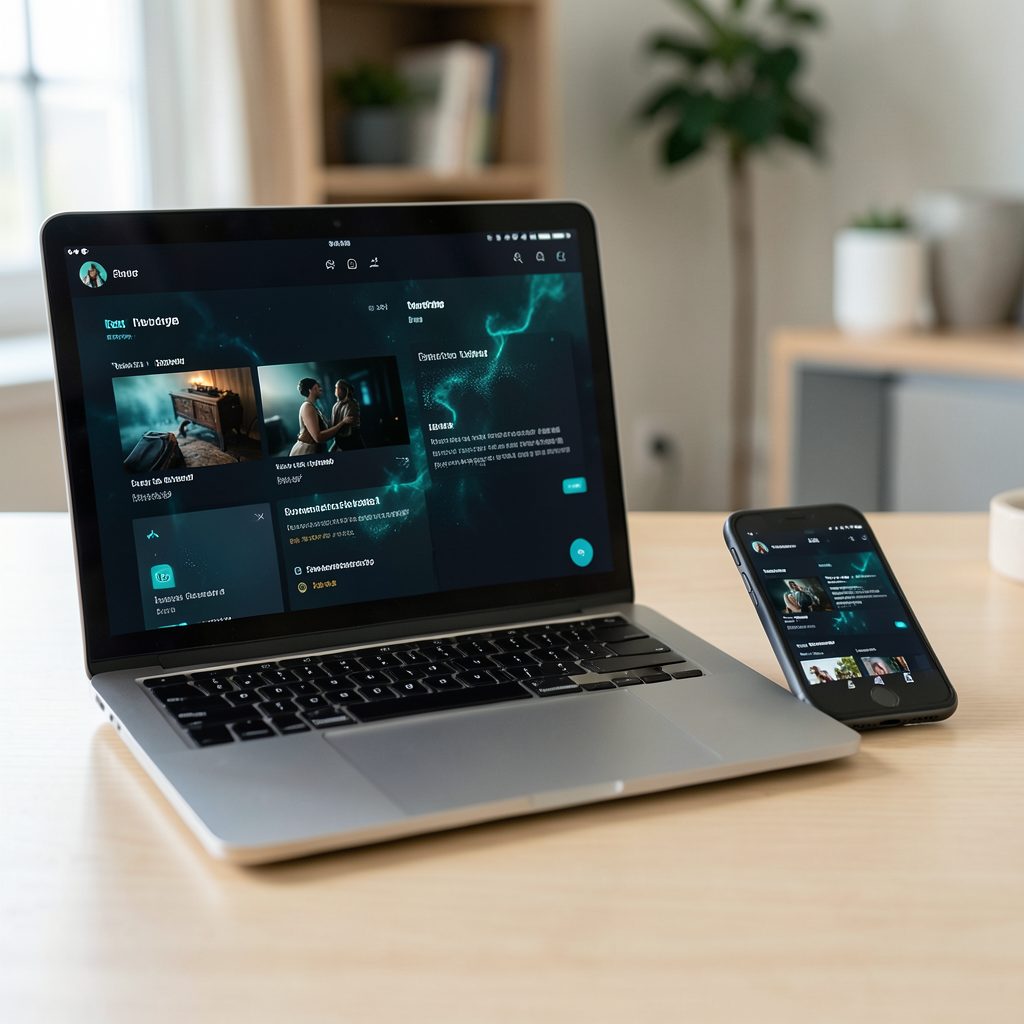
Popcorn Time And Stremio: Choosing The Right Streaming Tool
Popcorn Time and Stremio can look similar at first glance. Both offer a central place to browse movies and television shows, support subtitles, and work across more than one device. Their underlying technology and approach to content, however, are quite different.
Popcorn Time is generally associated with torrent-based streaming. It finds peer-to-peer sources and begins playback while content is downloading in the background. Stremio acts more like a media hub: the application provides the interface, while add-ons determine which catalogs, streams, and services are available.
That distinction affects setup, reliability, privacy, legality, and everyday convenience. Understanding how each platform handles content sources makes it easier to choose a solution that fits your devices and viewing habits.
How The Two Platforms Deliver Video
Popcorn Time is designed around a streamlined torrent-streaming experience. A user selects a title, chooses a quality level or source, and the application retrieves pieces of the video from other peers. This can provide access to a broad range of films and shows, including content that may be difficult to find through conventional subscription services.
The experience depends heavily on the Popcorn Time fork being used and the health of the torrent swarm. Popular files with many active seeders may start quickly and play smoothly. Older or less popular releases can buffer, deliver inconsistent quality, or disappear entirely. The application may also display several releases with different audio tracks, subtitles, file sizes, and resolutions.
Stremio separates the player from the source catalog. Its official app organizes a personal library, search results, watchlists, subtitles, and playback history, but add-ons supply much of the content discovery and streaming functionality. These add-ons may connect to legitimate services, public archives, or third-party sources, so the experience differs according to what is installed.
This modular model gives Stremio considerable flexibility. A user can use it as a unified interface for services they already have, while advanced users can add further providers. It also means that Stremio itself does not guarantee that every stream surfaced by an add-on is authorized or available in every country.
Content Discovery And Library Management
Popcorn Time typically emphasizes immediate discovery. Its interface often presents popular movies, recent releases, genres, ratings, and television categories in a layout built for browsing. Selecting a title usually leads directly to available torrent releases, which makes the path from search to playback short.
This simplicity is one of its main attractions. There are fewer decisions before watching, and many forks include built-in subtitle search, favorites, watched status, and episode tracking. The trade-off is that the catalog and metadata can vary between forks. A project may stop receiving updates, lose access to an index, or change its source providers without warning. Information about current versions and platform compatibility is available through this Popcorn Time resource.
Stremio is stronger as a long-term media organizer. Users can add films and series to a library, follow upcoming episodes, and receive notifications when new content becomes available through configured sources. Metadata is usually presented consistently, which makes it easier to manage a large watchlist or combine several providers in one interface.
Its add-on architecture can also make discovery more comprehensive. A title may show where it is available across multiple services, depending on the installed integrations. However, the initial setup is less immediate than Popcorn Time, because users may need to identify suitable add-ons and understand what each one does.
Device Support And Playback Features
Both applications are intended for more than desktop viewing, although support varies by release. Popcorn Time forks may offer Windows, macOS, Linux, Android, or Android TV versions, while iOS support is often limited, unofficial, or unavailable. Before installing, users should verify that the build comes from a credible project and matches the device architecture.
Stremio generally has a broad official presence across desktop operating systems, Android phones and tablets, Android TV, and selected smart TV environments. Its availability is more consistent because the core application is maintained separately from individual content add-ons. Still, performance can differ between a modern television, a low-powered streaming box, and an older mobile device.
Casting is another area where the two can differ. Depending on the fork and platform, Popcorn Time may support Chromecast or AirPlay directly, through a compatible player, or through a workaround. Stremio can also cast in supported environments, but compatibility depends on the app version, the stream source, network discovery, and whether the receiving device supports the selected format.
Direct playback is often more dependable than casting when a file uses an unusual codec or subtitle format. A television may fail to decode a stream that plays correctly on a computer, while a casting device may need the video to be transcoded first. Testing a short title before planning a long viewing session can expose these limitations.
| Feature | Popcorn Time | Stremio |
|---|---|---|
| Core model | Torrent-based streaming application | Media center with an add-on system |
| Content sources | Peer-to-peer torrent releases | Add-ons and integrated services |
| Setup speed | Usually quick after installation | Requires selecting and configuring add-ons |
| Catalog control | Often built into the fork | Determined by installed add-ons |
| Library tools | Favorites and watched titles vary by fork | Strong watchlists, tracking, and notifications |
| Playback reliability | Depends on seeders and torrent health | Depends on add-on and provider stability |
| Chromecast and AirPlay | Support varies by fork and player | Support varies by platform and source |
| Privacy considerations | Peer connections can expose an IP address | Depends on the add-on, stream type, and network |
| Legal position | Torrent-based sources may raise copyright concerns | The app is neutral; sources determine the risk |
Privacy, Security, And Legal Responsibility
Torrent-based playback creates a different privacy profile from ordinary streaming. When Popcorn Time connects to peers, the IP addresses involved in the swarm may be visible to other participants. A VPN can reduce the exposure of the home connection and may help with privacy on public networks, but it does not make unauthorized distribution lawful or guarantee complete anonymity.
VPN performance also affects playback. A distant server, congested route, or provider that restricts peer-to-peer traffic can cause buffering. Users should examine the VPN provider’s privacy policy, logging practices, supported protocols, and policies on torrent traffic instead of choosing solely on connection speed. A VPN is a privacy tool, not a substitute for checking the copyright status of a source.
Stremio requires a more detailed assessment because the application and its add-ons have different roles. The core media center may be legitimate to install and use, while an unofficial add-on could locate or play copyrighted material without permission. Official integrations and licensed services are generally the safer choice. Users should review the source, permissions, and reputation of every add-on before installing it.
Security deserves equal attention. Unofficial Popcorn Time builds and third-party Stremio add-ons can be abandoned, modified, or distributed through deceptive download pages. Avoid installers that demand unusual permissions, disable security software, or bundle unrelated programs. Keep the operating system and media application updated, and use reputable security tools.
Installation And Troubleshooting
Popcorn Time usually appeals to people who want a short path from installation to playback. After choosing a compatible build, the common steps include installing the application, selecting a title, choosing a release, and adjusting subtitles or playback quality. The available options differ between forks, so a guide covering one build may not apply to another. Check current download guidance before installing software from an unfamiliar mirror.
Common problems include buffering, missing subtitles, failed torrent metadata, black screens, and episodes that stop before completion. Switching to a release with more seeders, lowering the resolution, changing subtitle settings, or restarting the application may help. If every title fails, the issue may involve the network, a blocked provider, an outdated fork, or a broken catalog service.
Stremio’s setup tends to involve more configuration but can be easier to maintain once complete. Install the official client, sign in if desired, review the available add-ons, and configure subtitle preferences. If a title appears without a playable stream, the application may be working normally while the selected add-on lacks a source.
Troubleshooting Stremio often means identifying which layer has failed. If the library loads but playback does not, check the add-on and stream provider. If playback works on a computer but not on a television, inspect codec support and casting compatibility. If subtitles are out of sync, try another subtitle track or adjust the timing in the player.
Which Experience Fits Different Viewers
Popcorn Time is often a better fit for viewers who value a simple, catalog-first interface and are comfortable evaluating torrent sources, privacy settings, and legal restrictions. It can feel faster for casual browsing because the application is built around selecting a title and starting a stream. Its convenience is tied to the health of its sources and the quality of the particular fork.
Stremio is more suitable for users who want a structured media library and the ability to combine different providers. It works well for people who track series, organize watchlists, or prefer a single interface for legitimate streaming services. The add-on system offers flexibility, but that flexibility requires more attention during setup.
Neither platform guarantees universal availability. Regional licensing, device restrictions, source shutdowns, bandwidth limits, and changing software projects affect both options. A useful comparison should therefore focus on how much control the viewer wants over sources and how much time they are willing to spend maintaining the setup.
Practical Factors To Weigh
- Choose Popcorn Time only after checking the legitimacy and reputation of the specific fork and source.
- Prefer official Stremio integrations and investigate every third-party add-on before enabling it.
- Test subtitle support, casting, and video codecs on the device used most often.
- Use a reputable VPN when privacy protection is important, while remembering that privacy does not change copyright rules.
- Keep a legal fallback service or personal media library available when a source is unavailable.
Stremio’s greatest strength is organization, while Popcorn Time’s appeal is direct access to torrent-based streams through a familiar browsing experience. One is an expandable media center; the other is a playback-focused application whose results depend on peer-to-peer availability. The better choice depends on whether convenience, catalog control, library management, or source transparency matters most.
Review the available platform support, confirm the legal status of the content you intend to watch, and install software only from trustworthy sources. Use the relevant setup resources to evaluate Popcorn Time or configure Stremio carefully, then test playback on your primary device before relying on either as your main entertainment hub.