


Popcorn Time And Popcorntime.io Explained
Popcorn Time and popcorntime.io are often treated as two names for the same streaming application, but the relationship is more complicated. Both are connected with software that used BitTorrent technology to make films and television episodes available through a streaming-style interface. The name, however, has been used by multiple projects, websites, and unofficial forks over the years.
The distinction matters when checking download pages, reading setup instructions, or deciding whether a build is trustworthy. A website using the Popcorn Time name may have no connection with the original developers, while an older article may describe software that no longer exists in its previous form.
The safest way to understand the difference is to separate the original project, the popcorntime.io identity, and later community-maintained versions. Platform support, design, update activity, and legal exposure can all vary between these editions.
The Origins Of Popcorn Time
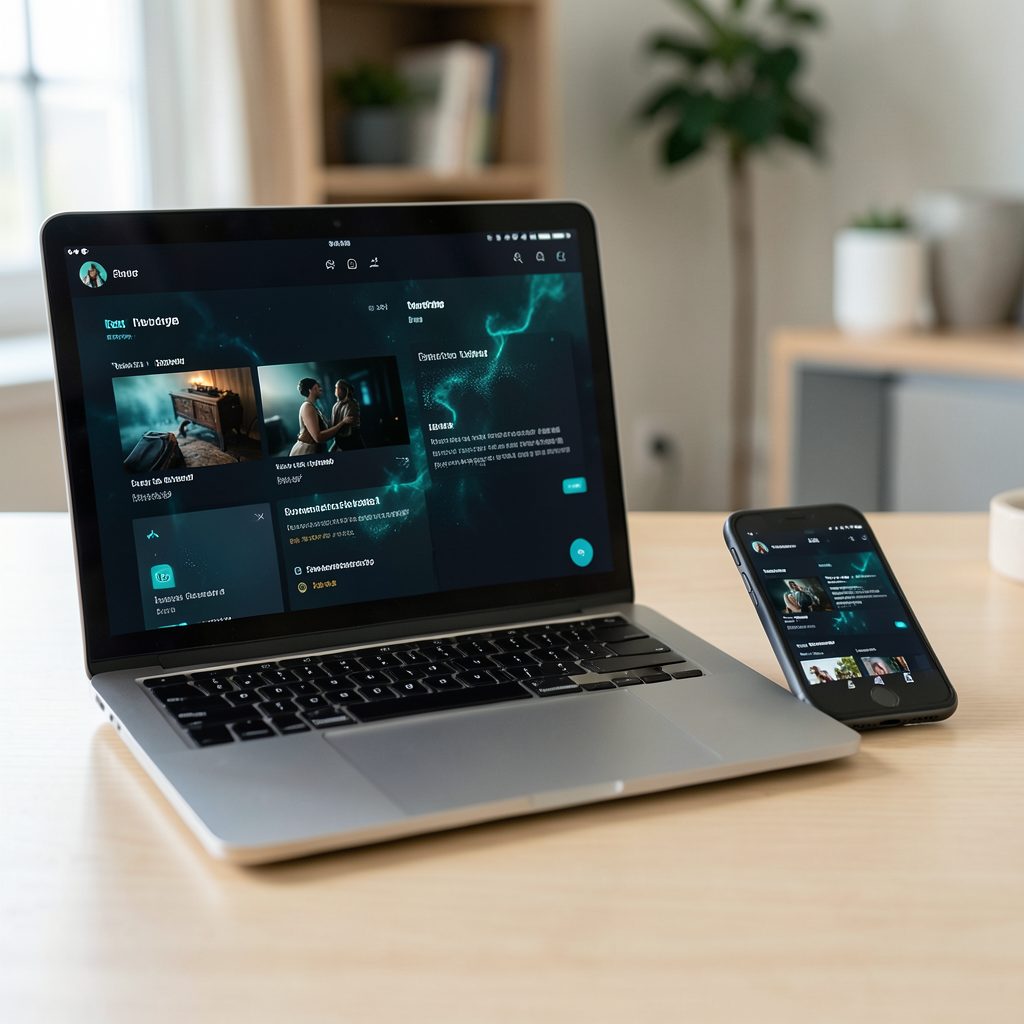
Popcorn Time first became widely known as a desktop application with a catalogue-style interface. Instead of asking users to manage torrent files manually, it searched for torrent sources, selected a stream, and began playing video while data was being downloaded and uploaded through BitTorrent connections.
That approach made the program feel similar to a conventional subscription streaming service. It offered cover art, descriptions, subtitles, and categories in a single interface. The technical model was different from Netflix or other licensed platforms because the video was generally obtained from peer-to-peer sources rather than delivered from an authorised content network.
The original release attracted significant attention and controversy. Copyright complaints, legal pressure, and concerns about unauthorised distribution led to rapid changes in development and hosting. The original code was open source, which made it possible for other developers to create modified versions after earlier projects disappeared.
What Popcorntime.io Represented
Popcorntime.io was primarily associated with a particular phase and community around the Popcorn Time project. The domain became a recognisable home for one prominent version, and many users came to use “popcorntime.io” as though it were the product’s formal name. Technically, though, the domain and the application were not interchangeable concepts.
The software linked with that identity used the same broad idea as other Popcorn Time builds: a visual catalogue connected to torrent-based playback. Its branding, repository, update channel, and supported platforms could differ from those of other projects carrying the Popcorn Time name. When the site or associated development activity changed, other groups continued using similar branding.
This is why old installation guides can be confusing. A page may refer to Popcorn Time, PopcornTime.io, a fork, or a successor without clearly explaining which build it means. A download file from one period may also be unrelated to a file carrying the same name today. The domain should therefore be treated as a historical identifier rather than automatic proof of current authenticity.
Separate Names, Shared Technology
The clearest distinction is that Popcorn Time describes a wider software concept and family of projects, while popcorntime.io identifies a particular website and project identity connected with one stage of that family. They may share code or design ideas, but they should not be assumed to be the same current application.
Forks can change the user interface, catalogue providers, subtitle services, playback engine, and update system. Some focus on desktop computers, while others advertise Android, smart TV, Apple TV, or mobile support. A fork may also remove features, replace broken sources, or introduce new risks through bundled installers and aggressive advertising.
The following comparison gives a practical overview rather than treating every historical release as identical:
| Point Of Comparison | Popcorn Time | Popcorntime.io |
|---|---|---|
| Meaning | A broad name used for an application family and several forks | A domain and project identity associated with a particular Popcorn Time phase |
| Technology | Usually combines a catalogue interface with torrent-based playback | Used the same general streaming-through-BitTorrent model |
| Current status | Varies by fork, repository, and platform | Historical branding; availability and legitimacy should be verified carefully |
| Updates | Depend on the specific maintainer or build | Depended on the development group connected with that domain |
| Platform support | Can range from Windows and macOS to Linux, Android, and TV devices | Support varied by the release and related fork |
| Main risk | Unverified downloads, copyright exposure, malware, and misleading clones | The same risks, with additional confusion caused by outdated links and archived branding |
The name alone cannot tell users whether an installer is safe or whether a stream is authorised. Checking the publisher, release date, source code activity, file signature where available, and independent security reports is more useful than relying on familiar branding.
Platform Support And Device Playback
Platform compatibility has always been one of the biggest differences between Popcorn Time builds. Desktop versions are generally easier to distribute because Windows, macOS, and Linux allow conventional application installation. Mobile systems impose stronger restrictions, and official app stores may reject software that facilitates access to unlicensed content.
iOS support is particularly complicated. Installing an application outside Apple’s normal distribution channels may require sideloading, an enterprise certificate, a developer account, or device modification. These methods can stop working when certificates expire or Apple changes its security controls. This explains why claims of a permanent, one-click iPhone version deserve caution. A guide to Popcorn Time on iOS can help clarify the practical limits without assuming that every advertised installer is genuine.
Television playback also varies. Some versions can send video to a Chromecast-compatible receiver, while others rely on an HDMI connection or a built-in smart TV application. AirPlay support may depend on the operating system, the player used by the fork, and whether the receiving device accepts the video format. Information about Apple TV and AirPlay is useful when checking whether a particular setup can mirror or stream content reliably.
Security, Privacy, And Legal Considerations
The peer-to-peer model creates a different privacy profile from ordinary streaming. When a torrent is active, the device may communicate with other peers, and technical connection information can be visible to participants in the swarm. The application may also store viewing data, cached files, logs, or configuration details locally, depending on its design.
Unofficial forks create another layer of risk. A download page may imitate a legitimate project while distributing modified software, unwanted browser extensions, cryptocurrency miners, or credential-stealing malware. Pop-up advertising and misleading “update” notices are common warning signs. A security scan, reputable download source, and current operating system reduce risk, but they cannot make an untrusted build safe.
Copyright rules also differ by country and by the specific content being accessed. Watching or sharing a title through a torrent-based application may involve unauthorised reproduction or distribution, even if the interface resembles a normal streaming service. A VPN can improve privacy on a network, but it does not grant permission to access copyrighted material or eliminate legal responsibility. Users should check local law and choose content they are authorised to view.
Checking A Build Before Installing
A careful review begins with the project’s identity. Look for a clearly maintained website or repository, recent release notes, transparent developer information, and documentation that matches the installer. Be wary when several unrelated domains claim to be the “official” version, especially if they use urgent language or require an unusual payment.
The installation process should also make sense for the platform. A Windows installer should not demand unrelated browser extensions, and an Android package from an unknown source should not request permissions that have no obvious connection with playback. On Apple devices, a profile or certificate request deserves particular scrutiny because it can grant an outside organisation control over application installation.
When a build fails, the cause may be a broken torrent source, missing subtitle provider, outdated codec, blocked peer connection, or incompatibility with the operating system. Reinstalling random versions is rarely a good solution. First identify the exact fork and version, then check its documented requirements and remove suspicious software before trying another application.
Practical Steps For A Safer Choice
- Verify the publisher, repository, release date, and download checksum when those details are available.
- Use a separate device profile or standard user account instead of granting unnecessary administrator access.
- Keep the operating system, browser, antivirus tools, and media components updated.
- Avoid installers that bundle extensions, request unexplained permissions, or redirect through several download pages.
- Check whether the film or programme is available through a licensed streaming, rental, library, or broadcaster service.
Popcorn Time and popcorntime.io are therefore best understood as connected but distinct labels. Popcorn Time refers to a broader application family, while popcorntime.io points to a particular historical domain and project identity. Later forks may borrow the interface, code, or name without sharing the same maintainers, security standards, or platform support.
Before installing anything, identify the exact software being offered and consider whether its content sources are lawful in your location. Use reliable documentation for device compatibility, treat VPN protection as a privacy measure rather than legal permission, and prefer authorised streaming options whenever they provide the title you want. Then make a deliberate choice based on provenance, security, supported devices, and legal access rather than branding alone.