


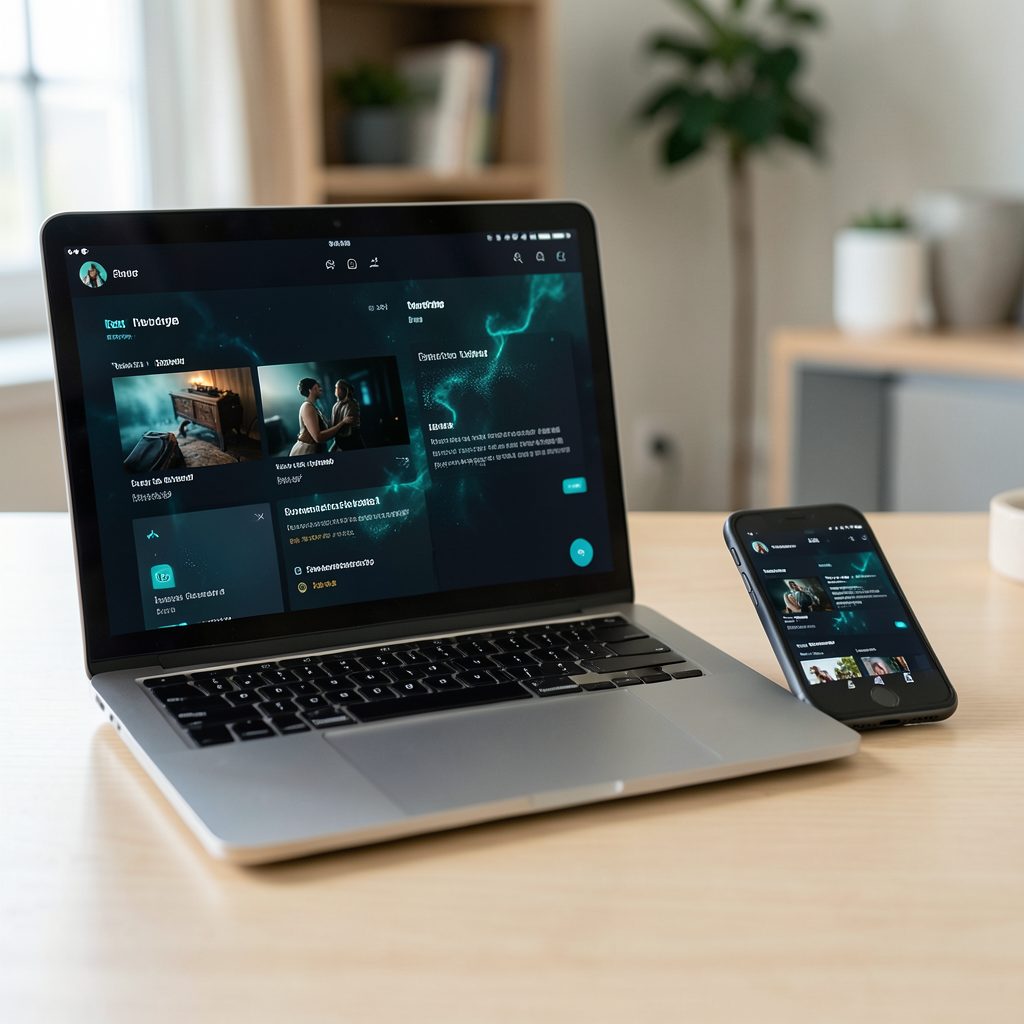
The Complete Guide to Popcorn Time on macOS Sequoia
Popcorn Time has remained a recognizable name in the world of torrent-based streaming, offering a media-library interface that resembles a conventional video-on-demand service. On a Mac running macOS Sequoia, however, the experience depends heavily on which fork you use, whether the application supports your processor, and how carefully you handle downloads and system permissions.
Unlike a centrally managed streaming platform, Popcorn Time projects may change ownership, domains, features, and distribution methods. A version that worked on an older release of macOS may stop launching after an update, while another fork may introduce different playback controls or subtitle support. Treat every download as a security and legal decision rather than as a routine app installation.
This guide explains how to evaluate compatibility, install and troubleshoot a Mac client safely, improve playback, and use external displays. It also covers torrent privacy, copyright responsibilities, and practical alternatives when Popcorn Time is unsuitable for your setup.
How Popcorn Time Works On A Mac
Popcorn Time applications generally use torrent technology to find and stream video content. Instead of receiving a show from one company-owned server, the client obtains small pieces of a file from several peers. The application then presents that process through a catalogue, search function, video player, and subtitle controls.
This model can make playback feel similar to a normal streaming service, but the underlying network activity is different. While a title is playing, your Mac may upload pieces to other users as well as download them. That distinction matters for privacy, bandwidth consumption, and copyright compliance.
There is no single universally maintained Popcorn Time application. The name has been used by multiple forks, and their reliability varies. Before downloading anything, check the project’s current documentation, recent release activity, supported macOS versions, and publisher information. The project’s latest Popcorn Time news can also help you identify changes affecting availability or compatibility.
Checking Sequoia And Hardware Compatibility
macOS Sequoia supports both Apple silicon Macs and many Intel models, but third-party media applications do not necessarily support both architectures equally. An application may be built for Intel, Apple silicon, or both. Apple silicon Macs can often run Intel software through Rosetta, although translation may affect startup time or stability.
To identify your Mac, open Apple menu > About This Mac and check the chip or processor information. Also review available storage, because cached torrent data can occupy far more space than expected. A nearly full startup disk can cause buffering, failed downloads, subtitle errors, and crashes even when the application itself is functioning correctly.
Compatibility also involves macOS security systems. Gatekeeper, notarization checks, firewall settings, and privacy permissions may prevent an older or unsigned app from opening. A warning does not automatically mean the program is malicious, but it should prompt you to verify the source and inspect the developer identity. Never install a random replacement after a search result claims that the original app is outdated.
| Area | What To Check On macOS Sequoia | Common Warning Sign |
|---|---|---|
| Processor | Apple silicon or Intel support | App opens and closes immediately |
| macOS release | Sequoia compatibility in current project notes | Startup crash after a system update |
| Security | Developer identity, notarization, and download integrity | Unexpected Gatekeeper warning |
| Storage | Free space for cache and temporary files | Playback stops or downloads fail |
| Network | Stable connection and reasonable bandwidth | Repeated buffering or peer errors |
| External playback | AirPlay, Chromecast, or HDMI support | Video works only on the Mac screen |
Installing A Popcorn Time Client Carefully
Use a project source that you can independently verify, and avoid download portals that bundle installers with advertising software. A legitimate-looking icon, familiar branding, or a high search ranking does not prove that a file is safe. Check the release date, version number, publisher details, and whether the project documents its macOS distribution method.
After downloading a compatible installer, scan it with reputable security software and open it only if the source is trustworthy. A standard macOS application is commonly delivered as a disk image or archive, but packaging alone is not proof of authenticity. Do not enter an administrator password for an unexplained helper tool, and do not install browser extensions or “codec packs” offered by a streaming client.
If Sequoia blocks the app, read the warning carefully. Do not disable system protections globally, turn off SIP, or paste unverified commands into Terminal simply to force an installation. If the project has a documented verification process, follow that process. Otherwise, remove the file and choose a known legal streaming application instead.
Once installed, review the app’s settings before selecting content. Pay attention to cache location, maximum storage, subtitle language, playback quality, peer or connection limits, and whether the program starts automatically. Restricting cache size and disabling unnecessary launch behavior helps keep the Mac responsive.
Improving Streaming And Playback Quality
Smooth playback depends on more than your internet speed. Wi-Fi interference, slow peers, overloaded trackers, background cloud synchronization, and a congested home network can all cause pauses. For a stable test, close large downloads, pause cloud backups, and connect the Mac to a 5 GHz or 6 GHz Wi-Fi network, or use Ethernet where practical.
Begin with a moderate video quality rather than selecting the largest available file. High-bitrate 1080p and 4K content requires sustained throughput and sufficient decoding power. Apple silicon Macs usually handle modern video formats efficiently, while older Intel systems may struggle with high-resolution files, animated menus, or several applications running at once.
Subtitles can introduce their own problems. If text is out of sync, try another subtitle track, adjust the player’s subtitle delay, or select a different release. Embedded subtitles and separate subtitle files may use different character encodings, so unusual symbols or missing accents can indicate a formatting issue rather than a network fault.
Keep the client and macOS updated when updates come from verifiable sources. If an update breaks playback, record the previous version, error message, macOS build, and Mac model before looking for a replacement. That information is more useful than repeatedly reinstalling unrelated forks.
Using AirPlay, Chromecast, And External Displays
A Mac running Sequoia can send video to a television or receiver through several methods, but support depends on the Popcorn Time fork and the media format. AirPlay may work through a player button, the macOS Control Center, or screen mirroring. Chromecast support may require the application to discover devices on the same local network.
For Apple TV users, the AirPlay and Apple TV guide explains the main connection options and limitations. AirPlay mirroring is often more broadly compatible than direct casting, but it can consume more battery and may show the entire desktop if the application lacks native output support.
HDMI remains the most predictable option. A suitable USB-C, Thunderbolt, or HDMI adapter can provide a direct video connection without relying on device discovery. If sound continues to play through the Mac, open Control Center, choose Sound, and select the television or receiver as the output device.
Privacy settings can affect wireless playback. macOS may request permission for local-network access, and denying it can prevent a casting device from appearing. Make sure the Mac and receiver use the same network, avoid guest networks that isolate devices, and restart both devices before changing advanced settings.
Privacy, VPNs, And Legal Responsibilities
A VPN encrypts traffic between your Mac and the VPN provider and can conceal your home IP address from other network participants. It does not make torrent streaming anonymous, guarantee protection from malware, or transform copyrighted material into legal content. The VPN company may still collect connection information, and performance can fall when the selected server is distant or overloaded.
If you use a VPN for lawful privacy purposes, choose a provider with clear ownership, transparent logging practices, modern protocols, and a reliable kill switch. Test for DNS or IP leaks, and understand that a kill switch may interrupt all internet access if the VPN connection drops. Avoid free VPNs that finance their service through aggressive advertising or the resale of user data.
Copyright rules differ by country and can apply to both downloading and uploading. A title being visible in a catalogue does not establish that it is licensed for torrent distribution in your location. Some internet providers send infringement notices, throttle heavy traffic, or restrict certain services under their acceptable-use policies.
The safest approach is to use Popcorn Time-style software only for content you are authorized to access, such as public-domain works, properly licensed files, or material distributed by its copyright holder. For commercial films and series, check legitimate subscription services, rental stores, broadcaster platforms, library services, or free ad-supported catalogues available in your region.
Diagnosing Common Sequoia Problems
An app that will not open may be incompatible with Sequoia, damaged during download, blocked by Gatekeeper, or missing a required framework. Confirm the Mac architecture, reinstall only from a verified source, and check the project’s release notes. If the application worked before a macOS update, compare its supported versions with the current Sequoia build.
Buffering usually points to network conditions, peer availability, or an overly demanding quality setting. Test another authorized title or a normal streaming service to determine whether the problem is local to the client. Lowering resolution, moving closer to the router, using Ethernet, and limiting other traffic can identify the bottleneck.
For crashes, note whether they occur during launch, search, subtitle loading, or playback. Remove only the application’s documented cache or configuration files, because deleting random folders can remove useful settings or affect unrelated software. Keep personal media and important documents outside the client’s cache directory.
Safer Habits For Everyday Use
- Download software only from a source whose publisher, release history, and documentation can be checked.
- Keep macOS, browser software, security tools, and media codecs updated through trusted channels.
- Limit cache storage and review available disk space regularly.
- Use a strong home-network password and avoid casting from public or isolated Wi-Fi networks.
- Choose licensed, public-domain, or otherwise authorized content and retain proof of legitimate access when appropriate.
Popcorn Time on macOS Sequoia can be technically interesting, but it is less predictable than a conventional streaming application. Fork quality, processor support, macOS security, network conditions, and local law all influence whether it is a sensible choice.
Before installing anything, verify the project and download, check your Mac’s architecture, preserve Sequoia’s security protections, and configure storage and playback settings conservatively. When a client is unstable or the rights to a title are unclear, use a licensed alternative rather than trying to bypass a warning or system restriction. Review current compatibility information and make an informed, lawful choice before proceeding.