


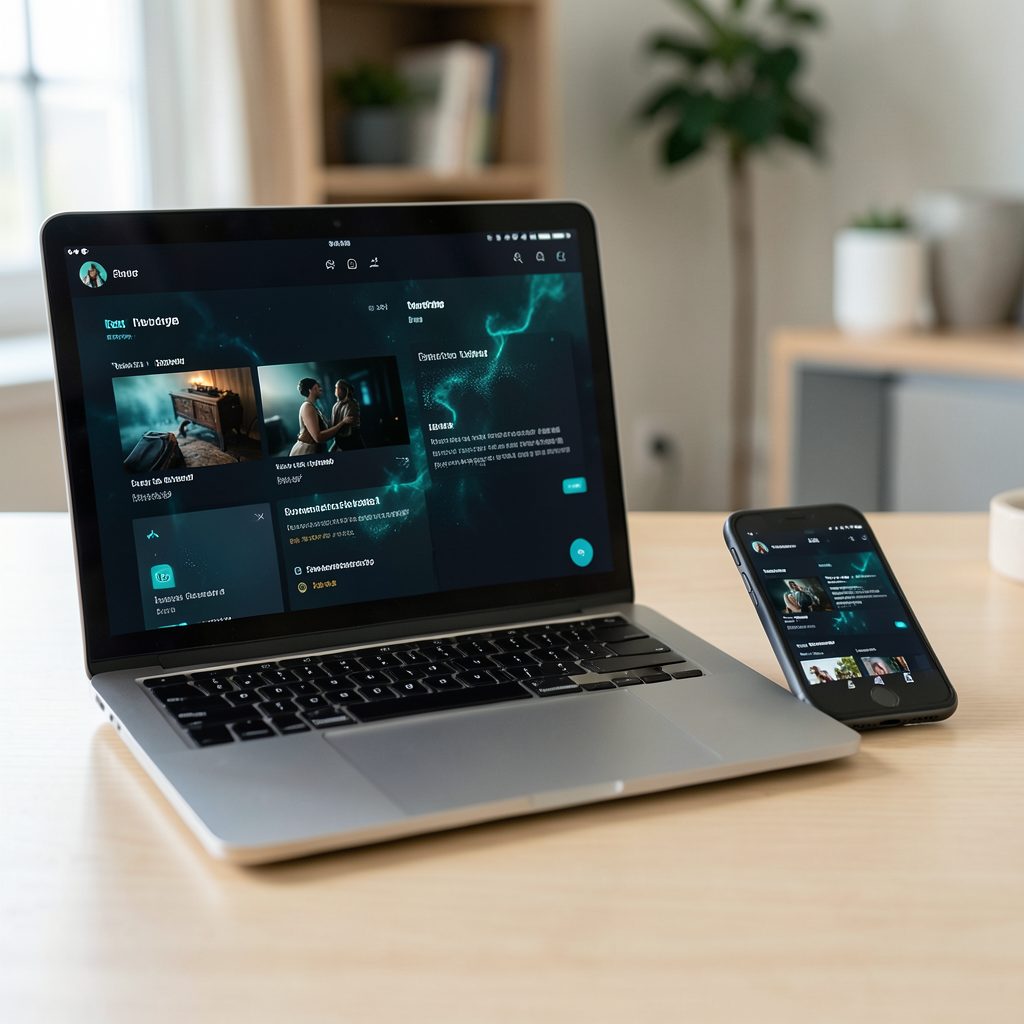
The Best Popcorn Time Extensions for an Enhanced Experience
Popcorn Time is often associated with its simple catalog, torrent-based playback, and familiar streaming-style interface. The core application can be useful on its own, but the overall experience depends on the extensions, providers, media tools, and device integrations available in a particular fork. These additions can improve discovery, subtitles, playback quality, and compatibility across screens.
The word “extension” covers several different technologies in the Popcorn Time ecosystem. Some add-ons supply metadata or subtitle files, while others connect the app to external players, casting devices, media servers, or privacy tools. Availability can change quickly because different forks use separate repositories, APIs, and development teams.
Before installing anything, check whether an extension is compatible with your Popcorn Time version and operating system. Avoid packages from unknown download pages, review the permissions requested by third-party tools, and remember that copyright rules differ by location. A technically convenient setup still needs to be used responsibly.
What Counts As A Popcorn Time Extension
An extension is any optional component that expands what the main application can discover, display, or play. In some forks, add-ons appear in a dedicated settings menu. In others, the same function is built into the program as a provider, plug-in, repository, or external service. This variation explains why an add-on that works on Windows may be absent from an Android TV release.
The most useful extensions tend to solve a specific problem. Subtitle providers improve accessibility, metadata services make a library easier to browse, and external-player integrations can handle formats that the built-in player struggles with. Casting tools extend playback to a television, while tracking services synchronize viewing activity across devices.
Compatibility should be considered before popularity. An extension with many features may consume extra memory, send data to additional services, or break after an API change. Lightweight, actively maintained components are generally more dependable than large bundles that install several unrelated tools at once.
Subtitle And Metadata Add-Ons
Subtitle extensions are among the most practical upgrades for regular viewing. They can locate subtitles in multiple languages, match files to the correct release, and provide alternatives when the default result is poorly synchronized. Some providers also support hearing-impaired captions, though the quality and availability of these files vary considerably.
Accurate matching depends on more than the movie or episode title. The extension may compare release names, season and episode numbers, file hashes, language settings, and frame rates. If subtitles appear too early or too late, selecting another release match is often more effective than repeatedly adjusting the timing manually.
Metadata add-ons improve the browsing side of the experience. They can supply posters, cast information, ratings, genres, episode descriptions, trailers, and recommended titles. A well-configured metadata source makes a large catalog feel organized, while a failing service can leave blank artwork or outdated descriptions throughout the application.
Users should treat ratings and summaries as convenience data rather than authoritative recommendations. Metadata providers can use different databases and update schedules, so titles may have inconsistent names or release dates. Clearing the application cache after changing a metadata source can also help when old artwork remains visible.
Source Providers And Backup Catalogs
Source providers determine how a Popcorn Time fork locates available streams or torrent entries. Adding a reliable provider can improve search coverage, show more quality options, and reduce the number of titles that return no playable results. The provider itself does not guarantee that every listed source is safe, legal, or available in a specific country.
A common problem occurs when a built-in provider becomes unavailable. Its API may be discontinued, its domain may stop responding, or the fork may no longer support its data format. Carefully selected backup sources can make the catalog more resilient, but too many inactive providers may slow searches and create duplicate results.
For practical setup guidance, the backup sources guide explains how additional sources can be configured for broader catalog coverage. Follow instructions designed for the exact fork and version in use, since menu names and repository formats are not universal.
Source extensions deserve extra caution because they may connect to unfamiliar domains or expose network activity to third parties. Keep security software current, avoid executable files from unverified mirrors, and do not assume that an item appearing inside the app has been reviewed for copyright status or malware risk.
| Extension type | Main benefit | Common limitation | Best use |
|---|---|---|---|
| Subtitle provider | More languages and caption choices | Timing or translation can be inconsistent | International films and accessibility |
| Metadata service | Better posters, descriptions, and discovery | APIs may change or rate-limit requests | Organizing a large library |
| Source provider | Wider search coverage and quality options | Results may be inactive or legally restricted | Improving catalog resilience |
| External player | Broader codec and audio support | Requires another installed application | Difficult video files |
| Casting integration | Playback on a TV or speaker system | Devices must share a compatible network | Living-room viewing |
| Tracking service | Cross-device watch history | Account and privacy settings are required | Managing ongoing series |
External Players And Playback Controls
The built-in player is convenient, but it may not support every video container, subtitle format, audio codec, or hardware acceleration mode. An external-player extension can pass a stream to a compatible application such as VLC or another trusted media player. This is especially useful when video plays without sound, subtitles fail to load, or the picture stutters.
External playback also offers more detailed controls. Users may gain audio-track selection, subtitle styling, playback-speed adjustment, deinterlacing, equalizer settings, and improved buffering behavior. The trade-off is that the viewing experience becomes less seamless because the catalog app and the media player operate separately.
Hardware support matters as much as software support. A modern desktop may decode high-resolution video smoothly, while an older streaming stick may struggle with the same file. If playback is unstable, testing a lower resolution, disabling unnecessary post-processing, or choosing a release with a more compatible codec can help.
Keep the external player updated through its official distribution channel. Avoid installing codec packs or “performance boosters” from random sites, since these packages can introduce unwanted software and rarely solve problems caused by a weak device, overloaded network, or incompatible source.
Chromecast, AirPlay, And Multi-Device Viewing
Casting extensions connect Popcorn Time with televisions, receivers, and wireless speakers. Chromecast support is useful for sending playback from a phone, tablet, or desktop to a compatible display. AirPlay integration serves users in Apple-oriented households, although support depends on the fork, device generation, operating system, and media format.
A cast request does not always mean that the original device is sending the entire picture. Some systems ask the receiving device to fetch the stream directly, while others mirror or relay playback through the sender. This difference affects battery use, network traffic, subtitle behavior, and whether the target device can decode the chosen file.
For reliable casting, place the source device and receiver on the same local network, disable aggressive power-saving settings, and check that guest-network isolation is not blocking device discovery. A wired connection for the television or streaming box can reduce interruptions even when the mobile device remains on Wi-Fi.
Multi-device playback works best when the extension preserves watch position and settings. Trakt-style tracking or account-based synchronization may help users move between a desktop, phone, and television, but it also creates additional privacy considerations. Review account permissions and disable synchronization that is unnecessary for the way the application is used.
Privacy, VPN, And Network Extensions
Privacy tools are frequently discussed alongside Popcorn Time because torrent-based applications can expose connection details to peers and other network participants. A reputable VPN may encrypt traffic between the device and the VPN server, conceal the home IP address from some observers, and provide controls such as a kill switch or automatic connection.
A VPN is not a complete security solution. It does not make infringing activity lawful, prevent malware in downloaded files, or guarantee anonymity. The provider can still process connection information, and performance may decline when the selected server is distant or heavily loaded. Read the provider’s privacy policy instead of relying solely on marketing claims.
Network extensions can also include proxy settings, DNS tools, bandwidth controls, and local streaming options. These features may help with routing or playback, but incorrect configuration can cause slow searches, failed connections, or DNS leaks. Test changes one at a time so that the source of a new problem remains clear.
Legal requirements should guide every configuration decision. Use Popcorn Time and related extensions only with content you are authorized to access, and check the rules in your country before enabling torrent-based features. A privacy tool can protect a connection, but it does not replace informed and lawful media use.
Practical Choices For A Stable Setup
The best combination is usually small and purposeful. Installing every available extension can produce duplicate search results, conflicting subtitle matches, longer loading times, and more opportunities for a broken service to affect the application. Start with the features that address a real need, then test each addition before installing another.
Use the following selection principles when refining a Popcorn Time setup:
- Choose extensions that support the exact fork, version, and device in use.
- Prefer transparent, actively maintained sources with clear documentation.
- Add one provider or playback tool at a time so problems are easy to isolate.
- Keep subtitles, media players, and casting software updated from trusted channels.
- Review privacy settings and local copyright requirements before enabling network features.
Troubleshooting is easier when the configuration remains simple. If a catalog becomes slow, temporarily disable extra providers. If a cast session fails, test the same title with a smaller file or a different player. If subtitles disappear, check the language preference, release match, and file naming before reinstalling the entire application.
A backup configuration can be useful, but it should be documented. Record which provider, subtitle service, player, and casting method worked on each device. This makes it easier to restore a setup after an update and prevents repeated downloads of questionable packages.
Use these extensions as focused tools rather than a collection of must-have extras. A dependable subtitle source may improve viewing more than a dozen experimental add-ons, while a well-supported external player can solve problems that no catalog extension can address. Security, compatibility, and lawful access should remain the foundation of every choice.
Explore the available Popcorn Time setup resources, compare features with the capabilities of your fork, and install only the components that add genuine value. With careful testing and sensible privacy practices, extensions can make browsing, playback, and multi-device viewing more consistent without turning a simple media application into an unstable collection of plug-ins.