
Using Google Drive and Dropbox Alongside Popcorn Time
Popcorn Time is designed around torrent-based playback, while Google Drive and Dropbox are cloud storage platforms. That difference matters: neither service automatically turns Popcorn Time into a cloud streaming client, and most current forks do not offer a reliable built-in connection to personal cloud accounts. In practice, cloud storage is more useful for organising lawful video files, moving media between devices, or supplying a compatible player for casting.
This arrangement can be convenient for households spread across Sydney, Melbourne, Brisbane and regional Australia, where internet quality and data allowances vary widely. It can also reduce the need to keep large files on a laptop. However, copyright, account security, storage quotas and network performance should be considered before treating a cloud folder as a personal media library.
How Popcorn Time Differs From Cloud Playback
Popcorn Time generally finds torrent metadata, connects to peers and begins downloading pieces while playback takes place. Google Drive and Dropbox work differently. They store files on remote servers and deliver them through an authenticated web or application interface. A shared video in Drive is therefore not automatically visible to a Popcorn Time fork, because the application would need specific cloud API support.
Some unofficial builds may advertise Drive, Dropbox or WebDAV compatibility, but these features can be incomplete or risky. A fork might request broad account permissions, stop working after an API change, or expose login credentials through poorly maintained code. Compatibility can also differ between Windows, macOS, Android TV and mobile devices.
The practical model is to keep the two systems separate. Use Popcorn Time only where its own supported playback system applies, and use Google Drive or Dropbox with a standard media player for video files you are entitled to store and watch. This separation makes troubleshooting easier and avoids assuming that a cloud account can act as a torrent source.
Storing Lawful Video Files in the Cloud
Google Drive is convenient for users already relying on a Google account, while Dropbox offers straightforward folder synchronisation across computers and phones. Both can store personal recordings, public-domain films, properly licensed downloads and other material for which you have permission. Before uploading, check the copyright status and the service’s acceptable-use rules.
Cloud playback usually works through a browser, the official mobile application or a compatible third-party player. Select a video file, allow it to buffer, and choose an available cast or share option. The exact controls depend on the file type, account plan and device. MP4 files encoded with common H.264 video and AAC audio are generally easier to play than unusual containers or high-bitrate formats.
A cloud file may still be downloaded temporarily during playback. This means it can consume local storage, mobile data and battery power even when the file appears to be streaming. On a fixed NBN connection, that may be unimportant; on a prepaid mobile plan in regional Queensland or Western Australia, repeated playback can become expensive.
Moving Media Between Devices
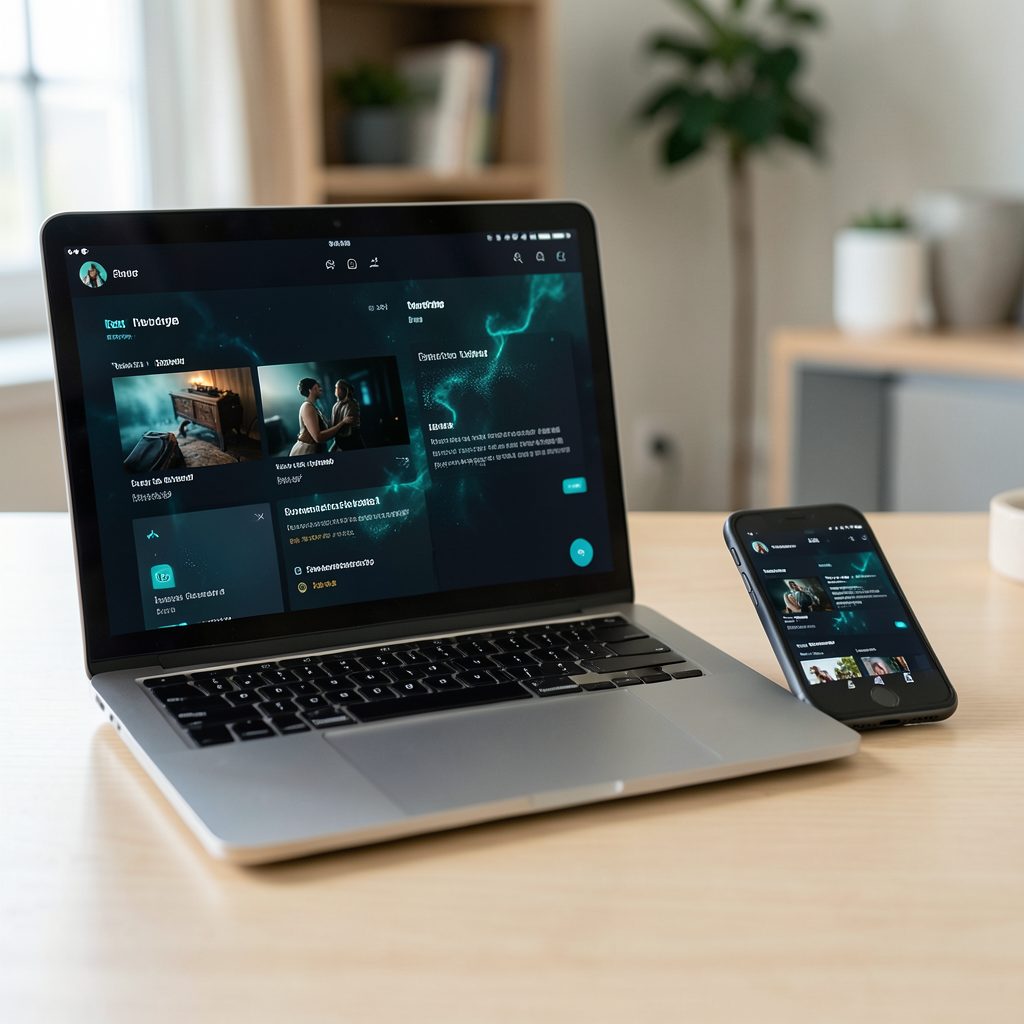
Cloud folders can act as a convenient bridge between a desktop computer and a television. Upload a permitted file from a computer, wait for synchronisation, then open it from the Drive or Dropbox application on an Android TV device, Apple TV companion app or phone. From there, casting to a Chromecast or sending video through AirPlay may be possible, provided the application and television support the same format.
A shared account is rarely the best arrangement for a family. Instead, use controlled sharing and separate profiles where available. A housemate in Melbourne might need viewing access without permission to delete files, while a family member in Perth may need an offline copy for travel. Review folder permissions regularly and remove old links that were sent through messaging apps.
Offline mode is useful on flights, trains and patchy regional connections, but it may create duplicate copies that are easy to forget. Set a clear folder structure, such as “Personal Recordings,” “Public Domain,” and “Licensed Media,” and remove temporary downloads after viewing. This also helps prevent a cloud account from filling unexpectedly.
Changing Download Locations Safely
Popcorn Time forks may save temporary torrent pieces and completed files to different locations. Moving that directory can preserve space on a small SSD, keep media on an external drive, or make it easier to organise lawful files before transferring them to cloud storage. The setting is usually found under Preferences, Downloads or Storage, though menus vary between forks.
For a practical walkthrough, see this guide to changing the download directory. Create the destination folder first, confirm that the application has permission to write to it, and leave sufficient free space for both incomplete and completed files. An external drive should remain connected before launching the application.
Cloud synchronisation should be configured carefully. If Dropbox or Drive watches the same folder that Popcorn Time uses for incomplete downloads, it may upload fragmented files, generate duplicate versions or consume bandwidth while a file is still changing. A safer workflow is to use a completed-files folder for lawful content, then copy finished items manually into a cloud-synchronised directory.
Bandwidth, Playback and Australian Networks
Video quality has a direct effect on cloud performance. A high-definition file can use several gigabytes over a full film, while 4K playback may require sustained speed and a generous data allowance. Congestion during evening hours can affect users in apartment buildings in Sydney or Melbourne, and fixed wireless or satellite connections may behave differently from fibre or standard NBN services.
Test the file on the target device before assuming that cloud playback is failing. If the browser plays audio without video, the codec may be unsupported. If playback pauses every few minutes, reduce quality, wait for more buffering or download the file for offline use. A wired Ethernet connection to a television or streaming box can be more reliable than Wi-Fi through several walls.
Casting adds another layer. The phone may act as a remote control while the television fetches the file directly, or the phone may transmit the stream itself. The second method can drain a battery and fail when the screen locks. Keep the phone and receiver on the same home network, update both applications and check that a guest Wi-Fi network is not isolating connected devices.
Privacy, VPNs and Copyright Responsibilities
A VPN can encrypt traffic between a device and a VPN provider, which may be useful on public Wi-Fi and can reduce exposure to local network operators. It does not make copyright infringement lawful, provide permission to redistribute a film, or guarantee anonymity. VPN services also differ in speed, Australian server availability, logging policies and support for smart TVs.
Readers comparing providers can review VPN options for Popcorn Time, but should assess the provider’s current privacy policy and terms rather than relying on a compatibility list alone. Avoid free VPNs that monetise browsing data, impose severe data limits or install questionable software. A VPN should be treated as a privacy and network-security tool, not a licence to use unauthorised sources.
Australian copyright law can apply to downloading, sharing and communicating protected material, including content obtained through torrent networks. Rights holders and internet providers have pursued enforcement and site-blocking measures in Australia, and the legal position can depend on the specific activity and permission involved. Cloud storage does not remove those obligations: uploading an unauthorised copy or sharing its link can create additional exposure.
Protect the cloud account as carefully as the media device. Enable multi-factor authentication, use a unique password and review connected applications. Do not grant an unverified Popcorn Time fork access to an entire Drive or Dropbox account. If an application demands broad permissions for a feature that could be handled by a local file picker, cancel the setup and use a more controlled method.
A Reliable Setup for Home Viewing
A sensible setup uses Popcorn Time only for its supported functions and a separate cloud-compatible player for lawful personal media. Keep applications updated, download them from sources you trust, and inspect permissions before installation. Because forks can disappear or change behaviour, preserve important personal files outside the application’s folders and avoid relying on a single unmaintained build.
For cloud playback, start with a small test file. Confirm that the account can open it, the television or player supports its format, casting works on the home network and the connection can sustain the chosen resolution. Once the test succeeds, move larger files and organise them into folders with clear access rules.
This approach also makes it easier to use different devices. A laptop can upload and manage files, an Android phone can initiate a cast, and a television can handle playback. AirPlay may suit an Apple household, while Chromecast may be more convenient for mixed Android and Google TV equipment. Keep the cloud app, receiver firmware and media player current so that authentication and casting protocols remain compatible.
Cloud storage is best viewed as a secure, flexible filing cabinet for authorised media, not as an extension that automatically integrates with every Popcorn Time release. Separating torrent playback from Drive or Dropbox, checking local copyright requirements and testing network conditions will produce a smoother experience with fewer account and privacy risks.
Choose a lawful media source, secure your cloud account, and test one compatible file before building a larger library. Use folders and permissions deliberately, keep temporary downloads under control, and rely on current device documentation when setting up Chromecast, AirPlay or another living-room player.