

Popcorn Time vs Zona: two torrent streamers compared
Australians who cut the cord often notice the same frustrating pattern: the latest shows arrive on streaming services weeks or months after their US premiere, and a surprising amount of catalogue content simply never shows up locally. Sydney-based viewers regularly complain about licensing windows, while folks in regional Queensland or Tasmania deal with slower NBN connections that make legitimate 4K streams a stretch. Melbourne cinephiles who frequent the Astor or ACMI know the feeling of hunting down films that never get a local distribution deal, and Brisbane share houses frequently swap tips about which app is the most reliable. Against that backdrop, it's easy to see why peer-to-peer streaming tools remain a topic of conversation in lounge rooms from Perth to Cairns. Two names that come up most often are Popcorn Time and Zona, both slick-looking apps that wrap BitTorrent technology in a Netflix-style interface.
Popcorn Time first appeared around 2014 and quickly gained attention for turning torrenting into something that felt as casual as picking a movie off a shelf. The name is deliberately playful, since the project wanted to challenge the assumption that torrenting required technical skill. Zona followed a slightly different path. Built by a Russian development team, it has carved out a loyal following, particularly across Eastern Europe and parts of Asia. Even though both apps do essentially the same job, the way they handle content discovery, device support, and community contributions varies more than most people expect. Anyone weighing one against the other should look closely at the differences, especially given Australia's somewhat strict approach to copyright enforcement and the country's habit of treating anything piracy-adjacent with extra suspicion.
Origins and development philosophies
The story behind Popcorn Time is almost as interesting as the software itself. The original Buenos Aires project was shut down within weeks of launching, but the open-source code spawned dozens of community-maintained forks. Today, the most active versions are maintained by volunteers scattered across Europe, North America, and yes, even a handful of Australian contributors who patch things up for local subtitle files and time-zone quirks. Each fork tends to focus on different priorities, ranging from privacy tweaks to better Android performance on mid-range Samsung phones sold at JB Hi-Fi.
Zona took a different route. Rather than being open-source from day one, the app is run by a centralised team that pushes updates through its own channels. That gives the developers tighter control over features and default settings, which some users appreciate and others find restrictive. Because Zona was built first for Russian-speaking audiences, the interface grew out of an ecosystem where fast, ad-light streaming was already expected. English support has improved dramatically over the last few years, but Russian remains the application's first language under the hood, which sometimes leaks through in categories and metadata fields that have not been fully localised.
Interface, search and daily use
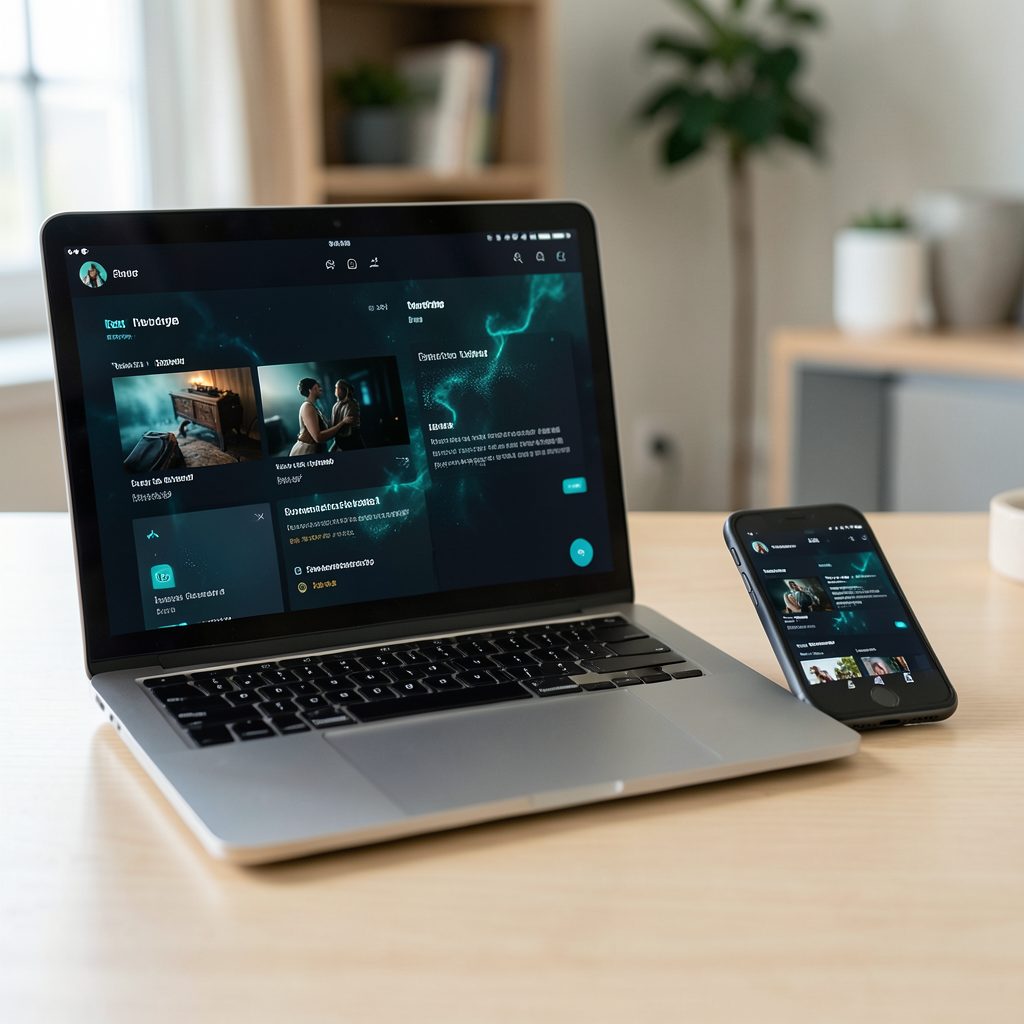
Opening Popcorn Time feels familiar to anyone who has used a major streaming service. Posters fill the screen, trailers play in a small preview window, and a simple sidebar lets you filter by genre, year, or rating. Subtitle handling is automatic for most popular releases, which is handy for Australians watching imports from Korea, Spain, or Scandinavia late at night in the arvo. The app remembers where you left off across sessions, and quality selection happens before playback begins, so you don't have to fiddle with buffering mid-film.
Zona's interface borrows heavily from the same playbook but adds a few touches of its own. There is a dedicated TV mode for users who hook their laptop up to a big screen, and the search bar pulls metadata from several torrent indexes at once. That sounds great in theory, although in practice it can produce a wall of low-quality results that you have to filter through manually. Popcorn Time tends to do a bit more curation behind the scenes, surfacing better-quality releases at the top of search results. For an Australian viewer sitting down after a long shift in the Pilbara or at the office in the CBD, that extra polish often matters more than the raw feature list suggests.
Content libraries and what's actually watchable
Both apps aggregate the same basic pool of torrents, so the underlying catalogue is similar. What differs is how that catalogue is presented and which categories get extra attention. Popcorn Time leans heavily into mainstream Hollywood releases with strong metadata, while Zona occasionally surfaces a deeper bench of European cinema that might otherwise slip past casual viewers. Italian psychological thrillers from the 1970s through to recent releases, for example, tend to show up more reliably in Zona's browseable lists than in some competing streamers, which makes it a fun side door for film buffs interested in this classic Italian thrillers selection alongside more familiar Hollywood titles.
Availability still shifts based on what people are sharing, so neither app can guarantee a specific title at a specific moment. Australian users should keep in mind that release patterns often follow European and North American schedules, meaning a Tuesday morning in Melbourne might be the best time to catch a Sunday night premiere elsewhere. Both apps update their libraries continuously, but Popcorn Time's forks tend to refresh metadata faster, which can matter when you are chasing the latest episode of a show that has not yet landed on local Netflix or Stan.
Device support, casting and beyond
Popcorn Time wins on breadth when it comes to devices. Official builds cover Windows, macOS, Linux, and Android, and there are community efforts supporting iOS, Apple TV, Chromecast, and even some smart TV platforms. Setting up wireless streaming to a television is one of the most common questions from new users, and the documentation for hooking an iPhone or iPad up through AirPlay is straightforward, as laid out in this AirPlay setup guide. Chromecast support is more hit-and-miss, depending on which fork you install, but generally works on stable home networks.
Zona's reach is narrower. Windows is the primary target, Android gets a functional build, and iOS users have historically had to look at sideloaded options that come with extra risk. Casting from Zona is limited to whatever the operating system supports natively, so Android users can mirror to a Chromecast with relative ease, while Apple households have fewer built-in paths. For Australians in share houses where everyone owns a different device, that kind of cross-platform flexibility can be a deciding factor when choosing which app to install first.
Legal standing, safety and the Australian angle
Neither app is legal in the strict sense, and both sit in a grey area depending on the country and the way they are used. In Australia, the Copyright Act is enforced through ISPs, rights-holder organisations, and at times the Australian Communications and Media Authority. Downloading or streaming copyrighted material without permission can expose households to infringement notices, which ISPs forward on to account holders. The practical risk varies year to year, but anyone in the country using these tools should treat privacy as more than an afterthought.
Both Popcorn Time and Zona ship with different default privacy settings. Some Popcorn Time forks route traffic through built-in proxies, while others assume the user will handle protection separately. Zona's centralised approach makes it harder to verify exactly what traffic looks like on the network. For Australians who want to keep their viewing habits to themselves, pairing either app with a reputable VPN is a sensible step, particularly since geo-restricted VPN services are now widely advertised on Australian telco plans. Beyond legal exposure, there are also ad-injection risks and malicious fork concerns on both sides of the comparison, so sticking to well-known community builds is the safer path.
Whichever tool you decide to try first, take a few minutes to read up on safe setup, subtitle configuration, and device compatibility before pressing play. Our download guides walk through the latest stable builds for Windows, macOS, Android, and Linux, and our troubleshooting section covers the most common hiccups reported by Australian users, from NBN upload limits and Telstra DNS quirks to Apple TV pairing issues that pop up after a router firmware update. Bookmark the site and check back regularly, because forks evolve quickly and the recommended version today may be different from the one we suggest in a few months' time.