


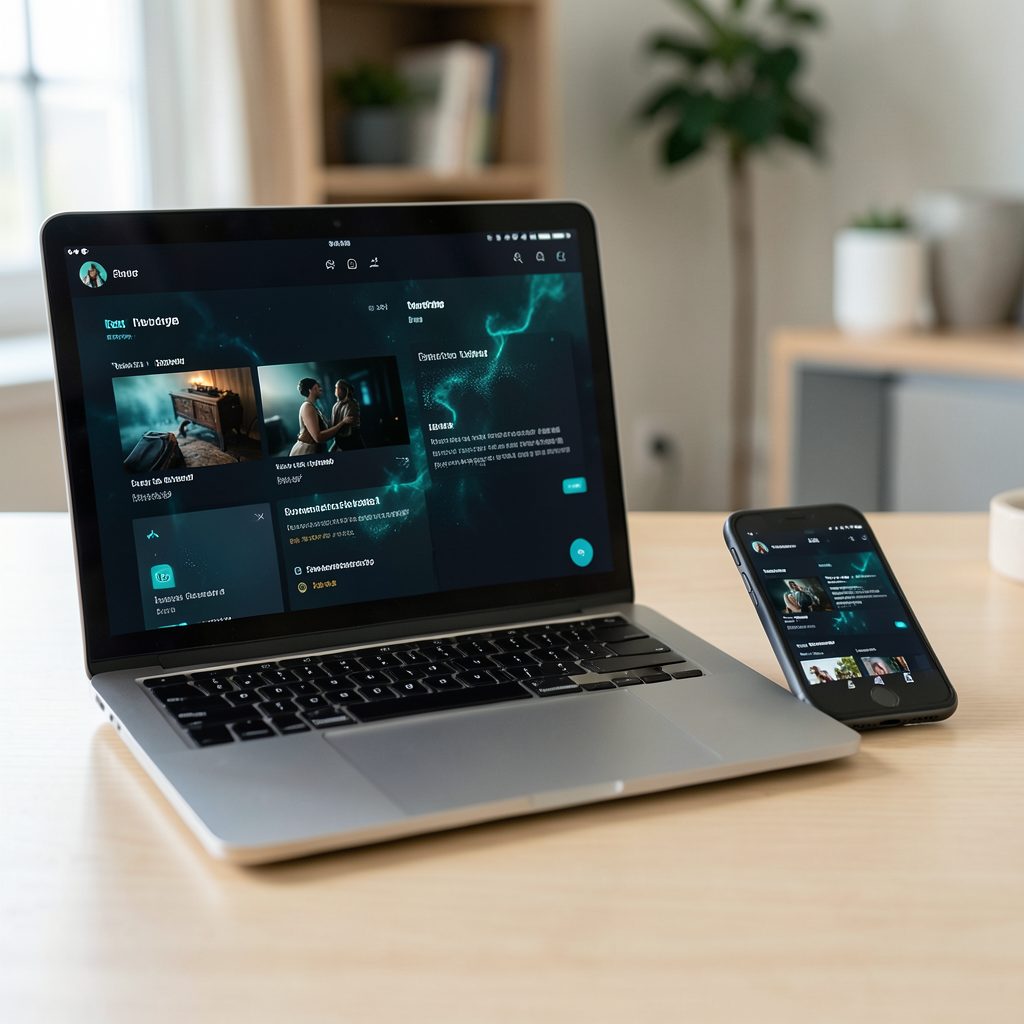
Popcorn Time vs Weyd: library management and quality compared
Popcorn Time has lived through a long string of community forks since the original project went quiet in 2014, and Weyd sits among the more curious entries in that family tree. Built on the same BitTorrent-powered streaming concept, Weyd tried to modernise the experience with a cleaner interface, smoother playback engine and a different approach to organising the catalogue. Anyone in Sydney or Melbourne who has relied on Popcorn Time for years will recognise the layout, but the underlying mechanics differ enough that the choice between them is worth unpacking.
The question of library management and streaming quality is really about day-to-day comfort: how easy it is to find something to watch on a Tuesday night in Brisbane after work, how reliable the streams are on a regional NBN line, and how cleanly the app handles subtitles, metadata and watchlists. Both projects pull from the same general pool of torrent sources, yet their filtering, presentation and playback tuning set them apart in noticeable ways.
Origins, forks and what still survives
Popcorn Time began as a Netflix-style wrapper around torrent streams, and after its original developers stepped away, dozens of forks kept the idea alive. Some, like the Butter Project, leaned into open-source governance. Others, like Time4Popcorn, prioritised mobile support. Weyd positioned itself somewhere between those poles, pitching a refreshed interface and more aggressive quality options while still leaning on the classic Popcorn Time engine under the hood.
For Australian users, this history matters because the fork landscape shifts constantly. Many forks have disappeared after their hosting was pulled or after legal pressure mounted under the Copyright Act 1968. The forks that survive tend to be the ones with active communities, regular updates and cleaner integration with VPNs, which matters given that rights holders and ISPs such as Telstra and Optus have been known to flag torrent traffic on monitored accounts.
What Weyd brought to the table was a redesigned catalogue grid, integrated progress tracking and a slightly more aggressive default resolution selector. Popcorn Time builds, depending on which one you run, still lean on the older layout that many long-term users find familiar. Both remain torrent-based, both remain legally grey, and both still require caution about how you connect.
How each app organises its catalogue
Library management is where the comparison gets interesting. Popcorn Time traditionally splits content into Movies, TV Series, Anime and a Popular feed, with sorting by genre, year and rating. The metadata is pulled from TMDb, and the search bar is straightforward: type a title, see what comes back. Weyd expanded on this by adding filter pills, a more visible Continue Watching rail and a watchlist that syncs locally rather than disappearing when you reinstall the app.
In practical terms, if you are in Perth scrolling through a slow evening with a half-finished series, Weyd's watchlist persistence is a small but meaningful quality-of-life win. Popcorn Time forks have caught up in some builds, but the implementation is inconsistent, and a few still reset your history on launch. Genre browsing is roughly equal on both, though Weyd's sorting by runtime and IMDb rating is a touch more granular.
Where Popcorn Time holds an edge is in the size and freshness of its catalogue. Because the mainstream Popcorn Time builds pull from a wider network of sources and have larger user bases feeding metadata corrections, newly released episodes and films tend to appear faster. Weyd's catalogue is solid but sometimes lags a day or two behind on lesser-known titles, particularly for Australian TV content that has limited international torrent presence.
Streaming quality, resolutions and playback performance
Both apps stream torrents in real time, which means playback quality is tied directly to seed health, your connection speed and the codec used by the source file. Popcorn Time generally defaults to the highest available resolution up to 1080p, with a manual override for 720p or 480p on weaker connections. The streaming engine handles buffering gracefully, pulling pieces of the file as it goes and pausing only briefly during the initial handshake.
Weyd took a different path by introducing a Quality preset menu that automatically adjusts based on your network throughput. In practice this works well on Australian NBN connections in metropolitan areas, where 50 Mbps and above is common, but it can over-promise on regional satellite services or fixed wireless in rural Queensland and Tasmania. Users on those connections often find Popcorn Time's manual selector more predictable.
Audio handling also differs. Weyd pushed for better passthrough of AC3 and DTS tracks where available, which matters if you route playback through a home theatre setup. Popcorn Time's more recent forks now match this, but older builds still downmix to stereo, which is a noticeable step down for anyone running their living room through a soundbar in Adelaide or a proper 5.1 system in a Sydney apartment. For a closer look at how Popcorn Time's playback compares to other streaming tools, the Popcorn Time vs Stremio comparison covers resolution and codec differences in detail.
Subtitles, casting and the everyday experience
Subtitle handling is one of those quiet differentiators. Popcorn Time pulls subtitle files from OpenSubtitles and links them to the chosen release, and for most English-language content the sync is reliable. Weyd does the same but adds a small preview pane inside the player, so you can confirm the subtitle file before committing. For bilingual households in Melbourne or migrant communities in Western Sydney, that preview is genuinely useful.
Casting and second-screen support have become a bigger part of how Australians watch content. Many users fire up Popcorn Time on a laptop and push the stream to the television via AirPlay, Chromecast or DLNA. Popcorn Time has had Chromecast support built in for years, and recent builds have stabilised AirPlay considerably. If you want a walkthrough on getting this working on a big screen, the Apple TV AirPlay guide walks through the setup steps. Weyd's casting story is more uneven: Chromecast works, AirPlay works inconsistently, and DLNA support is limited depending on the build.
The interface polish also tells a story. Weyd feels modern, with rounded cards and a dark theme that suits late-night viewing. Popcorn Time's various forks range from dated to slick depending on which one you choose. The trade-off is stability: Popcorn Time's older UI is battle-tested across thousands of hours of use, while Weyd's redesign occasionally introduces playback quirks that take a few updates to iron out.
Practical advice for choosing between them
The right choice depends less on which app is "better" and more on what you watch, where you watch it, and how patient you are with occasional rough edges. A user in Brisbane with a stable NBN connection and a Chromecast will have a different experience from someone streaming over a flaky 4G hotspot on a regional train.
Consider running both for a week on the same content before deciding. Watch the same film on each app, note the buffer times, the subtitle quality and the audio passthrough. If watchlist syncing and subtitle previews matter most, Weyd is the more refined pick. If catalogue freshness, codec passthrough and a longer track record weigh heavier, mainstream Popcorn Time builds are harder to beat.
Whichever fork you settle on, lock down the basics: pair the app with a reputable VPN that has Australian or nearby servers, enable the kill switch, and avoid public Wi-Fi at places like Federation Square or busy café strips where traffic is often monitored. Keep the app updated, and uninstall any fork that has not seen a commit in over a year, since abandoned projects are the most common source of bundled malware in this space.
- Test both on a fast NBN line first, then again during peak evening hours when household traffic spikes.
- Pick Weyd if watchlist persistence, subtitle previews and a modern interface matter to you.
- Pick a Popcorn Time fork if you want the largest catalogue, the fastest metadata updates and the longest history of stable builds.
- Always run a no-logs VPN before launching either app, and keep the kill switch on.
- Remove any fork that has not been updated in over twelve months, regardless of how polished it once looked.
Pick the fork that fits how you actually watch, configure it properly, and revisit your setup whenever Australian law or your home network changes. The libraries and the streams will keep evolving either way.