


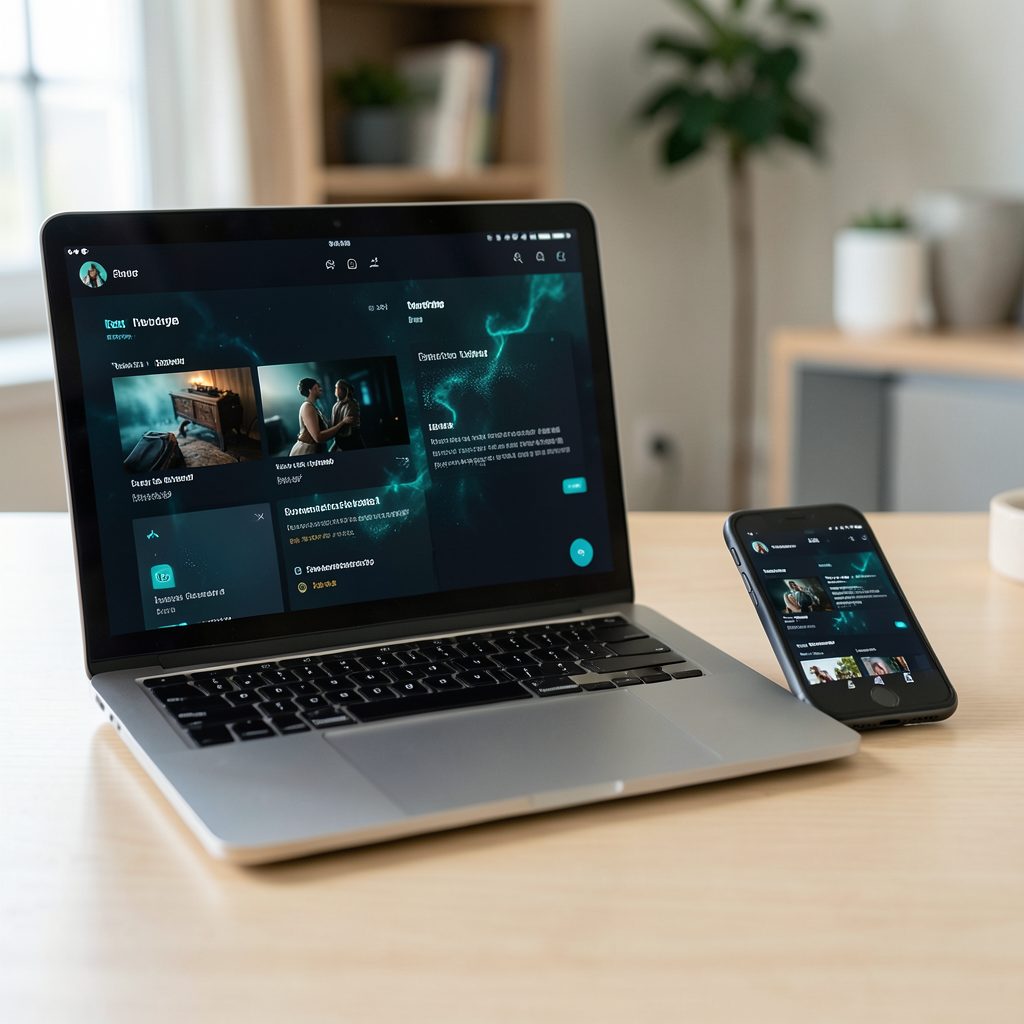
Popcorn Time vs PopcornTime.io: which fork is maintained in 2025
Popcorn Time became well known for giving users a Netflix-style interface backed by torrent technology. Its appeal was simple: search for a film or television series, choose a quality level, and begin playback without managing a traditional media library. That convenience also created legal, security, and reliability problems that still matter when comparing current versions.
The names “Popcorn Time” and “PopcornTime.io” are often treated as if they identify two clearly separate, official products. In practice, the ecosystem has included abandoned repositories, renamed projects, unofficial mirrors, cloned websites, and applications that share branding without sharing code. A familiar logo or domain name is not proof that a build is genuine or actively maintained.
For Australian users, the practical question in 2025 is therefore less about which name looks most authentic and more about which project can demonstrate recent development, transparent ownership, safe distribution, and dependable platform support. Checking those details is essential before installing anything on a Windows laptop, Android television, MacBook, or Chromecast-connected home theatre.
Why the two names are easy to confuse
“Popcorn Time” usually refers to the application concept and to several software projects that have used the name over the years. Different teams have maintained versions for Windows, macOS, Linux, Android, and other devices, while some projects disappeared after legal pressure or technical difficulties. A new installer can therefore appear under an old brand without being connected to the code that made the service popular.
“PopcornTime.io” is particularly confusing because the name may describe a website, a historical domain, or a fork claiming continuity with an earlier project. Domain ownership and repository activity can change, and a page that still loads is not necessarily evidence of active software development. A functioning landing page may simply distribute an old package or redirect visitors to advertising and download portals.
Users should distinguish between a project’s brand, its website, and its source repository. Those three elements sometimes belong to different operators. Before following any download guidance, check whether the release has a publication date, a changelog, source code, issue activity, and clear instructions for uninstalling older versions.
What active maintenance should look like in 2025
An actively maintained fork should leave a visible technical trail. Recent commits are useful, but they are only one signal. A credible project should also publish version notes, respond to bug reports, update dependencies, repair broken torrent providers, and address compatibility changes in modern operating systems. Releases should be signed or accompanied by verifiable checksums where possible.
Maintenance also involves security. An application that handles torrent metadata, external providers, subtitles, and media playback can expose users to malicious links or compromised packages. A responsible development team should explain what data the application collects, how it treats provider sources, and whether third-party components are updated. Silent installers, unexplained permissions, and sudden requests to disable antivirus software are serious warning signs.
A fork can have a recent-looking website and still be inactive at the code level. Conversely, a modest project may be maintained mainly through a public repository rather than polished marketing. Look for activity across several months, not a single release followed by silence. Independent software commentary, including technology discussions published by G Pensador, can offer context, but repository evidence should remain the primary test.
The evidence around Popcorn Time and PopcornTime.io
There is no universally reliable authority declaring one permanent “official” fork for every device in 2025. The original Popcorn Time identity has been reused repeatedly, and the legal status of associated domains can vary by country. Claims that a particular build is the definitive successor should therefore be treated cautiously unless they are supported by a consistent project history and independently verifiable development records.
PopcornTime.io may be encountered as a branded destination rather than a clearly documented open-source fork. That distinction matters. If the site does not connect its installer to a transparent repository, identify its developers, publish release history, or explain how updates are delivered, it cannot be confidently labelled the actively maintained choice. The same caution applies to any “latest official version” claim made by a download page.
The practical assessment in 2025 is that the name alone does not establish maintenance. A Popcorn Time-labelled build with recent, traceable releases may be more current than a PopcornTime.io package, while an apparently fresh PopcornTime.io installer may simply be a repackaged or unsupported application. Users should judge the specific build and its evidence, not the spelling of the brand.
Platform support and everyday reliability
Forks often differ most visibly in platform coverage. Windows and Android builds tend to receive attention first, while macOS and Linux releases can lag when media libraries, certificate requirements, or provider interfaces change. Android TV support may also be separate from ordinary Android phone support, with different navigation, permissions, and installation procedures.
Features such as Chromecast, AirPlay, subtitles, watch history, and multi-device playback are not guaranteed across forks. A version that streams successfully on a Sydney desktop may fail to cast to a television in Melbourne because the devices are on different networks, the router isolates wireless clients, or the application uses an outdated casting protocol. Testing on the intended device is more useful than relying on a feature list.
Australian households also face practical network differences. NBN performance varies by plan and local congestion, and mobile users may encounter data limits when streaming high-bitrate video. A fork that repeatedly buffers, loses provider listings, or crashes after an operating-system update may be poorly maintained even if its catalogue appears current. Stability, update behaviour, and clear error messages are stronger indicators than the number of titles displayed.
Legal, privacy, and security considerations in Australia
Torrent-based streaming can involve downloading or sharing copyrighted material, and Australian copyright law can apply regardless of whether a user watches a file through an application or saves it locally. Court-ordered website blocking and enforcement actions have affected unauthorised streaming and torrent services. The legal position depends on the content, source, conduct, and circumstances, so a VPN does not make infringing activity lawful.
A virtual private network can improve privacy on public Wi-Fi and reduce exposure of a home IP address to some network observers, but it is not an immunity tool. VPN providers can retain logs, connection speeds can fall, and some services restrict torrent traffic. Users in Brisbane, Perth, Adelaide, or elsewhere should review Australian privacy policies and the provider’s jurisdiction before treating a VPN as a complete security solution.
Malware is a separate risk from copyright liability. Unofficial Popcorn Time installers may contain adware, credential stealers, cryptominers, or altered media components. Downloading from a search advertisement or a mirror with aggressive pop-ups increases that risk. Verify file signatures where available, scan installers, keep the operating system patched, avoid granting unnecessary administrator rights, and never enter banking credentials into a streaming application.
The safest viewing route is an authorised service or a legally obtained local media file. Australia’s market includes services such as ABC iview, SBS On Demand, 7plus, 9Now, 10 play, Stan, Binge, Kayo, Netflix, and Disney+, with catalogues that change over time. Checking JustWatch Australia or the broadcaster’s own application can reveal a lawful option before installing an uncertain fork.
How to compare a fork before installing it
Begin with the release page rather than a download button. Record the current version, release date, supported operating systems, repository address, and minimum requirements. Search the issue tracker for recent reports about playback, subtitles, casting, and malware alerts. A busy issue tracker is not automatically positive, but unanswered reports over a long period suggest that maintenance has slowed.
Then inspect the installer’s behaviour. It should identify the publisher, use a normal installation path, and avoid unrelated browser extensions or bundled utilities. Be wary of files hosted on several unrelated domains with different version numbers. If an application asks users to turn off Windows Defender, bypass macOS security controls, or install an unknown certificate, stop and investigate before proceeding.
The Popcorn Time resource can help users compare setup information, platform notes, and troubleshooting advice, but no guide can replace independent checks of a particular release. Use a separate standard user account where practical, maintain backups, and remove obsolete builds before testing a replacement. Never reuse important passwords in an application whose ownership and update process are unclear.
For playback, test a legally available sample or personal media file first when the software supports it. Confirm that subtitles load correctly, casting stays connected, and the application does not create unexpected network traffic. On an Australian home network, check router logs and data usage if a device behaves strangely. Uninstall the program and change relevant credentials if you notice pop-ups, browser redirects, unexplained CPU usage, or suspicious login alerts.
The strongest answer to the 2025 comparison is therefore cautious: neither “Popcorn Time” nor “PopcornTime.io” is automatically proven to be the actively maintained fork merely by name. Treat current repository activity, transparent releases, security practices, and reliable device support as the deciding evidence. Before installing, verify the source, check the legal position of the content, and consider an authorised Australian streaming service when it provides the programme you want.