


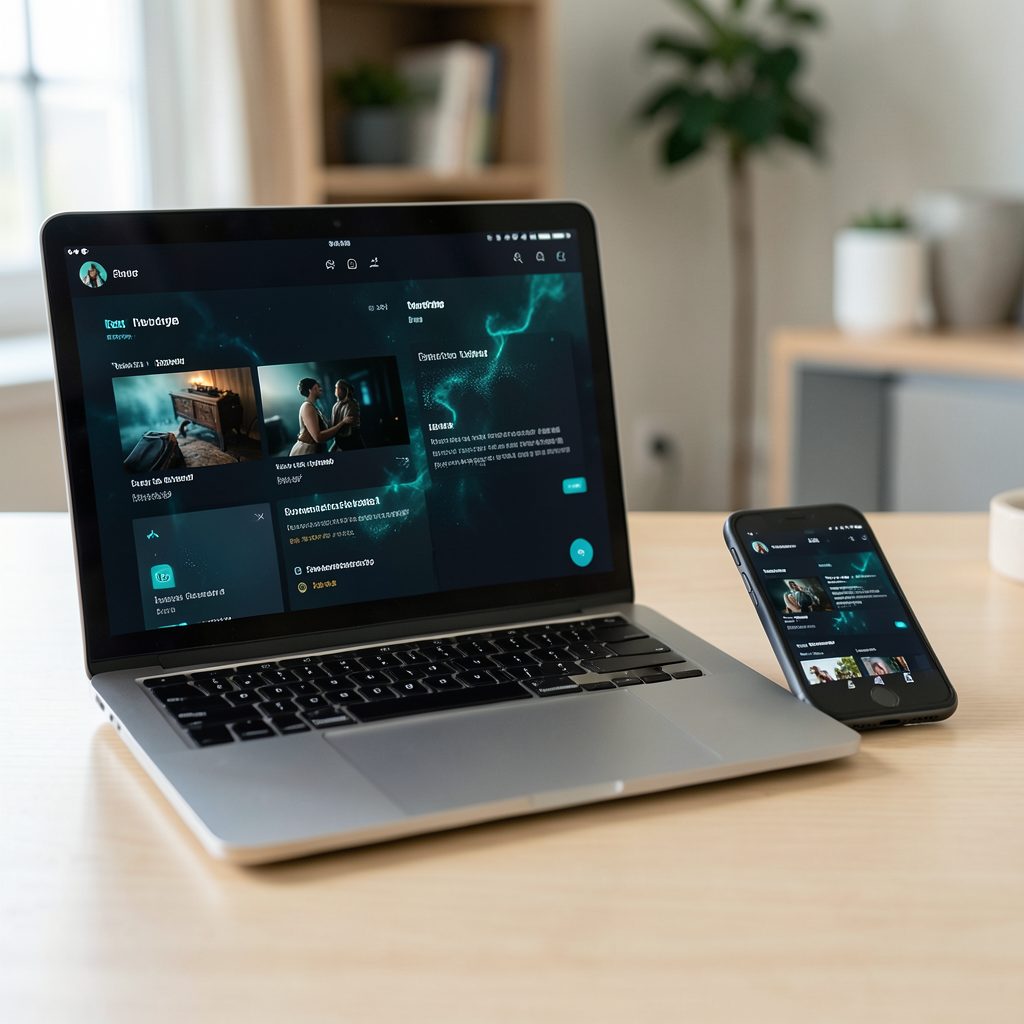
Popcorn Time vs Popcorn Time CE: which edition stays more stable
Popcorn Time and Popcorn Time CE can look almost identical on a desktop, yet they sit at different points in the application's history. The mainline release established the familiar “watch with a torrent client” workflow, while community-maintained forks carried the code forward after upstream development became less predictable. For Australian users comparing downloads, that distinction matters: a polished interface says little about whether an app will install cleanly, keep its catalogue in sync, cast properly or remain usable after an operating-system update.
A current, carefully chosen CE build is generally more likely to be stable than an old mainline package on a modern computer. That is a maintenance conclusion, not a universal guarantee, because “CE” covers builds with different update cycles, dependencies and testing. The useful comparison is active community release versus abandoned release, using the same operating system, network and casting hardware, rather than a simplistic score based on interface appearance.
What the two editions actually mean
The mainline Popcorn Time desktop release established the core pattern: a searchable movie and television interface connected to a peer-to-peer streaming engine. Popcorn Time CE, short for Community Edition, refers to successors that update that application rather than reproducing every legacy component exactly. Depending on the distributor, you may encounter different names, icons and feature sets under the CE label.
A community edition is not one centrally controlled binary. Maintainers may refresh the browser runtime, torrent engine, subtitle handling or casting bridge while leaving other parts untouched. One fork can therefore feel smoother on Windows, another on macOS, and a third may be the only one offering a current Linux package. The label describes who is maintaining the code, not a guarantee that every build behaves identically.
Before downloading either side, compare the stated operating-system requirements, update policy and provenance of the release. The project FAQ covers installation and common setup questions, while repository release notes are usually the better guide to recent crashes and compatibility fixes. Avoid mirrors that bundle extra extensions, “premium” versions or unexplained binaries.
Where stability actually comes from
Most installation instability comes from aged dependencies or an operating system that has moved beyond the build. A maintained CE package can replace an obsolete media layer, signing routine or updater, reducing first-launch failures and problems with system libraries. The older mainline application may still open cleanly on the environment for which it was designed, but that narrow stability is poor evidence of safety on a current machine.
Stability during playback depends on the torrent backend, cache handling and whether maintainers reproduce reported failures. An inactive build can accumulate dead catalogue providers, incompatible trackers or errors that never receive a patch. A CE build can improve these areas, although a rushed community update can also introduce new regressions. Look for incremental releases, clear issue tracking and builds tested across more than one Windows or macOS version.
That gives a practical answer to which version is more stable: a recently maintained CE release usually wins, while a legacy package wins only when it is running in a carefully matched, older environment. Neither result supports using an unsupported system. For current Windows and macOS users, update speed, crash reporting and honest release notes are stronger stability signals than the word “official” or a familiar icon.
Playback quality across Australian connections
Buffering in either edition is usually a swarm problem before it is a player problem. Playback asks peers for pieces of a torrent; when seeds are thin or geographically distant, the client can wait, stall or change quality. More peers in Sydney, Melbourne, Brisbane or Perth do not automatically help a household in regional Victoria, Tasmania or northern Western Australia if the relevant file is unavailable within the swarm.
Most Australian homes now connect through NBN, although the service varies from FTTP and FTTN to fixed wireless. Many fixed-line plans advertise unlimited data, while mobile hotspot allowances are often capped and some legacy ADSL connections behave differently. A quick test before arvo can show whether the build is sorted; repeat it during the evening peak, when everyone else is streaming.
A VPN may alter routing or improve peer discovery in some circumstances, though it can also add latency and reduce throughput. The split-tunneling VPN guide explains how to keep ordinary browsing outside the tunnel while directing app traffic separately. A VPN does not make unauthorised copying lawful, and it cannot repair an unstable binary or replace a weak torrent source.
Features that shape everyday reliability
Casting is where two visually similar editions often feel very different. Chromecast support depends on the cast bridge and the current television or receiver firmware; one build may discover a device immediately while another needs a restart or an extra component. AirPlay on macOS can be smoother because it mirrors the player window, but native casting usually consumes fewer local resources. Test the path you actually use rather than assuming every fork supports it.
Multi-device playback is another source of confusion. Playing on a laptop, television and phone usually means separate streams rather than synchronised playback across the house. Subtitle loading, audio-track selection and the handling of downloaded metadata can also vary between forks. Community releases with current subtitle providers and a responsive cache tend to feel more dependable, while a legacy build may leave the interface responsive but fail quietly when a background provider fails.
Software updates and viewing demand are different things, but both affect planning. Popular franchises create sudden bursts of interest, and a site publishing walking dead series news may flag discussion around a new episode; it is not a substitute for developer release notes. Check the software's own changelog before a premiere, because a casting regression or subtitle failure can look like a network problem when it is not.
A practical Australian selection checklist
Use a short comparison that separates code quality from local network performance. These checks are designed to expose stale builds and mismatched setups before they spoil an evening's plans.
- Read current release notes and confirm supported operating systems.
- Verify the repository, publisher and available checksums.
- Check whether startup, casting and subtitle crashes have fixes.
- Prefer a maintained release over an abandoned mirror.
Then match the candidate to everyday Australian conditions. The same binary can behave differently on fixed wireless, a capped hotspot or a shared household connection, so local testing belongs beside build inspection.
- Test on the intended NBN connection and playback device.
- Remember that unlimited fixed-line data differs from hotspot caps.
- Allow extra time for peers in sparsely connected regions.
- Keep licensed streaming apps ready for new releases.
A build that starts cleanly, keeps catalogue data fresh, searches subtitles without hanging and casts on the first attempt is the more stable choice. If it fails only during peak congestion but remains responsive, investigate peer availability and routing before blaming the player. If it crashes at launch or requires an unsupported workaround, choose another maintained package and report the failure with device details.
Make the choice that fits your setup
For most people choosing between current Popcorn Time CE and an archived mainline download, the maintained community release is the better stability bet. It is likely to receive operating-system compatibility work, dependency updates and fixes for torrent or casting faults. The older package is not inherently bad, but its apparent simplicity can conceal years without security or compatibility maintenance. A CE build supported by one clear maintainer may also be easier to troubleshoot than several unrelated forks with similar names.
Legal use remains a separate issue from technical stability. In Australia, copyright rules apply to unauthorised copying, sharing and screening, and using a VPN or an encrypted connection does not change that. Licensed alternatives such as Netflix, Disney+, Prime Video, Stan, Binge, Fetch TV, Foxtel Now and Hayu compete for many viewing hours, while ABC iview and SBS On Demand provide free Australian programming. Availability and catalogue rights vary, but a lawful fallback prevents avoidable disruption.
Start by reviewing the current release notes, install only from a traceable source, verify the package and test startup, playback, subtitles and casting on your actual devices. Compare that build with the last mainline version under the same conditions, choose the one that stays responsive without unsupported workarounds, and use it only for content you are entitled to stream.