


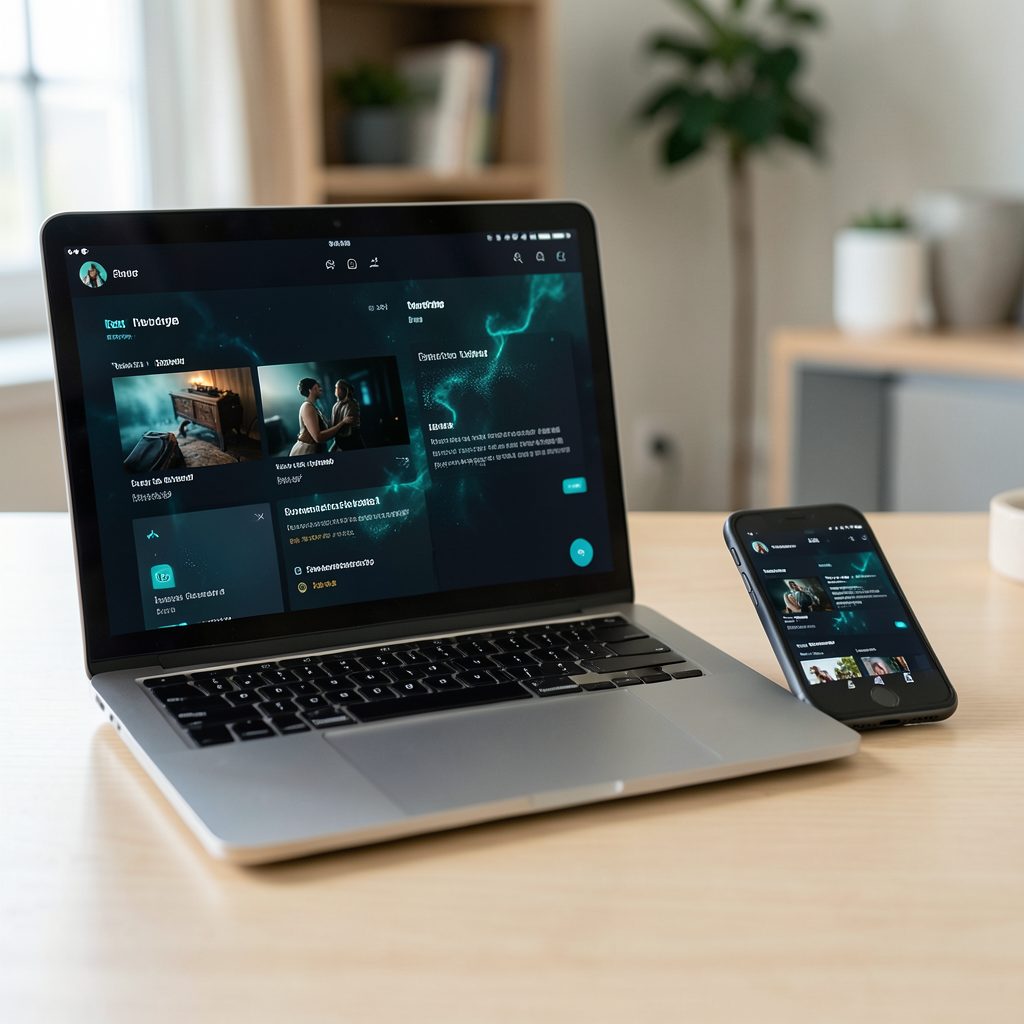
Popcorn Time vs Plex: Streaming Library Differences
Choosing between Popcorn Time and Plex starts with understanding what each service means by a “library.” Popcorn Time is designed to help users discover and play film and television torrents through a familiar streaming-style interface. Plex is primarily a media management platform that organizes files you already own, while also offering selected licensed streaming content.
That distinction affects almost everything: how large the catalog appears, how quickly titles arrive, how reliable playback is, and whether a film remains available tomorrow. Popcorn Time may display a broad selection drawn from changing torrent sources, whereas Plex gives you a more controlled library whose contents depend on your files, server setup, region, and the services integrated into the app.
Neither platform should be judged by title count alone. A large catalog can include incomplete sources, inaccurate metadata, or content that is unavailable in a particular country. A smaller personal collection can provide faster playback, consistent subtitles, and dependable access across televisions, phones, tablets, and streaming devices.
How the two library models work
Popcorn Time presents movies and shows through a catalog interface that resembles a conventional streaming service. Posters, genres, ratings, trailers, subtitles, and episode information help users browse quickly. When a title is selected, the application generally locates torrent sources and begins playback while data is being downloaded and shared through peer-to-peer connections.
The catalog is therefore dependent on available torrents rather than a fixed licensing agreement. A popular film may have several high-quality sources, while an obscure series may have limited seeders, poor subtitles, or no playable release. Different Popcorn Time forks can also use different indexes, interfaces, and source providers. Users researching the current online download page should check which version and platform instructions apply before installing anything.
Plex uses a different foundation. Its traditional library is built from personal video files stored on a computer, network-attached storage device, or compatible server. Plex scans those folders, identifies the media, and adds artwork, descriptions, cast information, collections, and viewing progress. The owner has far greater control over what appears and how long it remains available.
Plex also includes licensed, ad-supported movies and television channels in many regions. These offerings are separate from a personal Plex Media Server and can change according to distribution agreements. Plex’s Discover features may also show where a title can be watched elsewhere, but seeing a film in search results does not mean Plex hosts it in the user’s own library.
Catalog size and title availability
Popcorn Time can appear to have the broader catalog because it may surface current theatrical releases, older films, international productions, anime, documentaries, and television episodes from many torrent releases. The breadth is especially noticeable for titles that are scattered across multiple paid services. Availability often depends on demand: well-seeded releases are more likely to start quickly and maintain a stable stream.
This apparent variety comes with uncertainty. A listing may point to a torrent with a misleading name, missing files, incorrect language tracks, or a low number of peers. A title can disappear when sources become inactive, and a fork may stop updating its index. Release quality can vary from compressed copies to large high-definition files that require considerable bandwidth and storage.
Plex’s personal library is narrower at first because it reflects the media the user has legally acquired and added to a server. Its strength is predictability. Once a file is organized correctly, it generally remains available until the owner moves or removes it. Plex can also combine films and shows from different purchases, discs, downloads, and home recordings into one searchable interface, subject to copyright and local law.
The licensed portion of Plex can expand discovery without requiring a private media collection, but its catalog is not universal. Content may be supported by advertising, limited to certain countries, or removed when agreements change. For a specific film, Plex may show a rental, purchase, or subscription destination rather than offer direct playback inside the free Plex catalog.
Reliability, quality, and playback control
Streaming from Popcorn Time depends on torrent health and the selected release. A file with many active seeders can begin quickly and play smoothly, while a less popular release may buffer or stop. Internet speed matters, but it is not the only factor. Upload availability, tracker information, codec compatibility, and the number of simultaneous peers can all affect the experience.
Plex playback is usually more consistent when the server and files are well configured. Direct Play allows a supported device to receive the original file without conversion. Direct Stream may change the container, while transcoding converts the video or audio when the client cannot handle the original format. Transcoding requires server resources, so an older computer may struggle with several remote streams or demanding 4K files.
Subtitles and audio tracks also reveal the difference between the platforms. Popcorn Time may offer several subtitle sources, but timing and translation quality are uneven. Plex relies on the tracks embedded in the file or subtitles added by the library owner, making quality more controllable. When playback timing is the issue, this guide to fixing audio sync covers common Popcorn Time troubleshooting steps.
Plex additionally provides tools for naming files, selecting posters, editing metadata, creating collections, and managing watched status. Those controls are useful for households that want a curated experience. Popcorn Time is faster for browsing a ready-made catalog, but it offers less authority over the underlying source and long-term organization.
Comparing the main library differences
The practical gap between the platforms becomes clearer when their content sources, ownership models, and availability are placed side by side. The comparison also shows why one application can be attractive for discovery while the other is better suited to maintaining a dependable home collection.
| Library factor | Popcorn Time | Plex |
|---|---|---|
| Primary content source | Torrent-based releases indexed by a fork or source provider | Personal media files plus selected licensed content |
| Catalog stability | Changes as torrents, indexes, and forks change | Personal libraries remain stable; licensed titles may rotate |
| New-release visibility | Often broad, depending on available releases and local law | Depends on owned media and current licensed offerings |
| File quality | Varies by torrent, seeders, codec, and release | Chosen and managed by the library owner |
| Playback reliability | Depends on peers, torrent health, and bandwidth | Depends on server hardware, network, and client compatibility |
| Metadata control | Usually automated with limited editing | Extensive organization, collections, posters, and naming controls |
| Offline and local use | Varies by fork and platform | Strong support for local playback; features vary by client and plan |
| Multi-device access | May support casting or device playback depending on fork | Broad client support, Chromecast, AirPlay, smart TVs, and web access |
| Legal position | Depends on the content, source, and jurisdiction | Personal media use and licensed services follow different rules |
| Best fit | Fast catalog browsing and broad discovery | Curated ownership, household sharing, and reliable playback |
The table should not be read as a simple quality ranking. Popcorn Time’s appeal comes from convenience and discovery, while Plex’s value comes from control and continuity. A user who wants a carefully managed collection may find Plex more useful even if it contains fewer titles. Someone comparing unfamiliar releases may prefer the browsing experience of a torrent-based catalog, while still needing to verify rights and local regulations.
Search, discovery, and changing catalogs
Popcorn Time generally makes discovery immediate. Genre menus, search tools, trending sections, ratings, and episode lists reduce the work involved in finding something to watch. Since sources can cover a wide range of releases, users may locate international or older content that is difficult to find in a single licensed subscription.
The weakness is that discovery does not guarantee access. Search results may be incomplete, duplicated, poorly matched to metadata, or supported by a torrent that has no practical availability. A title can also be listed in one fork and absent from another. This makes the experience more variable than a traditional service with a centrally maintained catalog.
Plex discovery is more structured around the user’s own collection and connected services. Its search can identify media on a home server, show related titles, and indicate where a film is available through supported providers. Once a file enters the personal library, Plex can group editions, track viewing progress, and recommend related items based on the collection.
For households with several viewers, this organization is a major advantage. Parents, guests, and family members can use managed accounts, libraries, and restrictions where supported. The result feels closer to a private streaming service, although the owner remains responsible for acquiring media lawfully and maintaining the server.
Costs, privacy, and legal considerations
Popcorn Time may be available without a conventional subscription fee, but free access does not remove legal or security concerns. Torrent-based applications can connect users to copyrighted material without authorization, and the rules governing downloading, streaming, and sharing differ by country. Some jurisdictions treat uploading fragments through peer-to-peer software as a separate infringement risk.
Users should also consider the privacy implications of peer connections, the trustworthiness of unofficial forks, bundled software, and misleading download pages. A virtual private network can conceal an IP address from some peers and add network privacy, but it does not make unauthorized sharing legal or guarantee complete anonymity. VPN performance can also affect buffering and playback quality.
Plex may require spending on hardware, storage, domain access, or optional premium features, even when the application itself has a free tier. Those costs support a more controlled environment: the user chooses the files, maintains the server, and can decide whether remote access is enabled. Licensed Plex content is subject to its own advertising, regional, and account conditions.
The safest approach is to verify the rights associated with every source. Use media you own or are authorized to access, review the law where you live, and download applications only from trustworthy sources. Streaming convenience should never be treated as evidence that a particular title is legally available.
Which library suits different viewing habits
Popcorn Time may suit viewers who prioritize broad browsing, quick access to varied releases, and a simple interface that resembles an on-demand catalog. Its usefulness is strongest when a source is well seeded, metadata is accurate, and the chosen fork remains maintained. The experience can become frustrating when a title has few peers or the application cannot match a subtitle or audio track correctly.
Plex is better aligned with people who want a durable home media system. It works well for families that have a substantial digital collection, users who want consistent playback on multiple devices, and anyone willing to spend time organizing files. Chromecast, AirPlay, smart-TV apps, and remote access can make that collection available throughout a home, provided the network and server are properly configured.
The decision can also be practical rather than exclusive. Some users may use Plex for personal media and licensed services while evaluating other legal streaming platforms for titles missing from their collection. Keeping the roles separate makes it easier to understand where a film comes from, who controls access, and why availability changes.
A useful choice framework is:
- Choose Plex when ownership, organization, metadata editing, and stable playback matter most.
- Consider Popcorn Time only after checking the legality of the content and source in your jurisdiction.
- Prefer local or Direct Play playback when a Plex server and client support the same file format.
- Check seeders, resolution, subtitles, and audio tracks before relying on a torrent-based stream.
- Use separate profiles and library permissions when several people share a Plex server.
The most meaningful difference is control. Popcorn Time offers a changing discovery layer built around available torrent releases. Plex offers a managed media environment built around files and services that the user can identify, organize, and maintain. Compare those foundations before comparing poster counts or search results, then choose the platform that matches your rights, equipment, and viewing habits.