


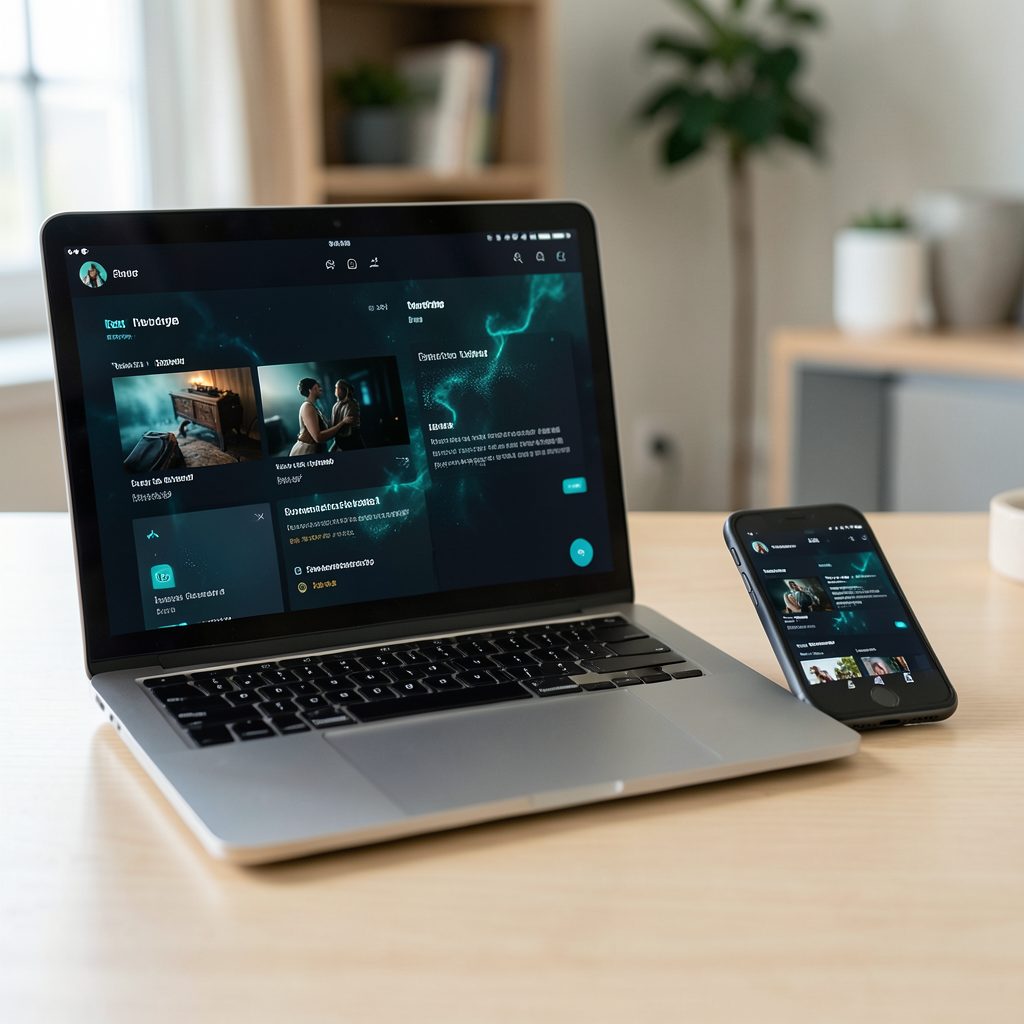
Popcorn Time vs Netflix: Features, Cost, Safety, and Viewing Experience
Popcorn Time and Netflix offer two very different approaches to watching films and television. Netflix is a licensed subscription platform with controlled apps, predictable playback, and region-specific content. Popcorn Time is a torrent-based application whose available catalog, reliability, and legal status depend heavily on the fork and the sources it uses.
The choice is therefore about more than monthly price. It involves content ownership, streaming quality, device compatibility, privacy, advertising, subtitles, downloads, and the amount of technical responsibility expected from the viewer. A polished service may be worth paying for, while a flexible application may appeal to people who want broader control over playback and local media features.
Popcorn Time forks can also vary considerably. An installation guide or review written for one build may not apply to another, and some unofficial downloads may contain unwanted software. Netflix provides a single branded experience, although its library and features still change according to country and subscription tier.
How The Two Services Deliver Video
Netflix distributes films and shows through conventional online streaming. Its servers send encrypted video to official apps and supported browsers, with quality adjusted according to bandwidth, device capability, account plan, and title availability. The platform manages licensing, subtitles, audio tracks, parental controls, profiles, and playback history in one account system.
Popcorn Time traditionally uses peer-to-peer technology. The application locates torrent sources and begins playing a video while pieces are downloaded from other users. This can provide access to a wide range of titles, but playback depends on the health of the torrent, the number of available peers, and the performance of the selected fork. The app may also expose the user’s IP address to other participants in the swarm.
That distinction explains much of the user experience. Netflix usually starts a supported title with a few clicks and maintains a consistent interface. Popcorn Time can feel more like a media browser connected to a changing network of sources. Metadata, artwork, subtitles, and links may be incomplete or inaccurate, particularly when a fork is poorly maintained.
Pricing, Catalogs, and Regional Availability
Netflix requires a paid subscription, with pricing and plan benefits determined by the user’s country. Depending on the market, plans may differ by resolution, the number of simultaneous streams, advertising, and download support. The fee contributes to licensed programming, infrastructure, customer service, and continued development of the official platform.
Popcorn Time is generally presented as free to install and use, but “free” does not mean risk-free or automatically lawful. Content distributed through torrents may be copyrighted, and the rules governing downloading or streaming vary by jurisdiction. A title being visible in an application does not prove that its distribution is authorized.
Netflix’s catalog is also restricted by territory. A series available in one country may be absent elsewhere because of licensing arrangements. Popcorn Time forks sometimes appear to offer a broader international selection, but that apparent advantage comes from uncertain sources and can disappear when links go offline or rights holders request removal.
| Feature | Popcorn Time | Netflix |
|---|---|---|
| Payment model | Usually free to access, with unofficial forks and varying funding models | Paid subscription, sometimes with an advertising-supported tier |
| Content source | Torrent and peer-to-peer sources selected by the application | Licensed content delivered from Netflix infrastructure |
| Catalog stability | Changes with torrent availability, fork maintenance, and source health | Curated but varies by country and licensing agreements |
| Video quality | Depends on the file, peers, bandwidth, and fork | Usually consistent, subject to plan, title, device, and connection |
| Privacy exposure | Peer connections can reveal an IP address; fork trust varies | Official account and app ecosystem with centralized data collection |
| Device support | Depends on the fork, operating system, and casting tools | Broad support across smart TVs, consoles, phones, tablets, and browsers |
| Offline viewing | May involve unofficial or manual methods | Built into supported mobile and desktop applications for eligible titles |
| Customer support | Limited or community-based for many forks | Official help center and account support |
Quality, Reliability, and Everyday Convenience
Netflix has an advantage in predictable playback. Its adaptive streaming system changes video quality when network conditions shift, helping reduce buffering. Supported titles can include high-definition, 4K, HDR, Dolby Vision, or immersive audio, although these options require the right plan, hardware, title, and connection.
Popcorn Time quality depends on the specific torrent rather than a single platform standard. A source may offer excellent resolution and a complete subtitle track, or it may be poorly encoded, mislabeled, or unavailable after playback begins. Fast internet cannot compensate for a torrent with too few peers. Some users also encounter stalled downloads, failed sources, or inconsistent audio and subtitle synchronization.
Technical troubleshooting is more common with Popcorn Time. Clearing cache files, changing a source, checking storage, or reviewing firewall and network settings may resolve certain problems, but fixes vary between forks. For example, a guide to fix Popcorn Time downloads can be useful when a title remains stuck, though it cannot repair a dead torrent or an unsupported application build.
Netflix is less flexible in exchange for that reliability. Users generally cannot choose from multiple file encodes, inspect torrent health, or customize the source. They receive the version Netflix has prepared, with platform-controlled subtitles, audio options, and playback behavior.
Privacy, Security, and Legal Responsibilities
The legal position is the most important difference. Netflix operates through licensing agreements and gives subscribers a straightforward way to watch the content it offers. Popcorn Time itself has existed through multiple projects and forks, and the legality of a particular use depends on the material, source, and local law. Streaming from or sharing an unauthorized torrent may create legal exposure in some places.
A VPN is often associated with Popcorn Time because peer-to-peer activity can expose an IP address. A reputable VPN may reduce visibility to peers and provide an additional privacy layer, but it does not make copyright infringement lawful. VPN providers also differ in logging practices, speed, jurisdiction, and support for torrent traffic. Users should examine local rules and the provider’s privacy policy rather than treating a VPN as a universal shield.
Security deserves equal attention. Unofficial Popcorn Time installers can be modified, bundled with aggressive advertising, or distributed through deceptive websites. Downloading from an unknown mirror increases the chance of malware or credential theft. Verify the provenance of any software, keep the operating system updated, use reputable security tools, and avoid entering payment details into unverified fork websites.
Netflix collects account, device, viewing, and technical information as part of its service. That centralized model is different from peer-to-peer exposure, not automatically free from privacy considerations. Reviewing account settings, limiting profile access, using a strong password, and enabling available security controls can reduce ordinary account risks.
Devices, Casting, Subtitles, and Playback Control
Netflix has a mature ecosystem covering televisions, streaming sticks, game consoles, phones, tablets, computers, and selected set-top boxes. Its official apps usually handle remote controls, profiles, resume playback, accessibility options, and casting with little configuration. AirPlay and Chromecast support depend on the device, app version, title, and network setup.
Popcorn Time support is more fragmented. A particular fork may offer Android, Windows, macOS, Linux, or browser-based access while lacking a maintained smart-TV application. Casting may work through Chromecast, AirPlay, an HDMI connection, or a third-party media player, but compatibility can change after an operating system or receiver update.
The application can appeal to viewers who want more control over file selection, subtitle formats, or playback destinations. Three-dimensional content, for example, is dependent on the available source and the display equipment rather than a guaranteed platform feature. Anyone exploring this area should review guidance on watching 3D movies and confirm that the video format matches the television, glasses, and player.
Netflix generally provides a smoother household experience. Multiple profiles, age restrictions, simultaneous streams, and a shared watch history are designed for regular family use. Popcorn Time can still work on a large screen, but setup, local network discovery, subtitle handling, and playback stability may require manual adjustment.
Which Experience Fits Different Viewers
Netflix is the stronger fit for people who value dependable access, official support, consistent quality, and simple multi-device playback. It also suits households that need profiles, parental controls, downloads, and a service that can be used without investigating torrent sources. Its weaknesses are the recurring cost, rotating catalog, regional restrictions, and occasional advertising or plan limitations.
Popcorn Time may interest technically confident users who want to examine different forks, experiment with casting, or access a torrent-based media interface. That flexibility comes with more uncertainty. Catalog entries can disappear, an application can stop working, and the user must evaluate copyright, privacy, and software-security issues independently.
A practical comparison should account for total effort rather than subscription price alone. Troubleshooting time, privacy tools, replacement applications, storage, malware protection, and the consequences of using unauthorized sources can all affect the real cost. In many households, Netflix’s monthly fee buys convenience and predictability; in others, the appeal of an open and configurable playback environment may be more important.
Choosing With Clear Priorities
Before installing or renewing a streaming service, match the platform to the viewing situation and the level of responsibility you are prepared to manage. These guidelines can help narrow the decision:
- Choose Netflix when licensed content, stable playback, family profiles, and official device support are priorities.
- Consider Popcorn Time only after checking the legal rules that apply to your location and the legitimacy of the content source.
- Treat every Popcorn Time fork as separate software, and verify its reputation, maintenance history, and download security.
- Use a VPN for privacy where appropriate, but do not regard it as permission to access copyrighted material without authorization.
- Check resolution, audio, subtitle, casting, and offline requirements before choosing a platform or subscription tier.
Both services solve the basic problem of finding something to watch, yet they place different demands on the viewer. Netflix concentrates licensing, infrastructure, and support into a managed subscription. Popcorn Time distributes more control and more uncertainty across torrent networks, third-party software, and local technical choices.
Review the relevant fork, device requirements, privacy implications, and copyright rules before proceeding. For the simplest lawful experience, compare Netflix’s current plans and catalog in your region; for Popcorn Time research, use reliable setup and troubleshooting information and avoid unverified installers or unauthorized content sources.