
Popcorn Time vs Crackle: Free Streaming With Different Trade-Offs
Free streaming can describe two very different experiences. Crackle offers an ad-supported catalog through a conventional streaming platform, while Popcorn Time is a torrent-based application that presents movies and television episodes through a media-player interface. Both may appear cost-free, yet they differ sharply in how content is delivered, what rights support the service, and how much control viewers have over playback.
Crackle is built around licensed distribution and advertising. Its available titles, supported countries, apps, and catalog size can change as agreements expire or new deals arrive. Popcorn Time depends on individual forks, torrent sources, metadata providers, and the availability of peers. That can create a broader-looking library, though listings and playback reliability are far less consistent.
The right choice depends on whether convenience, legal certainty, catalog breadth, privacy, or technical flexibility matters most. A comparison should also account for device support, streaming quality, advertisements, network behavior, and the risks associated with accessing copyrighted material through peer-to-peer sources.
How Each Platform Delivers Video
Crackle works like a standard video-on-demand service. You open its website or supported application, browse a catalog, select a title, and watch an authorized stream. Advertisements normally support the service, so the viewing session may include commercial breaks. The experience is familiar to anyone who has used an ad-supported television platform, with centralized playback and a relatively straightforward account or guest-access process depending on the region.
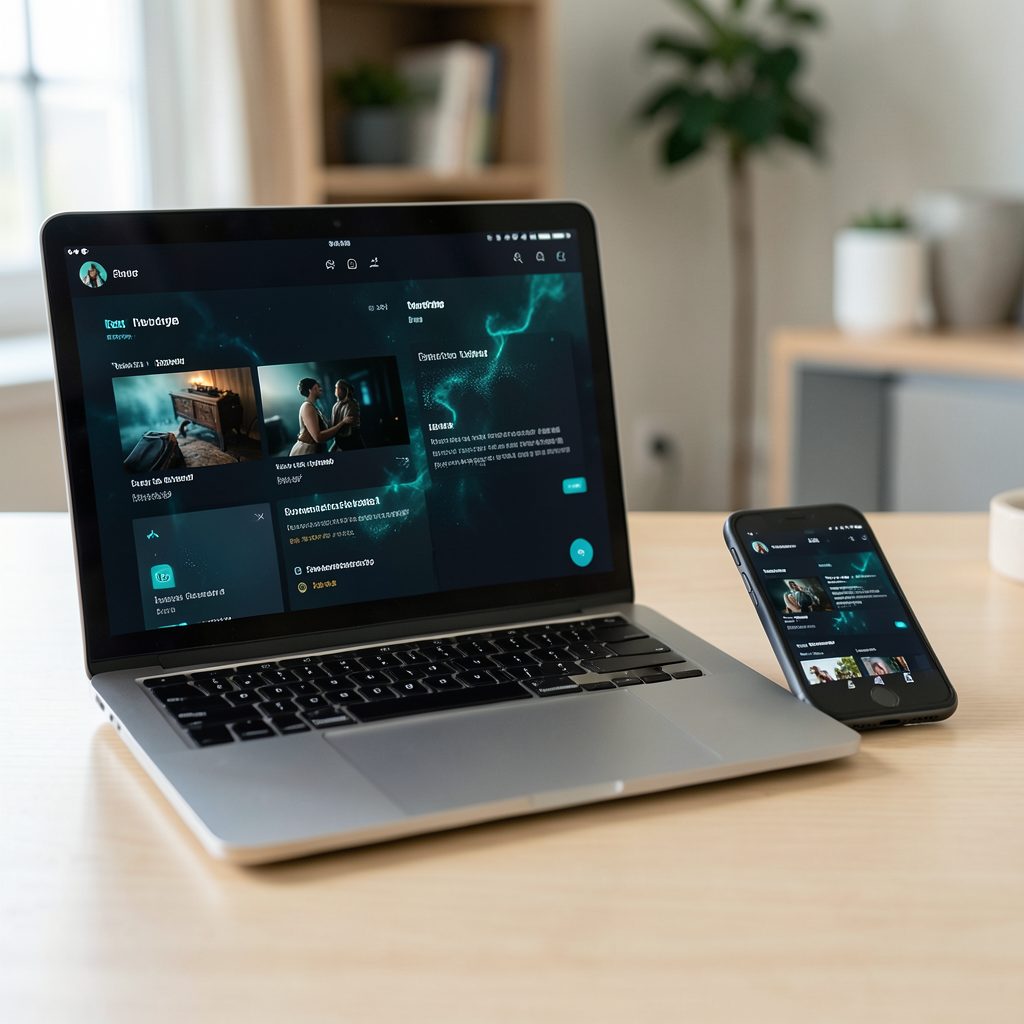
Popcorn Time uses a different model. Its interface may resemble Netflix or another subscription service, but the underlying technology commonly connects viewers to torrent swarms. The application locates a torrent, gathers pieces from multiple peers, and begins playback before the entire file has downloaded. This is why Popcorn Time can offer rapid access to titles without hosting every video on its own servers.
That distinction affects performance. Crackle depends primarily on the platform’s streaming infrastructure and your connection to it. Popcorn Time depends on seed availability, torrent health, the selected fork, and the behavior of other users. A popular film may play smoothly through many active peers, while an older episode can stall because only a few sources remain available.
Content Libraries And Discovery
Crackle’s catalog is curated rather than unlimited. It may include films, television series, older studio releases, genre collections, and occasional recognizable titles. The selection can be appealing for casual viewing, especially when you want something that starts quickly without investigating sources. Regional licensing means that a title visible to one viewer may be absent for someone in another country.
Popcorn Time often appears to provide a much larger selection because its index can surface current releases, older movies, niche programs, and multiple quality options. That breadth is a major reason people seek out different forks. Yet a visible title is not a guarantee of a working stream, accurate subtitles, safe metadata, or lawful availability in your location.
Discovery also differs in tone. Crackle guides viewers toward what it has rights to show, while Popcorn Time may expose a broader range of releases through torrent indexing. Fans looking for further film ideas can explore these superhero viewing ideas, then check whether a chosen title is available through a legitimate service in their region.
Legality And Copyright Exposure
Crackle’s main advantage is its legal distribution framework. When the service makes a film or show available in your market, it generally does so through licensing agreements and supports the viewing experience with advertising. This gives viewers a clearer basis for watching without having to assess the source of each individual video file.
Popcorn Time requires more care because torrenting is a distribution method, not a blanket legal category. Some content may be freely licensed, public domain, or otherwise authorized. Other files may be copyrighted and shared without permission. In many jurisdictions, downloading or uploading protected material without authorization can create legal exposure. Streaming through an application does not automatically remove that concern, because torrent clients commonly upload pieces of a file while playback is taking place.
A VPN can encrypt the connection between your device and the VPN provider, which may reduce exposure on an unsecured network and limit some forms of network monitoring. It does not grant permission to access copyrighted content, erase local law, or make an infringing source legitimate. Users should review copyright rules where they live and choose authorized sources whenever possible.
Streaming Quality And Device Support
Crackle usually provides a predictable quality range, subject to its application, title, network speed, and regional infrastructure. Adaptive playback can lower resolution when a connection weakens and raise it again when conditions improve. Supported smart TVs, browsers, mobile devices, and streaming media players vary by market, so compatibility should be checked before relying on the service for a particular screen.
Popcorn Time may offer several resolutions, subtitles, audio tracks, and source choices for the same title. That flexibility can be useful for people with different bandwidth limits or display sizes. It can also produce uneven results: one source may provide a sharp picture with accurate subtitles, while another may have poor audio, missing scenes, or a misleading filename.
Casting features deserve special attention. Some Popcorn Time forks support Chromecast or AirPlay directly, while others work better through a compatible desktop player or a local network workaround. Crackle may support casting through official apps in selected regions. Updates, operating-system changes, and device certification can affect both platforms, so a feature advertised by a fork may not work consistently across every release.
Ads, Costs, And Privacy
Neither option necessarily requires a traditional monthly subscription, but the cost model is different. Crackle asks viewers to exchange attention for access, with advertising placed around or within programming. Commercial interruptions can be inconvenient during a film, yet they fund licensing, hosting, application development, and customer-facing infrastructure.
Popcorn Time generally presents itself without the same scheduled commercial breaks. That can make the interface feel cleaner and the viewing session more direct. The trade-off is that the user may deal with torrent traffic, questionable forks, intrusive download pages, bundled installers, or unofficial applications that have no dependable security process. The absence of advertisements should not be mistaken for an absence of risk.
Privacy also deserves a practical assessment. Crackle may collect account, device, advertising, and usage information under its privacy policy. A Popcorn Time fork may expose a peer-to-peer IP address to other participants in a swarm, while an unofficial download could introduce malware or aggressive tracking. Using a reputable VPN may help protect network privacy, but it cannot compensate for downloading software from an unknown source or ignoring the permissions an application requests.
Setup, Reliability, And Troubleshooting
Getting started with Crackle is usually uncomplicated: use an official website or app, check regional availability, sign in if required, and begin playback. Common problems include outdated applications, unsupported browsers, ad-loading failures, geographic restrictions, and temporary service outages. Standard remedies such as updating the app, clearing cache data, restarting the device, and testing another supported browser often address basic faults.
Popcorn Time setup varies because the name has been used by multiple forks and community projects. A user may need to choose an installer, verify the project’s legitimacy, configure subtitles, select a quality preference, and allow enough network access for torrent connections. Forks can disappear, change domains, or stop receiving maintenance, making old instructions unreliable.
Playback problems often relate to the source rather than the computer. Low seed counts can cause buffering, while an incompatible codec may create a black screen or missing audio. Switching to another authorized source, updating a legitimate application, or using a media player with the required codec can help. Users seeking broader catalog options within a Popcorn Time setup can review this backup source guide, while still checking the copyright status of anything they access.
Which Viewer Fits Each Service
Crackle is the stronger fit for viewers who want a conventional, lawful, low-friction service. It works well for casual movie nights, family viewing, and situations where predictable playback matters more than having every recent or obscure release. Its ad-supported approach is easy to understand, and its official distribution model reduces the need to investigate torrent sources.
Popcorn Time appeals to users who value a familiar library interface, flexible quality options, subtitles, casting possibilities, and access to a wide range of indexed titles. Its practical performance can be impressive when a healthy source is available. However, its torrent-based operation brings legal and privacy considerations that should be evaluated before use, especially when a title is copyrighted and unauthorized.
A useful decision rule is to start with licensed platforms, free ad-supported services, library streaming programs, and official rentals or subscriptions. If a title is unavailable through those channels, availability may be temporary rather than impossible. Checking another legitimate service or waiting for a licensing change is safer than assuming that an indexed file is authorized.
For households, Crackle also tends to be easier to explain and manage. Parents can rely on the service’s catalog controls and known application ecosystem, although they should still review ratings and profiles. Popcorn Time requires more technical judgment and greater attention to the source, the fork’s reputation, network privacy, and the laws that apply to the viewer.
The contrast between these services is therefore larger than a simple feature comparison. Crackle trades some catalog breadth and uninterrupted viewing for licensed access, predictable infrastructure, and advertising-supported operation. Popcorn Time trades centralized reliability for flexibility, peer-to-peer delivery, and a potentially wider selection with greater uncertainty.
Before pressing play, verify where the title comes from, whether the service is authorized in your region, and whether the application was obtained from a trustworthy source. Use official Crackle channels for its current catalog, and approach any torrent-based software with a clear understanding of copyright, privacy, and security responsibilities. Choose the platform that matches your viewing needs without treating “free” as a substitute for informed, lawful access.