


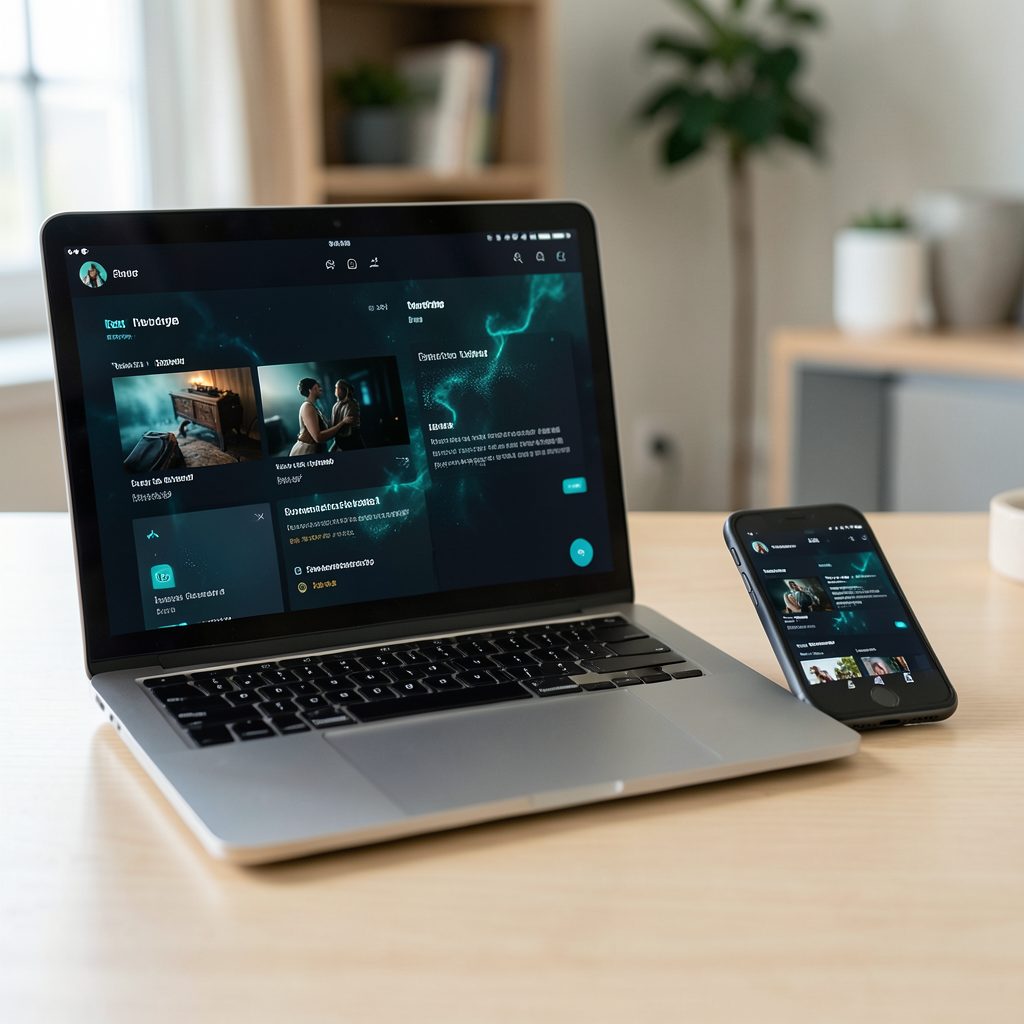
Popcorn Time's Library Mode: Organise Watched and Unwatched Content
Popcorn Time’s Library Mode gives a personal catalogue to the app’s large collection of films and television shows. Instead of relying on memory or scrolling through the same posters repeatedly, you can separate titles you have finished from programmes waiting for a quiet evening.
The feature is especially useful when your viewing happens across busy routines. A film started on a Sydney train commute may be finished at home later, while a series saved during a weekend in Melbourne can remain untouched for weeks. A clear library helps keep those choices visible without mixing completed and pending content.
Different Popcorn Time forks handle library features in slightly different ways. Some store watched status locally, some add favourites or watchlists, and others offer limited synchronisation between devices. Menus, labels and playback history can therefore vary according to the version installed.
Before changing settings or moving to a new device, check the download options for the Popcorn Time build you use and read its platform information. A careful setup makes it easier to understand where library data is saved and which controls are available.
What Library Mode Actually Does
Library Mode usually acts as a viewing-management layer rather than a separate media source. It collects titles that you have opened, marked as watched, added to favourites or placed on a personal list. The catalogue may display artwork, release details, genres, episode counts and progress indicators alongside those personal states.
The most important distinction is between viewing history and a manually curated watchlist. A watched marker generally reflects playback activity, while a saved title means you intend to watch it later. Some forks combine both under “Library”, so check the icons or menu names before assuming that every item has the same status.
Playback progress can add another useful layer. A half-watched episode may show a progress bar or “continue watching” shortcut, while a finished episode moves into history. If the indicator appears inaccurate, it may be because the application only records progress after a particular amount of playback or when the video is closed correctly.
Build A Reliable Personal Catalogue
Start by choosing a simple system. Keep films and series you genuinely intend to watch in a watchlist, and use favourites for titles you would recommend, revisit or discuss with friends. Adding every interesting poster creates a crowded library that becomes as difficult to browse as the main catalogue.
A practical approach is to save a small group of immediate choices and remove them after watching. For example, a household might keep three films for Friday night, one documentary for the weekend and two ongoing series. This works better than collecting dozens of options based only on attractive artwork or trending labels.
Use the available genre, year and language information to make browsing more precise. Australian households often move between local productions, American releases, British crime dramas and subtitled international films. Adding titles with those preferences in mind makes the library useful when time is limited.
Mark Watched And Unwatched Titles Carefully
When a film finishes, allow playback to close normally before checking its status. Some versions record a title as watched only when the end of the file is reached. Force-quitting the app, losing a Wi-Fi connection or switching immediately to another device may leave the item marked as partly watched.
If the application provides a manual option, use it to correct the record. A title accidentally marked as watched can often be returned to the unwatched list through a context menu, details screen or small eye-shaped icon. The wording differs between forks, so look for actions such as “Mark as watched”, “Reset progress” or “Remove from history”.
Episode tracking requires extra care. A season may show as partially complete even after you have watched several episodes, because the application records each episode separately. Treat the episode-level status as the most reliable record, particularly when a series has specials, split seasons or bonus content.
Use Filters To Find Your Next Choice
Filters are the quickest way to turn a large library into a useful queue. Sort by unwatched titles when you want something new, by recently added items when you are following current releases, or by genre when the mood is more important than the release date. A search field can also locate a specific actor, film or series without browsing every poster.
Separate short viewing options from longer commitments where the interface allows it. A 90-minute film suits a school-night schedule, while a multi-season drama may be better saved for a long weekend. Runtime information is imperfect, but it still provides a helpful first filter for households balancing work, study and travel.
Keep a small “next up” group rather than treating the whole library as an urgent queue. A short list reduces decision fatigue and makes it easier to notice when a title has disappeared, changed metadata or become unavailable in a particular Popcorn Time fork.
Keep Local Library Data Accurate
Library records are often stored on the device rather than in a universal Popcorn Time account. Clearing application data, reinstalling the software or changing storage permissions can erase watched history and saved titles. Before performing maintenance, check whether the fork offers an export, backup or account synchronisation option.
Updates may also change the way metadata is matched. A film can appear twice if one entry uses a different release year, spelling or poster database identifier. Remove duplicates carefully, since deleting one entry may remove its watch status while leaving a second copy in the catalogue.
If the library becomes cluttered, review it in stages. Remove completed items you will not revisit, correct titles with incorrect status and keep unfinished episodes. Avoid clearing all data as a first step, because that can solve a display problem while permanently removing useful viewing history.
Move Between Screens And Devices
Chromecast, AirPlay and HDMI connections make it convenient to watch on a television, but playback control and library updates may still depend on the original device. Starting a film from an Android phone and casting it to a television does not always produce the same history result as watching directly in the desktop application.
Keep the main library on the device you use most often. A laptop connected to a television may be more reliable for maintaining status than several phones and tablets that each hold separate records. If you switch between devices, record your place manually when the fork has no dependable synchronisation.
Home network conditions also matter. A busy evening connection in Brisbane or Perth can interrupt playback before the application registers progress. NBN performance varies by plan, premises and local congestion, and Wi-Fi coverage can be weaker in rooms far from the router. A missed progress update does not necessarily mean the library feature has failed.
Consider Privacy And Australian Rules
Watched titles, searches and favourites can reveal personal interests, even when they remain stored locally. Review application permissions, avoid saving sensitive information in profile names and protect the computer or phone with a passcode. A VPN may reduce exposure of browsing activity to an internet provider, but it does not make copyright infringement lawful or guarantee anonymity.
Australian copyright law applies to unauthorised downloading and streaming of protected material. The Copyright Act 1968 and court-backed website-blocking measures are part of the local legal environment, and rights holders can pursue action against services or users in relevant circumstances. Popcorn Time’s torrent-based operation can involve simultaneous uploading and downloading, which may create additional legal risk.
A VPN is legal to use in Australia for ordinary privacy and security purposes, including protection on public Wi-Fi. Its use should not be treated as permission to access material without the required rights. Check the source, licence and availability of a title, and use legitimate Australian services when they provide the appropriate option.
The local streaming market changes frequently. A film available in the United States may be absent from Australian catalogues because of territorial licensing, while an Australian broadcaster may hold exclusive rights. Library Mode can help organise your choices, but it cannot correct regional restrictions or confirm that a title is legally available.
A tidy library turns Popcorn Time from a poster wall into a manageable viewing record. Separate saved items from completed titles, check episode progress, protect your local data and review the legal position before streaming or downloading. Set up a small queue, maintain it after each viewing session and use the available filters to make your next choice quickly and responsibly.