

Popcorn Time on Windows 11 ARM PCs
Windows 11 ARM computers are becoming more common in Australia, especially among people choosing lightweight laptops with long battery life and built-in 5G. Devices using Snapdragon processors can run many ordinary Windows applications, but compatibility depends on whether software is compiled for ARM64 or relies on Intel-based components. Popcorn Time support therefore varies between versions rather than being a simple yes-or-no question.
Most Popcorn Time forks have historically targeted Windows on Intel and AMD processors. Some may open through Windows 11’s x64 or x86 emulation layer, while others fail during installation or playback. Users in Sydney, Melbourne, Brisbane and other cities should also consider copyright rules, home-network performance and the practical limits of VPNs before treating an ARM laptop as a reliable streaming device.
Native ARM64 Support Remains Limited
A native ARM64 application is built specifically for processors such as Qualcomm Snapdragon models. It can generally use less power and avoid the translation layer used for older Intel software. Popcorn Time releases with genuine ARM64 support are uncommon, and many downloads described as “Windows versions” are still packaged only for x64 or x86 systems.
That does not automatically prevent installation. Windows 11 on ARM can translate many traditional desktop applications, allowing an Intel-compatible Popcorn Time fork to launch. Emulation is less predictable when the application includes custom torrent engines, bundled codecs, hardware acceleration modules or older installation routines. A program may install successfully but crash when opening a title, searching a catalogue or switching to full-screen playback.
Support also differs between forks. A project may publish a current Windows build while leaving its ARM compatibility untested. Another fork could work on one Snapdragon generation but show playback problems on a different laptop because of graphics drivers or Windows updates. Treat claims of universal support cautiously, and download only from a source you can verify.
What Works Through Windows Emulation
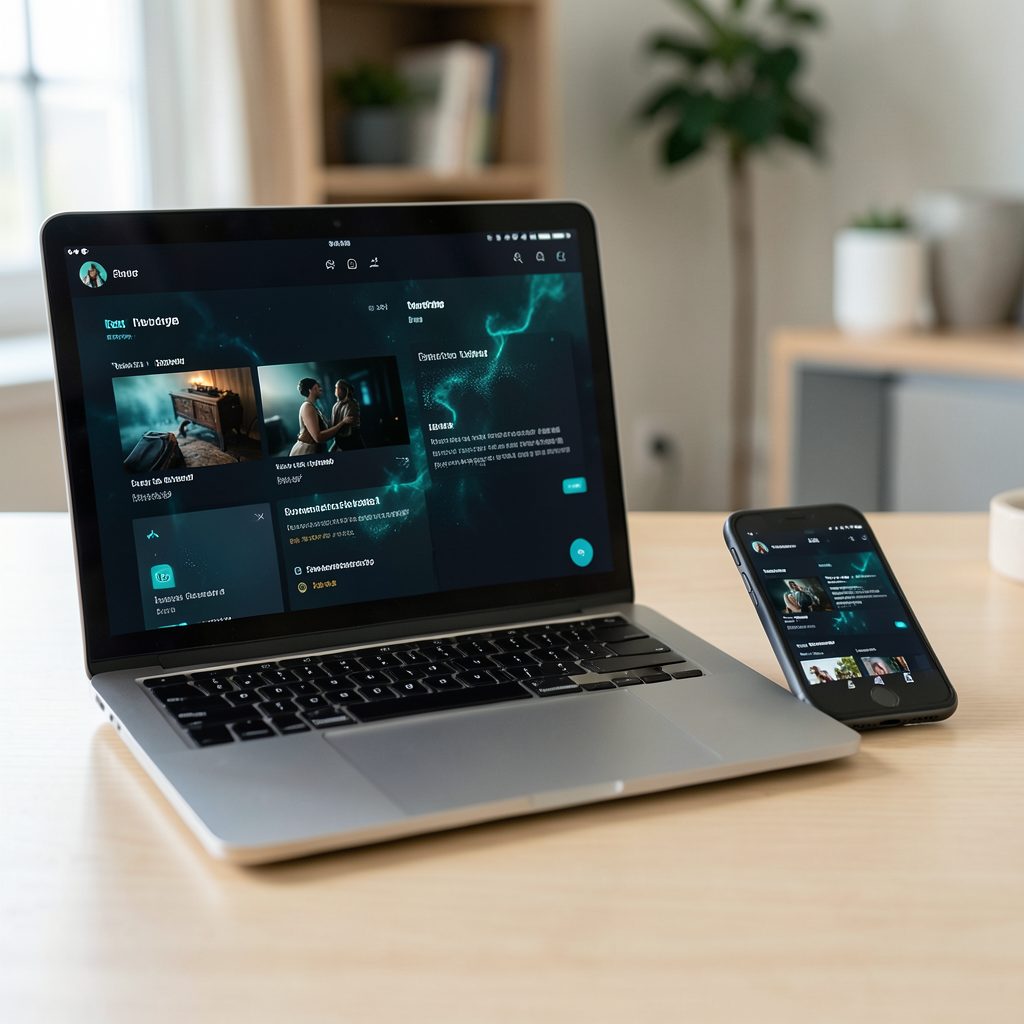
Windows 11 ARM’s emulation layer is most useful for ordinary x86 and x64 applications that do not require specialised drivers. A lightweight Popcorn Time client may start, display its library and connect to peers under emulation. Performance depends on the processor, available memory, video resolution and the number of background tasks running on the computer.
Playback is the key test. A modern ARM laptop may handle a 720p or 1080p stream smoothly, yet struggle with high-bitrate files, demanding subtitles or an unsupported audio format. Hardware decoding may be unavailable to an emulated application, leaving the CPU to process the video. This can increase fan noise, battery drain and dropped frames, particularly on thin devices designed for quiet office work.
Network behaviour can be equally important. Torrent-based applications use multiple connections and may be restricted by a router, security suite or mobile broadband provider. Australian users relying on a shared NBN connection in a busy household may notice buffering when several people are using video calls, gaming services and cloud backups at the same time. A 5G hotspot can be convenient in Perth or the Gold Coast, but signal changes may cause peers to disconnect.
Installation and Playback Checks
Before installing any fork, confirm whether its current Windows package is x64, x86 or ARM64. Windows displays system architecture under Settings, System and About, while the application’s release notes may identify the supported processor types. An x64 package has the best chance of running through emulation, but that is still different from native ARM support.
Keep Windows 11, graphics drivers and Microsoft runtime components updated through trusted channels. Avoid replacing system files or downloading unofficial “ARM patches”, since these can introduce malware or create instability. Security software may also inspect the application’s peer-to-peer traffic and quarantine a file that behaves unexpectedly. That warning should be investigated rather than disabled automatically.
Use a legally authorised video source for testing whenever possible. If a fork cannot play a permitted local media file, the issue may be a missing codec, broken renderer or incompatible subtitle format rather than a network problem. Testing with a small, legitimate file helps separate device limitations from problems associated with a particular stream.
Practical Checks Before You Install
Check these device details first:
- Snapdragon processor model and available RAM
- Windows 11 edition, build and architecture
- GPU driver date and hardware-decoding support
- Available storage and sustained Wi-Fi performance
Common warning signs include:
- A setup file that requests administrator access without a clear reason
- A release page with no recent Windows or ARM information
- Playback that uses nearly all CPU resources
- Repeated crashes after sleep, updates or display changes
Chromecast, AirPlay and external display features deserve separate testing. An emulated desktop application may play locally but fail to discover a television or streaming receiver on the network. Windows firewall permissions, guest Wi-Fi isolation and router settings can prevent device discovery even when the video itself works.
Apple hardware is not required for every casting method, but protocol support varies by fork and operating system. Users with an iPhone, iPad or compatible television can review AirPlay support details before assuming that a Windows 11 ARM laptop can send video directly to an Apple TV. An HDMI cable may be more dependable for occasional use, especially in accommodation or a home with several network segments.
VPNs, Privacy and Australian Law
A VPN does not make copyrighted material lawful, and it cannot guarantee anonymity. It may encrypt traffic between the computer and the VPN provider, but the provider can still have its own logging policies, technical limits and terms of service. A VPN can also reduce connection speed, which matters when an ARM laptop already relies on emulation for playback.
Connection failures can look like application bugs. A VPN may block peer-to-peer traffic, use a congested server or assign an address that causes repeated connection resets. DNS settings, split tunnelling, firewall rules and automatic kill switches can also affect access. The troubleshooting guide for a VPN connection problem can help identify these network causes without treating a VPN as a substitute for permission to view or share a file.
Australia’s Copyright Act 1968 protects films, television programs and other creative works. Streaming from a torrent-based source can involve downloading parts of a file while simultaneously uploading them to other users, which may create additional infringement risk. Australian courts have also ordered ISPs to block access to copyright-infringing websites, and rights holders actively monitor unauthorised distribution.
Local internet habits do not change those rules. A student in Canberra using campus Wi-Fi, a household in Adelaide sharing an NBN plan or a traveller using hotel internet remains responsible for the content accessed and shared. Data retention, provider policies and account-holder complaints can create practical consequences even where a user believes they were only watching a stream.
Safer Alternatives and Device Choices
If the goal is simply to watch films and television on an ARM laptop, official streaming services and authorised rental platforms are usually more predictable. Services available in Australia vary by catalogue and may include local broadcasters, subscription platforms, digital stores and library-based options. They generally provide applications or browser playback that is tested against Windows 11, modern codecs and common casting standards.
A Windows 11 ARM computer can be a strong media device when the software is ARM-native or well supported through emulation. Long battery life is useful for travel between Sydney and Canberra, and silent operation suits study or office environments. For demanding 4K playback, however, a recent smart television, certified streaming box or direct HDMI connection may offer better codec support than an untested desktop fork.
Users who already have a Popcorn Time installation should avoid assuming that a successful launch means the application is safe or supported. Check the fork’s publisher, update history and permissions, then remove it if it behaves suspiciously. Do not enter banking details, email passwords or other sensitive information into an unofficial media application.
For a practical decision, treat Popcorn Time on an ARM Windows device as experimental rather than guaranteed. Verify the exact fork, test lawful media, monitor processor use and check whether casting works on the intended home network. Choose an authorised service when stable playback, account security and legal certainty matter more than access to an unofficial catalogue.
Check the application’s architecture and the publisher’s reputation before downloading anything, then compare its behaviour with a legitimate streaming option on the same laptop. If a fork fails under emulation, replacing it with a supported legal service or a certified playback device is usually more effective than repeatedly changing VPN servers, codecs or Windows settings.