
Popcorn Time on a Samsung Galaxy Tab: Battery and Heat
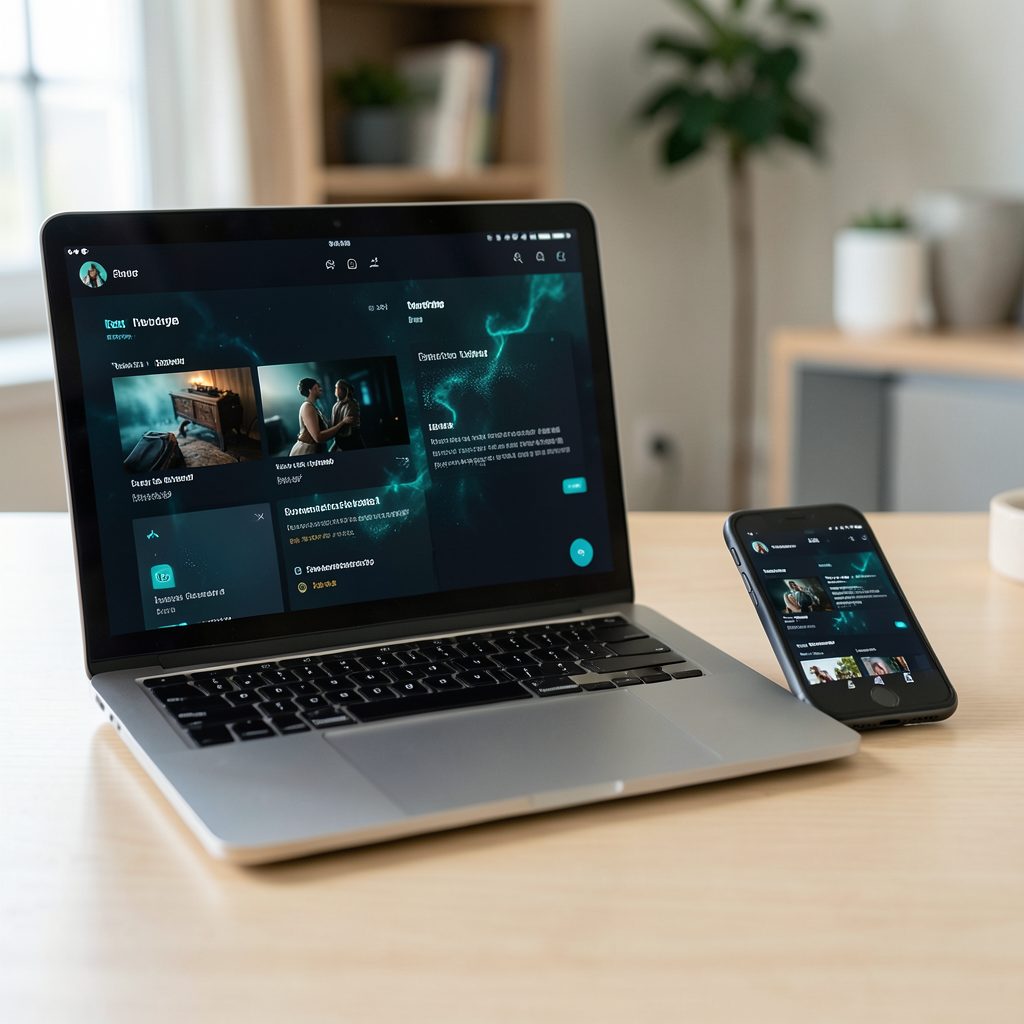
A Popcorn Time session on a Samsung Galaxy Tab can tax the tablet more heavily than ordinary streaming because playback and peer-to-peer traffic often happen together. The video decoder, Wi-Fi radio and storage controller remain active, while background upload can continue after a film finishes. On an older Tab, or one already working hard in the sun, that combination can cause rapid power drain, a warm chassis and thermal throttling.
Heat and battery use are related but not identical. A bright screen can consume power without making the processor much busier, while a high-resolution stream can stress the graphics hardware even when brightness is modest. VPN software, cloud backups and other apps add smaller loads that become noticeable in a long session. The useful baseline is the Galaxy Tab's own battery graph, not a guess based on how warm the back feels.
Model and Android generation matter too. Exynos and Snapdragon Galaxy Tabs ship with different thermal headroom, and Samsung's battery-management tools differ by release. A build that behaves well on a recent flagship may struggle on an older tablet, particularly if it falls back to software decoding. Establish the exact model, Android version and app build before changing every setting at once.
Australian users also need a clear legal boundary: copyright and online infringement rules apply locally, and a VPN does not make unauthorised copying lawful. Use content you own or are authorised to access, and do not share files beyond those permissions. For lighter viewing, Australian services such as ABC iview, ITVX and Stan provide separate alternatives without Popcorn Time's peer-to-peer upload.
Why a Galaxy Tab heats up during playback
Popcorn Time is a playback client, while title listings live elsewhere. External pages such as Hamta Movie catalogue may appear beside it in search results, but they do not choose the codec, manage the Galaxy Tab or reduce the upload traffic created by peer-to-peer activity. Keeping that boundary in mind prevents troubleshooting the wrong software when a long session warms the device.
Video decoding is usually the first thermal load. Modern Galaxy Tabs can decode common formats in hardware, but a 4K source, an unusual codec or an unsupported subtitle track may shift work to the CPU. The result is a faster battery drop and a hotter chip package, especially if the tablet is also maintaining a torrent connection. Selecting a compatible 1080p stream usually gives the clearest efficiency gain on mid-range hardware.
The network contributes a steadier, lower-level load. Uploading data keeps the Wi-Fi radio awake, and repeated transfers make the processor handle encryption, buffering and storage checks. Once the internal temperature rises, Android may reduce processor clocks to protect the device. Playback can then stutter, the back may feel uncomfortably warm and the battery percentage can fall quickly even before the screen turns off.
Verify the Android build before tuning
Fork names can be confusing because Popcorn Time projects have appeared and disappeared over time. The GetPopcornTime project site is a useful place to verify release details, version numbers and supported platforms. Compare those details with the Android release installed on the Tab, and avoid a random APK merely because its icon and menu look familiar.
Match the build to the tablet rather than relying on a device name alone. Check Settings, About phone or About tablet for the model and Android version, then update Samsung's software and the chosen app from a trustworthy source. Older Galaxy Tabs may lack current codec support, so a newer app can still cause stuttering if the hardware cannot keep pace.
Battery settings should be adjusted in stages. In Samsung's Battery menu, review Battery usage and Background usage limits, then check the app's battery permission under Apps. Restricting Popcorn Time prevents forgotten transfers from continuing after playback, while allowing only the permissions it needs reduces avoidable background work. On tablets with a Samsung Modes and Routines feature, a bedtime routine can disable Wi-Fi or location once viewing is finished.
Configure playback for less power
If the verified project is the CE edition, follow the Popcorn Time CE download instructions and record the version number before installing. Reinstalling the same build will not solve a thermal problem, but a clean, current installation can remove duplicate services or settings inherited from an abandoned fork.
Start with playback quality rather than the lowest possible setting. Choose 720p or 1080p instead of 4K when the screen and network make little visible difference, and keep hardware acceleration enabled if the build exposes that option. These controls reduce decoding load and data movement without turning the Galaxy Tab into a frustrating viewing device.
Display power is easier to control. Let adaptive brightness settle instead of pinning the screen at maximum, lock the refresh rate at 60 Hz on models that support higher rates, and disable automatic playback of the next episode if the build offers it. A dark interface can reduce pixel illumination on some displays, although the benefit varies between LCD and OLED Galaxy Tab models.
Wireless casting can move video decoding to another device. A compatible Chromecast build can send the picture to a television, while Smart View or AirPlay may work if the television and app support them. Multi-device playback does not make the Tab idle, because it still maintains Wi-Fi and may process menus or preview frames, but offloading decoding can lower heat and extend battery life.
Control the network and peer-to-peer load
Upload traffic is often the most persistent part of a torrent session. If the client exposes those controls, set a modest upload limit and a finite sharing period for content you are authorised to distribute. Prevent the app from continuing after the session ends, and avoid downloading a large file in the background while playing another stream because the two activities compete for storage and network access.
Australian homes often rely on NBN broadband, with a router supplied by a provider such as Telstra or Optus, but a fast internet plan does not guarantee smooth performance on every wireless link. Stay near the router, prefer a stable 5 GHz band where coverage is good, and pause cloud backups, console downloads and software updates during playback. On 5G, compare the plan's data allowance and peak conditions before starting a large transfer.
A VPN can add processing and send traffic across a longer route. For authorised, private use, a low-overhead WireGuard connection to a nearby Australian server may cost less energy than a heavier protocol or a distant endpoint. A VPN can also alter connection speed and streaming compatibility, so disconnect it when it is no longer needed. It should never be treated as permission to access content without rights.
Watch for background growth. In the tablet's data-usage panel, look for sudden mobile-data consumption after the app is closed. Where the Android version offers app network restrictions, block background transfers on Wi-Fi if that is appropriate. If a fork requests persistent access or runs without a visible control, uninstall it and reinstall the verified release rather than trying to tune an opaque build.
Keep heat under control in Australian conditions
Australian summer conditions raise the baseline temperature. Direct sun at a Sydney backyard screening or a Bondi Beach arvo can force the display brighter and leave the processor no room to cool, while a Melbourne afternoon can turn a warm tablet into a hot one quickly. Work in shade, reduce brightness within comfortable limits and give the device a break every hour or two.
Charging while the tablet is decoding can push the internal temperature higher. If charging during playback is unavoidable, use a suitable low-power USB-C supply, stop peer-to-peer uploads and consider reducing playback quality. Australian mains power runs at 230 V, so use the charger's supplied cable and a correctly rated adapter; a plug converter by itself does not convert voltage.
Cooling works best with airflow. Remove a thick case for intensive playback, stand the tablet on a hard surface rather than soft bedding, and keep vents clear. A small, quiet USB fan can help in a warm room, but avoid directing cold air straight onto the screen. Refrigerating or freezing the tablet is never a sensible shortcut, as condensation and rapid temperature changes can damage it.
Samsung's Battery Protection mode can limit maximum charging on supported models, while Adaptive battery manages apps you rarely use. Neither feature makes an active torrent session cool, so combine them with playback limits. If the tablet becomes too hot to hold, swells, shows an unusual battery warning or repeatedly drops performance, stop using it, unplug it and arrange service through Samsung or an authorised repairer.
Build a repeatable low-heat routine
A workable routine combines small, repeatable changes. Record the starting battery level, run a fixed ten-minute scene and watch both the battery percentage and Samsung's usage graph. Change one display setting and one network setting, then repeat the same scene. This creates a useful comparison without chasing every menu or assuming that a hot tablet is always defective.
Before a long film, confirm the app and Android versions, select a sensible stream quality, cap background transfers where lawful, place the tablet out of direct sun and use casting when the television can take over decoding. A licensed alternative such as ABC iview or ITVX can be gentler on battery for everyday viewing, while Stan and other subscription services suit different content needs across the Australian market.
Choose a verified release, open Samsung's Battery usage panel and run the ten-minute comparison tonight, then keep the combination that delivers a comfortable picture with the least heat for your next full feature.