Popcorn Time on a Nintendo Switch: what sideloading really looks like
The Nintendo Switch is best known as a hybrid gaming console, but tinkerers have long been curious about running other software on it. Popcorn Time, the streaming app built around peer-to-peer technology, sits at the top of many people's wishlists because it promises a Netflix-style catalogue without subscription fees.
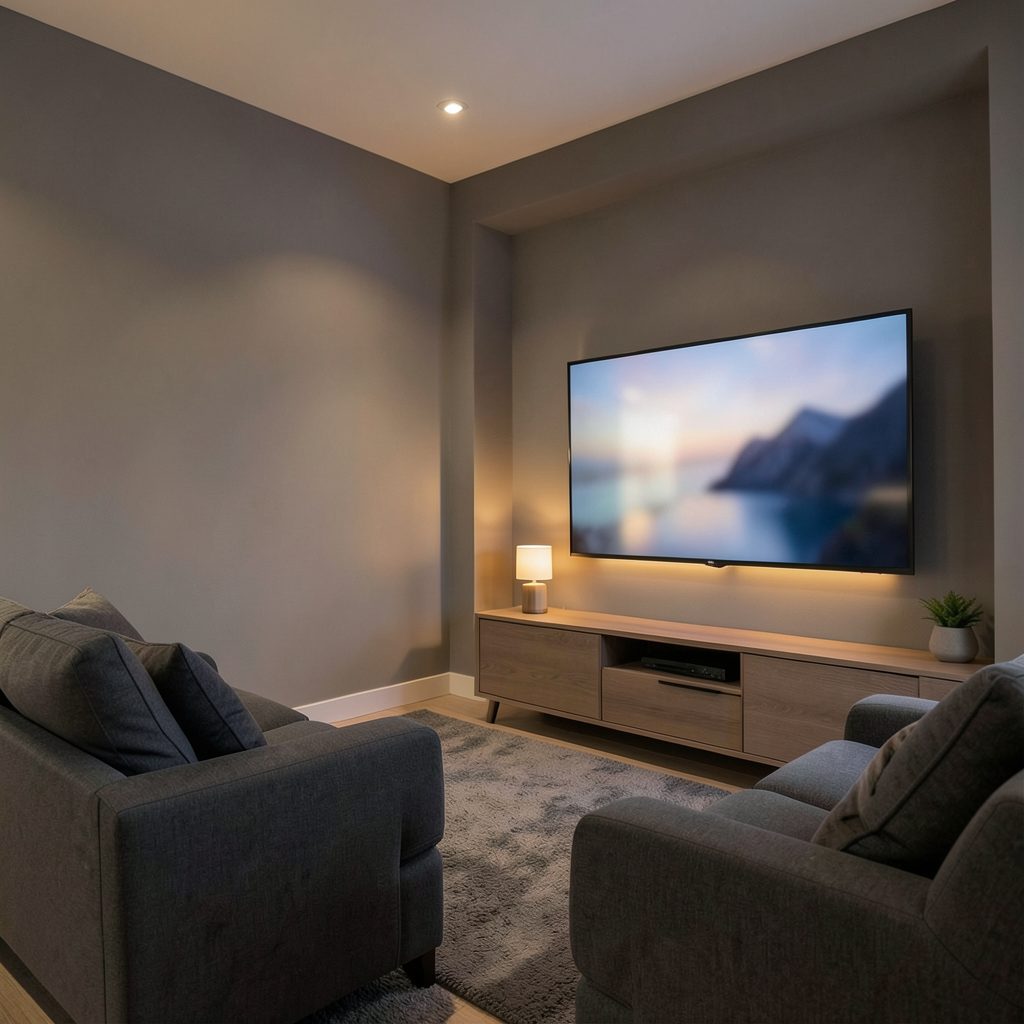
The idea of plugging a Switch into a dock, grabbing a controller, and watching the latest movies on a big TV holds obvious appeal. Australians in particular have warm feelings toward the console, with JB Hi-Fi shelves regularly stocked with the latest OLED model and Big W often running trade-in deals during the post-Christmas period. Plenty of buyers in Melbourne, Sydney, or Perth would happily repurpose an older Switch as a media box if it were practical.
The Switch was not designed to run apps like Popcorn Time. Its locked-down operating system, security keys held by Nintendo, and custom Tegra processor mean that getting unauthorised software onto the device is a serious technical project rather than a casual install. Even after years of homebrew development, the journey from stock console to a state where sideloading is possible remains complicated.
This walkthrough covers what sideloading Popcorn Time on a Switch actually involves, the homebrew scene that makes it possible, and the legal and practical considerations Australians should weigh before attempting it.
The Switch homebrew scene and Atmosphere
Atmosphere is the dominant custom firmware package for the Nintendo Switch, and it sits at the centre of nearly every homebrew project on the console. It works by exploiting vulnerabilities in the Switch's boot process, allowing a custom bootloader called Hekate to load unsigned code from the SD card. Without this groundwork, nothing else is going to run.
The catch is that newer Switch units, often labelled "ipatched" or "Mariko" models, have closed the relevant hardware exploits. If a buyer picked up a Switch at a local retailer in the last few years, chances are it is one of these patched units and cannot run Atmosphere without an external modchip. Older V1 consoles, sometimes found second-hand through Marketplace or Cash Converters, are the only ones still compatible with purely software-based methods.
Even on a vulnerable console, the process is not plug-and-play. Users typically need to inject a payload through a USB-C connection from a phone or computer, configure fusee-primary.bin on the SD card, and then manage separate sysNAND and emuNAND partitions. It is fiddly work that rewards patience and punishes anyone who skips steps.
Why Popcorn Time is not a standard homebrew app
Popcorn Time was originally an Electron-based desktop application, later forked into Linux, macOS, Windows, and Android builds. Most Switch homebrew, however, is written specifically for the Switch's Horizon OS and compiled as NSP or NRO files. The gap between those two ecosystems is wide.
The Switch is not a general-purpose computer, and Homebrew Menu apps run inside a sandboxed environment that expects Switch-specific APIs. Porting a desktop torrent client to this environment would require rewriting much of the user interface, the networking stack, and the media playback layer from scratch. Few developers have bothered, because the audience is small and the effort is enormous.
Some forks of Popcorn Time, such as those forked for Android, ship as APK files that draw on Android's media codecs and Java runtime. Android on the Switch exists in the form of community projects like Switchroot, which ports LineageOS to compatible hardware. That brings Popcorn Time one step closer to running, but it also adds another layer of complexity to an already involved process.
Running Popcorn Time through Android ports
Switchroot's LineageOS build is the closest thing to a mainstream Android environment available on the Switch, and it can theoretically run Android APKs including the Popcorn Time download you can find online. Performance is variable. The Tegra X1 chip in the original Switch is more than capable of decoding 1080p video, but Android drivers for the Switch's GPU and audio hardware are reverse-engineered and not always stable.
In practice, users who boot into Android on a Switch report mixed results. Streaming through torrent-based apps sometimes works, sometimes hangs, and occasionally forces a reboot when the network stack gets confused. Battery life also takes a noticeable hit, since the Tegra runs harder when handling peer-to-peer transfers and decoding video simultaneously.
There is no official Popcorn Time build targeted at Switch hardware. Anyone attempting this path is stitching together unofficial forks, custom Android images, and a Switch that has already been jailbroken. The result might be a working media player, but it is far from the polished experience Popcorn Time users enjoy on a laptop or Android TV box.
Network considerations for Australian users
Even if the software side works, the network side matters. Australia's National Broadband Network delivers wildly different speeds depending on the technology at a given address. FTTP and HFC households in the inner suburbs of Brisbane or Adelaide routinely see 100 Mbps or better, while fixed wireless users in regional Queensland or Western Australia can struggle to reach 25 Mbps, especially during peak evening hours.
Popcorn Time relies on torrenting, which is sensitive to both upload speed and peer availability. Australian IP addresses often have limited inbound peers for less popular titles, slowing streams. Latency to international peers is also higher from Sydney or Perth than it is from European nodes, meaning trackers can take longer to populate.
Some Australian ISPs have a history of throttling peer-to-peer traffic, and customers on legacy Telstra or Optus plans sometimes see degraded performance during heavy torrenting sessions. Those concerned about privacy on torrent networks often pair their setup with a VPN, but doing so on a Switch adds another layer of configuration. The Switch itself does not run VPN client apps natively, so the connection usually has to be handled at the router level or by tethering through a phone.
Legal and classification concerns in Australia
Australian law treats unauthorised downloading of copyrighted material more strictly than streaming it. While courts have generally focused on uploaders and torrent swarms, the Copyright Act makes downloading infringing content an offence in its own right. This matters because Popcorn Time is not a streaming service in the traditional sense, even though it presents a streaming-like interface. It pulls pieces of the file from peers as you watch, which still counts as downloading.
The Australian Classification Board also plays a role. Material that would be refused classification under the National Classification Scheme cannot legally be hosted in Australia, and some Popcorn Time catalogues include titles that have no Australian classification at all. Using the service to view such material can run afoul of local restrictions, even when the underlying content would otherwise be available on platforms like Stan, Binge, or Netflix Australia.
It is worth reading up on the tracker and protocol settings inside the app itself, since these affect both performance and what you connect to. None of these settings change the legal status of the content, however, which remains the responsibility of the user.
Practical risks worth considering
Modding a Switch carries real downsides. Installing custom firmware can trigger Nintendo's anti-piracy checks when the console connects to online services, and a banned Switch loses access to the eShop, online multiplayer, and firmware updates. That ban is permanent and tied to the device's serial number, so a second-hand buyer inherits the risk if the previous owner tripped the trigger.
There is also the brick risk. Bricking a Switch is uncommon but not impossible, particularly when using the wrong firmware files on the wrong hardware revision. Recovery typically requires a hard-mod and professional help, which costs more than a used Switch is worth on the Australian market. Warranty coverage is void the moment the casing is opened or a modchip is soldered in, so official Nintendo support is no longer an option.
Anyone still keen on this path should treat the Switch as a dedicated experiment rather than their primary console. A spare V1 unit running Hekate and Switchroot, paired with a wired Ethernet adapter in the dock and a robust VPN on the router, gets closest to a workable setup. Even then, the experience will not match what Popcorn Time offers on a Mac mini, an Nvidia Shield, or even a Raspberry Pi.
A more sensible path for most people
For Australians who simply want a popcorn-style streaming experience on a TV, the practical alternatives are sturdier. An Apple TV, a Chromecast with Google TV, an Amazon Fire Stick, or a $79 Android TV box from Kogan can all run Popcorn Time or its forks without any jailbreaking. They boot into environments where the app is supported, receive over-the-air updates, and connect to home Wi-Fi without tinkering.
If sideloading onto the Switch feels like a fun technical challenge, treat it as that and not as a media solution. Set realistic expectations, back up NAND before doing anything irreversible, and accept that online services will be off the table. With those guardrails in place, the project becomes a rewarding way to learn about custom firmware, even if it never replaces a regular streaming box.
Take the time to weigh the legal realities of downloading copyrighted content in Australia, the technical effort involved in modding a Switch, and the alternatives that skip the tinkering altogether. If the project still appeals, set aside a spare console for the experiment and treat the result as a bonus rather than a substitute for a dedicated media device. Most Australians will find that an off-the-shelf streaming stick delivers the same catalogue with a fraction of the hassle and none of the warranty headaches.