


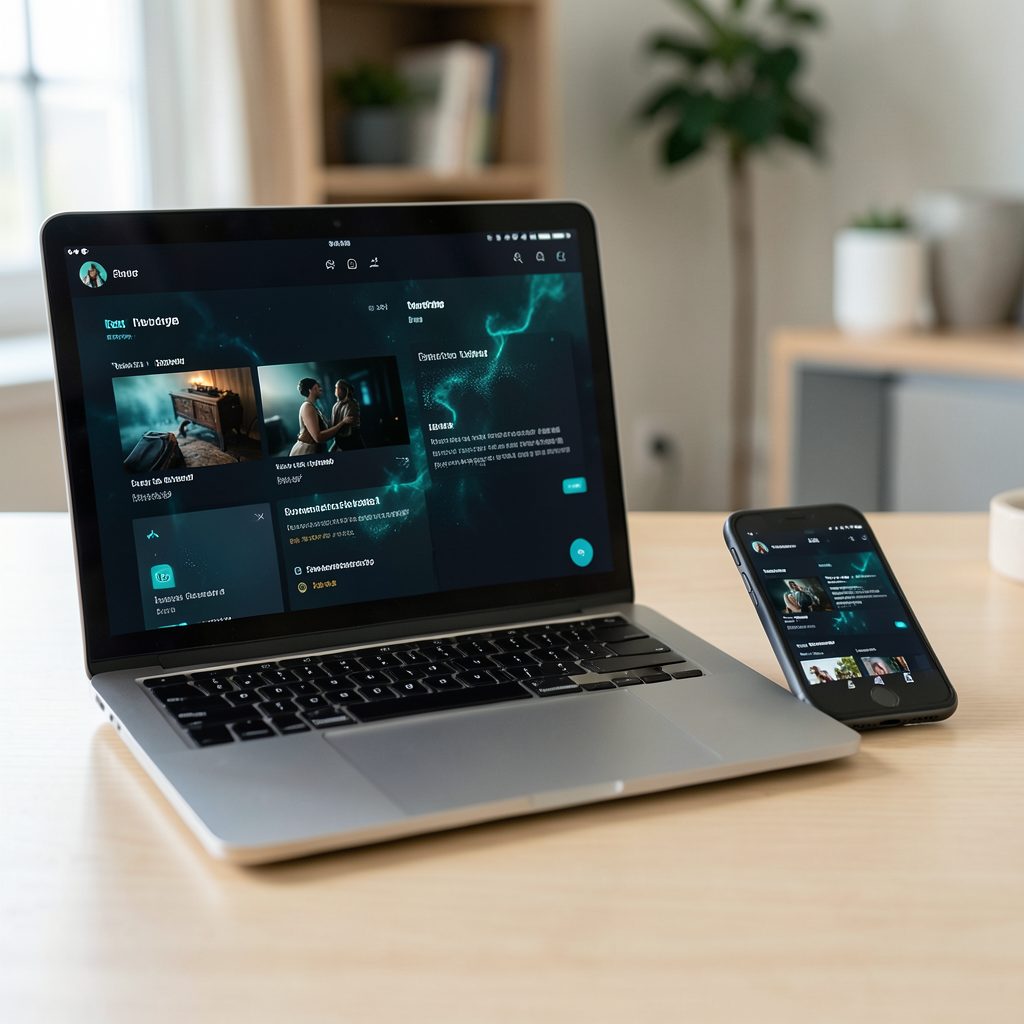
Popcorn Time on a Mac Mini as a Home Theatre PC
A Mac mini can turn an ordinary television into a flexible home theatre PC for movie and television playback. Its small enclosure, quiet operation and reliable HDMI output make it well suited to a lounge room, study or dedicated media cabinet. With the right settings, it can handle local files, legitimate streaming services and compatible Popcorn Time forks from one central device.
The setup is especially practical in Australia, where many households use a Mac mini with an NBN connection, a smart TV and a soundbar. The computer can remain connected to the television while phones, tablets and laptops continue to serve as remote controls or secondary screens. A wireless keyboard, trackpad or media remote keeps the experience close to that of a conventional set-top box.
Popcorn Time is associated with torrent-based streaming, so installation requires more care than downloading a standard media player from the Mac App Store. Different forks have different developers, interfaces, features and security records. Some may provide access to copyrighted material without permission, which creates legal and privacy risks for Australian users.
A dependable setup therefore combines sensible hardware choices, cautious software sourcing, strong network security and an understanding of local copyright rules. The goal is a smooth media centre that remains easy to maintain rather than a system that creates buffering, malware or unexpected legal problems.
Choosing The Right Mac Mini
Almost any recent Mac mini can serve as a living-room media computer. Apple silicon models, including the M1 and later versions, offer fast startup, low power consumption and excellent performance for high-definition video. An Intel Mac mini can also work well, particularly for 1080p playback, but older models may consume more power and receive fewer macOS updates.
Check the available ports before buying or repurposing a unit. HDMI is the simplest connection for a television, while USB-C or Thunderbolt can support an adapter, external storage or a second display. A Mac mini does not include a screen, keyboard or mouse, so budget for those items if the computer is not already part of a desk setup.
Storage capacity matters when the system will also hold downloaded legal media, subtitles or a local movie library. A 256 GB internal drive is enough for applications and streaming, but an external SSD is a better choice for a larger collection. Avoid placing the computer inside a sealed cabinet, as even an efficient mini PC needs airflow around its vents.
Connecting The Home Theatre Hardware
Connect the Mac mini directly to the television with a suitable HDMI cable, then choose the matching HDMI input on the TV. In most cases, macOS will identify the correct resolution automatically. Open System Settings, select Displays and choose the television’s native resolution and refresh rate if the picture appears soft, cropped or unusually juddery.
For sound, HDMI can carry stereo, surround formats and other supported audio signals to a compatible television or receiver. A soundbar connected through HDMI ARC or eARC may provide better dialogue and volume control than the built-in television speakers. Set the Mac mini’s output under Sound settings and confirm that the television or soundbar is selected rather than the computer’s default speakers.
A wireless keyboard with an integrated trackpad is often more useful than a conventional mouse. It allows navigation from the sofa, while a small Bluetooth remote can control basic playback in supported applications. Keep a standard keyboard available for troubleshooting, password entry and recovery tasks.
Installing Software With Care
Begin with a fully updated version of macOS and enable automatic security updates. Download media applications only from a source that clearly identifies the project, supported operating systems and release history. For a current installer or project information, use the official download page, then examine the file before opening it.
Popcorn Time has existed through multiple forks, and the name alone does not prove that a package is genuine. Be cautious with installers that demand unusual permissions, add browser extensions, redirect searches or ask for cryptocurrency payments. A torrent-based application should never require access to unrelated personal files, contacts or financial accounts.
macOS may display a warning for software from an unidentified developer. Do not bypass that protection automatically. First verify the source, compare the download with published checksums when available and scan the installer with reputable security software. Remove abandoned forks and old helper tools rather than allowing several versions to run at startup.
Configuring Playback And Subtitles
Open the application’s settings before starting playback. Select the preferred language, subtitle behaviour, cache location and maximum stream quality. A wired Ethernet connection generally delivers the most consistent performance, but a modern 5 GHz or Wi-Fi 6 network can handle high-definition video when the Mac mini is close to the router.
NBN performance varies between homes, providers and evening congestion. A connection that measures well during the afternoon may buffer during peak viewing hours in Sydney, Melbourne or Brisbane. If playback pauses, reduce the stream quality, move the router away from interference and test the Mac mini with Ethernet before assuming that the application is at fault.
Subtitle files can vary in timing and translation quality. Choose a release that matches the selected video and adjust subtitle delay when dialogue and text drift apart. Keep the cache on the internal SSD or a fast external drive, and leave free disk space available so macOS can operate normally.
Power-user controls can improve playback, searching and library organisation, but they also expose settings that can affect privacy and bandwidth. A practical streaming resource can help explain related media tools and viewing options, provided any recommended software is checked independently before installation.
Using Chromecast, AirPlay And Local Playback
AirPlay is convenient when the television or Apple TV supports it. From macOS, open Control Centre, select Screen Mirroring or the relevant media output and choose the target device. AirPlay may introduce a small delay and can behave differently with protected or unsupported content, so a direct HDMI connection remains the most reliable option for demanding playback.
Chromecast works differently. Some applications can cast directly, while others require Google Chrome to cast a browser tab or the entire desktop. Casting the desktop may reduce picture quality and add latency, particularly when the Mac mini is handling a high-resolution stream. Both devices should be connected to the same home network.
Local playback is often smoother than live torrent streaming. A legitimate downloaded file can be opened in a compatible media player, stored on a network-attached storage device or shared through a home media server. This approach also makes subtitles, audio tracks and playback position easier to manage across multiple devices.
Understanding Australian Legal And Privacy Issues
Australian copyright law does not make unauthorised access lawful simply because a service labels itself as streaming. Torrent-based applications may download and upload pieces of a file at the same time, which can expose an internet address to other peers. Watching or distributing copyrighted material without permission can create legal and civil risks.
Australian courts and rights holders have used website-blocking arrangements against services associated with copyright infringement. Internet providers may be required to block particular domains, and addresses connected with infringing activity can change frequently. A blocked website is not evidence that every alternative mirror or fork is safe, legitimate or private.
A VPN can encrypt traffic between the Mac mini and the VPN provider, which may reduce exposure on public networks and limit visibility for the local network operator. It does not make copyright infringement lawful, guarantee anonymity or protect against malware. Choose a provider with a clear privacy policy, reliable Australian or nearby servers and applications that support the Mac’s current operating system.
Avoid free VPN services that monetise browsing data or impose severe bandwidth limits. A VPN can also reduce speed, increase latency and cause problems with legitimate services that restrict access by region. Use it as one part of a broader privacy strategy, alongside strong passwords, software updates and careful source verification.
Making The System Reliable For Daily Use
Set the Mac mini to wake or remain available when the television is likely to be used, but configure display sleep separately so the screen can switch off without shutting down the computer. Automatic login may be convenient in a private lounge room, although a strong account password is preferable if other people can access the device.
Organise applications into a simple media folder and remove obsolete downloads regularly. Keep at least 15 to 20 percent of the internal drive free, especially on older Intel models. A small uninterruptible power supply can protect the computer and network equipment from brief outages, which are useful during summer storms or unstable local power conditions.
For homes in regional Australia, Wi-Fi coverage can be more important than advertised internet speed. Mesh access points or Ethernet-over-power adapters may improve a distant lounge room, while changing the router channel can help in dense apartment buildings in Melbourne or Perth. Test playback at the television rather than beside the router.
When an application fails, check the basics in order: network access, available storage, macOS compatibility, subtitle source and the selected playback device. The power-user tips can provide additional configuration ideas, but apply each change separately so it is clear which setting fixed or caused a problem.
Managing The Mac Mini Over Time
Keep a record of the macOS version, application source and external drives connected to the system. Before installing a fork update, read its release notes and search for recent reports about crashes, unwanted bundled software or broken playback. A fork that worked last year may no longer be maintained or compatible with a newer Apple silicon release.
Back up personal files separately from the media system. Time Machine can protect documents and application settings, while a second external drive can store irreplaceable photos or home videos. Do not treat a downloaded media folder as a backup, and do not leave sensitive documents on a computer that guests can access from the television.
Review privacy settings occasionally, including location access, microphone permissions, login items and network privileges. Uninstall software that is no longer needed and restart the Mac mini after major updates. These small maintenance steps help preserve fast startup and reduce the number of background processes competing with video playback.
A well-configured Mac mini should make ordinary viewing simple: select the television input, open the chosen media player and control playback from the sofa. Use authorised sources wherever possible, keep torrent-related software under careful scrutiny and treat security warnings as useful information rather than obstacles. With that approach, the Mac mini can remain a capable and tidy home theatre centre for Australian households.