
Streaming Popcorn Time on Chromecast with Google TV
Chromecast with Google TV has quietly become the favourite living-room streamer for renters and share-house crowds across Sydney, Melbourne and Brisbane, mostly because it handles every major catch-up app alongside the usual suspects. But plenty of Australians want to push what is on their phone straight to the big screen, and that is exactly where Popcorn Time earns its reputation as the original popcorn-flick experience. The app pulls torrents in the background and plays them as a continuous stream, so the whole thing feels closer to Netflix than to anything else with a download button.
The catch is that Popcorn Time is not on the Play Store, and Google TV does not accept sideloaded APKs the way older Android boxes did. You will need to do a bit of preparation, a pinch of patience, and a router that does not fall over the moment someone in the house starts a 4K YouTube clip. Below is a full walkthrough for Australian viewers who want to cast from a Popcorn Time app running on their phone, laptop, or the Chromecast itself.
Before you start, have a think about your home network. Aussie NBN connections vary wildly from suburb to suburb, and if you are on FTTC in a heritage terrace in Adelaide or HFC in a Perth unit block, your evening speeds can dip below what most streaming services advertise. Pair that with a 500 GB monthly data cap from the larger ISPs and you have a recipe for buffering or excess charges. Sorting those basics out first makes everything else smoother.
The good news is that Chromecast with Google TV runs Android TV under the hood, which means there is a familiar sideloading path once you know the steps. Whether you side-load straight onto the dongle or cast from another device, both methods work, and the choice mostly depends on how hands-on you like to be.
What you need before casting
Start with the basics: a Chromecast with Google TV plugged into a spare HDMI port, the Google TV remote paired, and the dongle logged into a Google profile. You will also want a phone or laptop that can install APKs if you plan to side-load the app directly. Most Australians already own an Android handset, and that is by far the easiest way to drive this whole setup.
A stable broadband line is the next item on the list. Telstra and Optus fibre plans tend to handle HD streams without much fuss, but if you are on a TPG or Dodo budget tier you may notice the picture dip when the kids hop online. If your router is the one your ISP shipped three years ago, consider swapping it for something with proper QoS controls, especially if your household juggles work calls and gaming on top of streaming.
You will be asked to enable "Install unknown apps" at some point, which is Google TV's way of warning you about sideloaded content. Toggle that on for whichever browser or file manager you use. A small Bluetooth keyboard or the phone-as-remote trick also helps when typing in search boxes, because entering titles with the Google TV remote alone is painfully slow.
Choosing a Popcorn Time fork for Australia
Popcorn Time stopped receiving official updates years ago, but the open-source community has kept the project breathing through various forks. Each fork tweaks things like the catalogue, subtitle handling, or built-in VPN support, and Australians tend to pick based on whether they care more about old classics, new releases, or anime. The main upstream project on GitHub remains the reference point, and most forks pull their code from there.
Network throttling is something worth thinking about here. Some Australian ISPs have been known to slow down torrent traffic during peak hours, so a fork that lets you connect through an external VPN or SOCKS proxy is a sensible choice. Check the project's settings menu before you install and see whether it has a slot under "Proxy" or "Network." That single checkbox can be the difference between a buffer-free session and a stuttering mess at 7 pm on a Wednesday.
Subtitles are another area where forks differ. If you regularly watch Korean dramas or European films, look for a build that pulls from OpenSubtitles and lets you pick multiple language tracks. Australian audiences often want English plus the original language when the dub is rough, and a good fork handles both without forcing you to fiddle with separate files.
If you get stuck at any point, the Popcorn Time FAQ covers the most common questions about choosing and installing the right build for your device.
Loading Popcorn Time onto your Chromecast with Google TV
To side-load onto the dongle itself, switch on Developer Options in the Google TV settings. Go to System, then About, tap the Android TV OS build seven times, and you will see the developer menu appear. Inside it, turn on "USB debugging" and "Apps from unknown sources," then note down the IP address shown under Network, because ADB over Wi-Fi is much tidier than fishing for a USB cable behind the TV.
On your laptop, download the Android SDK Platform Tools and open a terminal or command prompt. Type adb connect followed by the dongle's IP, accept the RSA prompt that pops up on the TV, and you are ready to push files. Grab the APK of your chosen Popcorn Time fork, then run adb install followed by the file name. Within a minute or two the app icon should appear on your home screen, ready to launch.
If you would rather skip ADB entirely, there are simpler paths. Apps like Send Files to TV and File Commander make it possible to drop an APK onto the dongle over your home network without touching a terminal. The trade-off is that some forks flag these helpers as suspicious and refuse to install, so a clean ADB push is generally the most reliable method. Either way, once Popcorn Time is installed, the familiar purple interface loads and the catalogue begins to populate.
Pairing your phone or laptop with the dongle
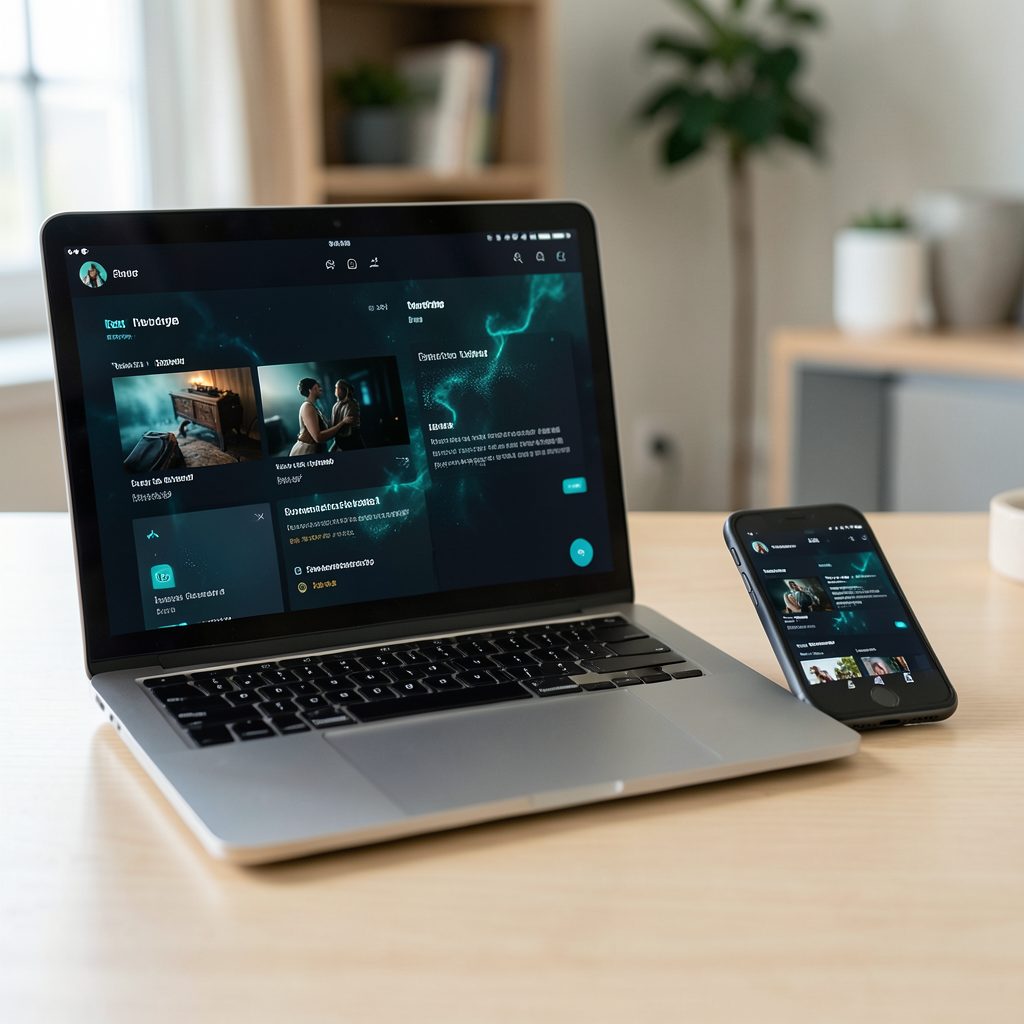
Many Australians prefer to keep Popcorn Time running on their phone and use the Chromecast purely as a display. That works because Popcorn Time's mobile versions include a built-in cast button that talks to any Google Cast receiver on the same Wi-Fi network. Tap the small rectangle icon at the top of the player, choose your Chromecast with Google TV, and the picture jumps from your handset to the telly in about three seconds.
If you are casting from a laptop, the workflow is slightly different. Windows users can right-click the Popcorn Time window in Chrome and pick Cast, while macOS users need to use AirPlay through a third-party receiver such as AirParrot, because the desktop Popcorn Time player does not include native Chromecast support. Melbourne-based developer types sometimes run the app inside an Android emulator and then cast from there, which keeps everything inside a single window.
Latency is the main frustration for cast-from-phone setups. There is roughly a one-second delay between tapping play on your handset and the action happening on the TV, which is fine for films but noticeable when you are trying to pause at a specific moment. Turning off Bluetooth on your phone can shave a bit off that delay, and so can keeping the handset in the same room as the router.
Streaming movies and shows without buffering
Once everything is in place, the streaming experience is where Popcorn Time actually shines. The app adjusts the bitrate on the fly based on your connection, much like the paid services, and you can usually pick between 720p and 1080p for most titles. If you live in a newer Sydney apartment with full-fibre to the apartment, you can often squeeze out 1080p without any spinning wheel, but the further you are from the node the more you will rely on the 720p fallback.
Peak evening hours on the NBN are a real consideration for Australian streamers. Between 7 pm and 11 pm, even solid plans can drop by 30 or 40 percent, which is when the buffer bar starts to fill more slowly. Queuing two or three episodes before you sit down helps, as does lowering the resolution manually in the Popcorn Time settings. Australians who travel with their dongle, taking it to holiday rentals in Noosa or a mate's place in Geelong, should remember that regional NBN speeds are often a step behind metro performance.
If you want a wireless cinema-style setup, pair the Chromecast with a Bluetooth soundbar or a set of rear speakers. Popcorn Time outputs proper 5.1 audio when the source file carries it, and Google TV passes that through untouched. The result is a night-in that feels closer to a Gold Class ticket than to a lazy arvo on the couch with a laptop.
Staying private and legal while watching
The legal situation around Popcorn Time in Australia is murky but worth understanding. Streaming copyrighted content without paying for it can breach Australian copyright law, and rights-holders have been known to send notices to ISPs when they detect torrenting. Big telcos such as Telstra and Optus pass those notices straight to customers, and repeat infringements may lead to throttling or account warnings, even if you are technically only streaming.
A reputable paid VPN is the standard advice for keeping your downloads private. Look for a provider with Australian servers, a clear no-logs policy, and a kill switch that cuts traffic if the tunnel drops. Free VPNs are tempting but usually slow, data-capped, and far less trustworthy, which defeats the entire point. Run the VPN on your router or directly inside the Popcorn Time proxy settings, and your evening viewing becomes a much more private affair.
Beyond the legal side, think about household etiquette too. If you are sharing the dongle with flatmates or family, set up individual profiles in Google TV so your watch history stays separate. Popcorn Time does not keep a synced list the way Netflix does, but the Google TV home screen will pick up on what you have been watching and start recommending similar content to everyone in the house.
Ready to give it a go? Grab your Chromecast with Google TV, clear an evening in this arvo's calendar, and have your phone, a fork of Popcorn Time, and a decent VPN ready to go. Once the first film loads in glorious high definition and the buffer bar holds steady, you will wonder why you spent so long hovering over the Play Store.