


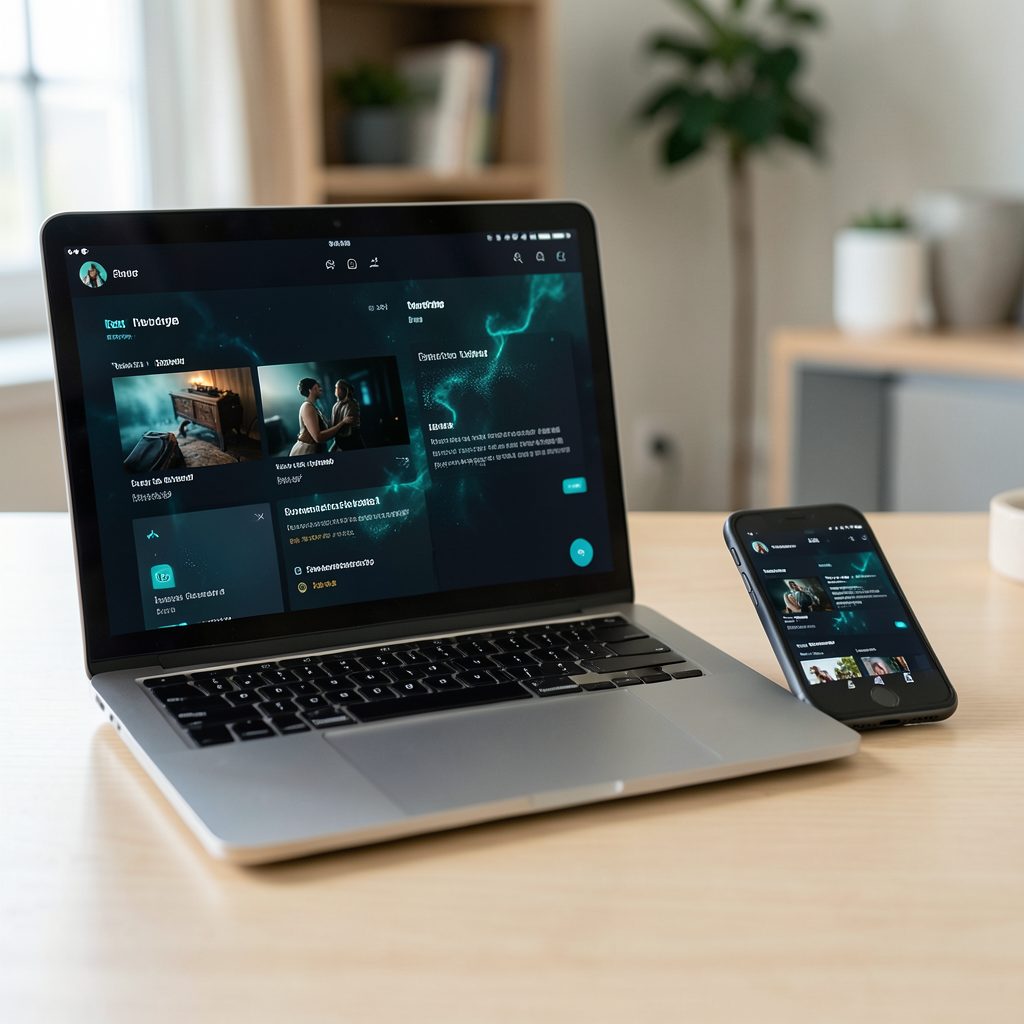
Stream TV series on Popcorn Time without the opening credits
Catching up on a long-running series is meant to be relaxing, not a chore. The opening titles roll, then a two-minute recap reminds you of what happened three episodes ago, and by the time the actual storyline starts you have already glanced at your phone. Anyone who has powered through a full season of a soap or a sprawling sci-fi saga knows the drag of sitting through the same credits every single time.
Popcorn Time is a streaming app that pulls in torrent streams of films and television, wrapping them in a Netflix-style interface so viewers can browse, pick an episode and hit play without thinking about file management. Because it draws on a wide pool of community-uploaded torrents, it tends to surface a broader catalogue of TV series than the typical subscription catch-up services available in Australia, including international dramas, cult comedies and current hits from overseas networks.
This guide walks through the practical steps for trimming those opening titles and recap segments automatically inside Popcorn Time, so the time you spend on the couch in Sydney or Melbourne actually goes toward the story. It covers which forks support the feature, how to configure the skip options, how an external player like VLC can tighten things up further, and what to do when casting to a TV or troubleshooting a stubborn episode.
Why auto-skip matters when marathoning TV shows
Long opening credits were once a branding exercise, a way for networks to remind viewers of the production team before settling in. For streamers running through an entire season in a weekend, those title sequences add up fast. A twenty-second intro becomes roughly eight minutes of credits over a twenty-four-episode run, and a recap segment can easily double that. For Australians working around AEST and AEDT and slotting episodes in after work, those minutes feel more valuable than ever.
Local soaps make the case even stronger. Shows like Home and Away and Neighbours carry intro sequences that run long by international standards, sometimes with a montage of the current cast alongside a song viewers either love or know by heart. Sit through six in a row and the novelty wears off quickly, especially when someone at home is watching the cricket score tick over in another window and the arvo is slipping away. Recap segments aimed at casual viewers who missed last week spoil nothing new when you are catching up in order, and merely delay the plot. Auto-skipping them lets you slip straight into the new content with the same flow as reading chapter after chapter of a novel, which is exactly the experience most binge-watchers in Brisbane or Perth chase when they queue up a series.
Choosing a fork with built-in skip controls
Popcorn Time is no longer a single app but a family of community-maintained forks, each tweaking the original source in a slightly different direction. The default behaviour around intros and recaps depends entirely on which build you install. The cleanest mainstream option is the one distributed through the main download portal, which carries sensible defaults and reasonable subtitle handling for English-language series popular on Australian screens.
If finer control is the goal, including longer skip windows and the ability to tweak timings per series, a community fork is worth a look. These projects often add a skip intro button, a skip recap button and configurable thresholds for what counts as either. Some of the more experimental builds live on smaller sites run by enthusiasts and catalogue modified versions alongside notes about which players they support and which regions they have been tested in. When picking a fork, weigh a few things: whether the build is still being updated, whether the skip feature is properly documented, and whether the fork supports the operating system you actually use, from Windows and macOS through Linux to Android on the family telly in the loungeroom.
Turning on the skip buttons inside Popcorn Time
Once a build with skip support is installed, the controls are usually tucked away in the settings panel rather than front and centre. Open the app, head to the settings cog, and look for a section labelled something like playback, subtitles or extensions. Within that area, a toggle for skip intros and another for skip recaps should appear, each disabled by default so the first run behaves like a traditional player. Flip both on, save and reload.
When you play an episode, a small overlay appears at the bottom of the screen during the intro window with a button offering to skip ahead to the action. The same overlay shows up at the start of the next episode when it carries a recap. Hit the button and playback jumps to the timestamp Popcorn Time thinks the intro ends, which for most series is fairly accurate. Some forks also let you tune the sensitivity, meaning how confident the app needs to be before triggering the skip prompt. Lower the threshold and the button appears on more shows, even when it occasionally misfires. Raise it and the prompt only appears on titles with very clean chapter markers. Australian viewers who like to mute the TV and glance at the cricket scoreboard during a long ad break will probably want the prompt appearing more often, not less.
Pairing with VLC or MPV for tighter skipping
The internal player inside Popcorn Time is decent, but not always the best at parsing chapter markers, especially for series tagged inconsistently on their original torrent sources. Pairing the app with an external player, typically VLC or MPV, gives you a more reliable media engine and a wider set of keyboard shortcuts, including the ability to jump forward by exact seconds with a single keystroke.
To use VLC, open Popcorn Time, navigate to settings and look for an external player option. Point it at your VLC executable and save. From that point on, episodes will launch in VLC rather than the built-in player. The skip overlays can still appear depending on the fork, but VLC itself also adds its own skip-back and skip-forward shortcuts that work regardless of metadata quality, handy when an intro is unusually long or oddly timestamped. MPV is another solid choice, particularly for viewers who want a lightweight player that handles subtitles cleanly and starts almost instantly. It is a favourite among Australian power users who run Popcorn Time on an older laptop hooked up to the TV in the garage, or on a small media box connected over the household NBN. With either external player, close the Popcorn Time window after playback begins, otherwise two copies of the episode may stream in parallel and chew through the monthly data allowance.
Casting to the telly without losing the skip
Most viewers in Australia eventually end up casting from a laptop or phone to the big screen in the living room, and the good news is that the skip feature travels with the stream when done right. Chromecast support inside Popcorn Time mirrors the playback window to the TV, including any skip overlays, so the same button that appears on the laptop shows up on the telly. AirPlay works similarly for those running the app on a Mac and beaming to an Apple TV in the loungeroom.
For setups that use an HDMI cable rather than wireless casting, you are essentially using the laptop as the playback device, which means the VLC or MPV controls are all available on the remote keyboard. The skip overlays behave exactly as they do on the laptop screen, and you can still hit a button to jump past a long recap even if you are leaning back on the couch three metres from the screen. Where things get fiddly is when the cast is interrupted by network jitter. NBN connections are generally solid in capital cities, but regional areas can still see enough packet loss to break a wireless cast. If the cast drops, the skip overlay goes with it, and you may need to reconnect before the next intro. Where possible, run an Ethernet cable from the router to the casting device, especially in suburbs where the local node struggles during peak evening hours when half the street is streaming the same AFL match.
Sorting out glitches when skipping goes wrong
A few common issues crop up once the auto-skip feature is enabled. The most frequent is an incorrect timestamp, where the app jumps slightly into the opening scene and cuts off the first line of dialogue, or stops a beat too early and shows the tail of the credits. This usually means the torrent source used unusual chapter markers, and the fix is to toggle off the auto-skip and use VLC's manual shortcut, or pick a different torrent source from the dropdown inside the player when one is available. Subtitle timing can also drift after a skip, especially when the subtitles were hard-coded into the video file rather than stored as a separate track. Switching to an external player usually solves it, and within VLC you can resync subtitles with a single keystroke if they fall out of sync during a recap sequence.
Privacy is worth a brief mention, since Australia has stricter data retention expectations than some neighbouring regions and several ISPs actively monitor torrent traffic. Running Popcorn Time through a reputable VPN hides the torrent handshake from the local network and prevents throttling on plans that throttle P2P traffic. Most forks work seamlessly with a VPN running in the background, and the skip overlays continue to function without extra setup, so there is no real trade-off in usability. For readers who want a deeper reference of fork versions, build notes and player compatibility, the community fork index is a useful place to start. It keeps a running log of which builds remain functional, which forks have introduced new skip options and which platforms each version supports, saving a lot of trial and error for anyone new to the Popcorn Time ecosystem.
Quick wins for better auto-skip performance
- Pair Popcorn Time with an external player like VLC or MPV for tougher timestamps
- Lower the skip sensitivity threshold if the button rarely appears during intros
- Keep the chosen fork updated so torrent protocols and skip features keep working
- Run through a VPN on Australian ISPs that actively monitor or throttle P2P traffic
- Adjust subtitle delay by a beat or two if captions drift right after a skip
Try the recommended build, switch on both skip toggles and queue up an Australian series you have been meaning to revisit. Within an episode or two the feature will pay for itself in minutes saved, and a full season will glide past without the usual recap fatigue. From there, fine-tune the thresholds, point the app at your preferred external player and settle in for a viewing session that finally respects your time.