


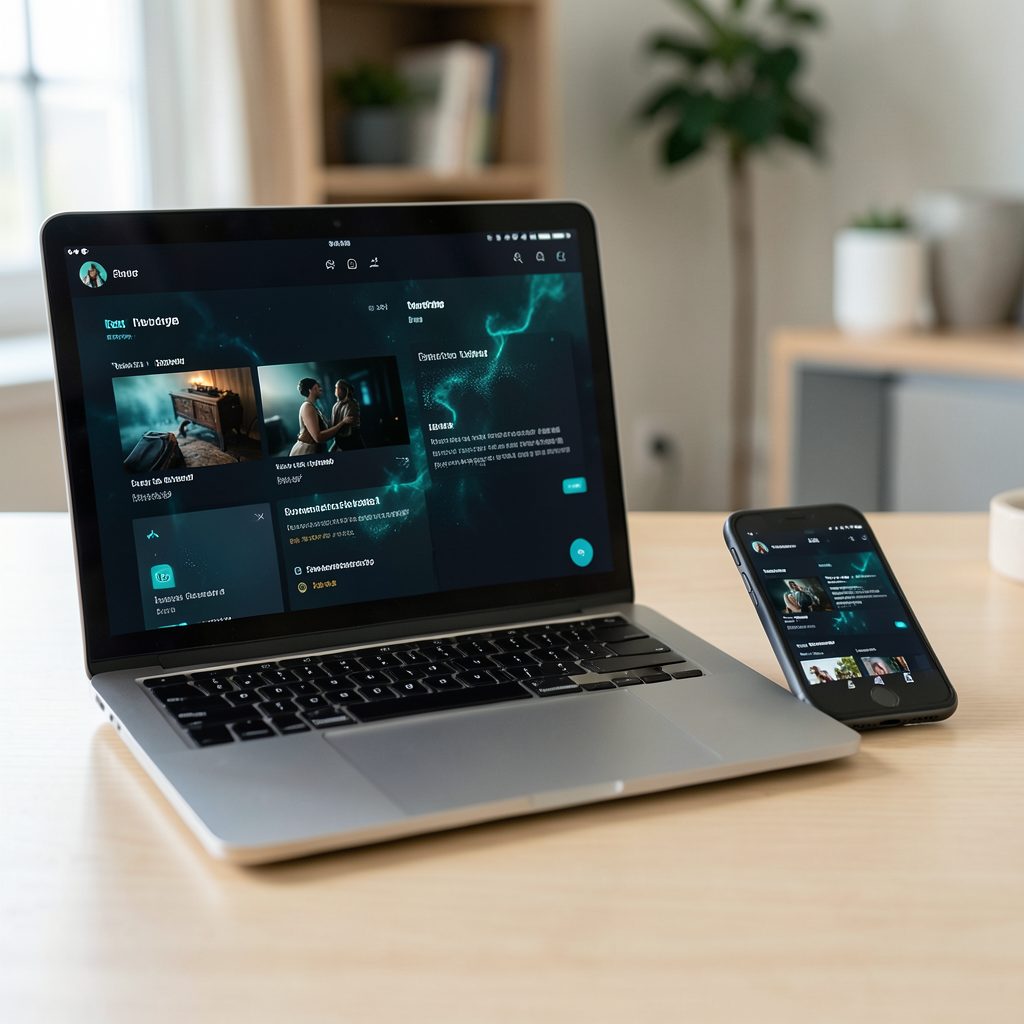
Popcorn Time for Kids: Safer Search and Parental Controls
Popcorn Time is designed for browsing and streaming films and television shows, but its open catalogue and torrent-based technology require extra care when children are using it. Titles may be poorly classified, thumbnails can be unsuitable, and search results may lead to content that would never appear in a child-focused streaming service.
Families in Australia also need to consider local classification rules and the availability of safer alternatives. A programme suitable for a teenager in a US database may have a different rating, description, or release status in Australia. Services such as ABC iview, SBS On Demand, Netflix, Stan, Binge and Disney+ generally provide more consistent profiles and parental settings.
A safe setup begins with supervision rather than a single switch. Search filters can reduce accidental exposure, while device restrictions, separate user accounts and a household viewing agreement add useful layers of protection. No filter is perfect, particularly when an application uses sources supplied by third parties.
Parents should also explain why some streams are unavailable or unsuitable. Children need to know that online safety includes privacy, copyright, scams and respectful viewing habits, as well as avoiding frightening or explicit material. A calm explanation works better than relying on hidden passwords alone.
Choose a Child-Safe Viewing Environment
Start by deciding whether Popcorn Time is appropriate for the child’s age and maturity. A young child should not browse a torrent-based catalogue independently. Even when a title looks like an animated film, its artwork, description, subtitles or linked sources may contain adult themes. Older teenagers may be able to use the application with supervision, but they still need clear boundaries.
Create a separate profile on the television, streaming device or computer whenever the platform supports it. Keep the adult account protected with a password or device PIN, and avoid saving payment details in a browser used by children. On a family laptop in Brisbane or Perth, a separate operating-system account can prevent a child from changing browser extensions, installing unknown software or accessing private files.
Download applications only from a source you can verify, and inspect the installer before opening it. Different Popcorn Time forks can have different interfaces, update methods and privacy practices. If you are assessing a particular release, review the Time4Popcorn download page carefully, check what platform it supports, and avoid installers that bundle unrelated programs or request excessive permissions.
Create a Safer Search Routine
A search filter should be treated as a first barrier, not a guarantee. If the fork provides age ratings, genre exclusions, keyword blocking or a family mode, enable every relevant option before handing over the remote. Block terms associated with explicit sexual content, graphic violence, gambling and drug use, while remembering that spelling variations and misleading titles can bypass keyword filters.
Use a short approved-watchlist system for younger viewers. Parents can search first, check the title, read a reliable synopsis and add suitable choices to a shared list. This turns browsing into a limited menu rather than an unlimited catalogue. For family movie night in Melbourne, it may be easier to prepare two or three options before dinner than to let children scroll through hundreds of posters.
Search results should be checked from the adult account because a title’s rating can be incomplete or inconsistent. Look at the Australian classification where one is available, then compare the description with a trusted local source. The Australian Classification website can help explain categories such as G, PG, M, MA 15+ and R 18+, but classification is guidance rather than a substitute for knowing the individual child.
Curated recommendations can also reduce random searching. If you are selecting quieter films for an early evening, a list of evening viewing ideas may help generate options, but verify each title independently because third-party lists do not replace Australian ratings or parental judgement.
Use Device and Network Parental Controls
Set controls at more than one level. The television or streaming stick may offer a PIN for mature content, while the operating system can restrict app installation and screen time. Apple Screen Time, Google Family Link, Microsoft Family Safety and console-level family settings can limit access, although the exact menus change between versions. Check the settings after major software updates.
A home router may provide DNS filtering, scheduled internet access and device-specific blocking. These tools can reduce access to known adult domains, but they cannot reliably classify every torrent source or video title. A child can also move to mobile data, a friend’s Wi-Fi or another device, so explain that the household rules apply outside the lounge-room television as well.
For households using Chromecast or AirPlay, keep casting controls restricted to trusted devices. A child who can cast from any phone on the network may accidentally display unsuitable content on the main television. Disable guest casting where possible, use a recognisable device name, and review which phones, tablets and computers are paired with the TV.
Set a realistic schedule that suits Australian family routines. A school-night limit may need to account for homework and early mornings, while holiday rules can be more flexible. Families in Adelaide or Hobart might use a shared charging station in the kitchen overnight so phones and tablets are not used privately after bedtime.
Useful controls to check
- Separate child and adult profiles with a protected PIN
- Age ratings, family mode and blocked search terms
- App-installation approval and operating-system restrictions
- Router schedules, DNS filtering and casting permissions
Review Content Before Viewing
Previewing a title is one of the most effective safeguards. Read the plot summary, inspect the classification advice and check for warnings about violence, sexual references, coarse language, substance use or frightening scenes. A film rated PG may still be upsetting for a sensitive primary-school child, while an M-rated title may be unsuitable for younger viewers even if it has a popular cast.
Watch the opening minutes with the child when possible. Subtitles can contain language that differs from the audio, and fan-uploaded files may have inaccurate metadata. Check that the title is the expected version, especially when several films share a name. If the stream begins with unexpected advertising, redirects or requests for personal information, stop playback and close the page.
Talk about the difference between a recommendation and permission. Children can suggest films, but an adult should make the final choice until they have demonstrated reliable judgement. Encourage them to pause the programme and call a parent if a scene is confusing, frightening or inappropriate. This gives them a practical response instead of making them feel they will be punished for reporting a problem.
Australian households should also consider timing and context. A scary film may be manageable during daylight but troubling before sleep, and a title rated M may be intended for mature teenagers rather than younger children. Local school expectations, family values and cultural considerations matter as much as a database label.
Protect Privacy and Stay Within the Rules
Explain that Popcorn Time forks may connect to peer-to-peer networks, which can expose technical information such as an IP address to other participants. Children should never enter their full name, school, home address, phone number or social media login into an unfamiliar pop-up. They should also avoid downloading “special players,” browser extensions or codec packages offered by random pages.
A VPN can improve privacy on public Wi-Fi, but it does not make unsuitable content safe, remove malware or change copyright obligations. It should not be presented as a way to bypass Australian rules or a service’s terms. If a family uses one for legitimate privacy reasons, adults should choose a reputable provider, understand its logging policy and configure it themselves.
Torrent-based streaming may involve unauthorised copies, and copyright law applies in Australia even when a programme is easy to find online. Parents are responsible for setting household expectations, including using licensed services where possible. ABC iview and SBS On Demand can be useful local options, while commercial platforms often provide stronger child profiles, viewing histories and content controls than open catalogues.
Review the setup every few months. Check whether the application has changed, whether the child has found another device, whether passwords are still private and whether router or operating-system controls remain active. A brief family review is also a good time to discuss phishing, fake download buttons and the importance of asking before installing anything.
Warning signs that need attention
- A child is searching for mature titles or hiding viewing history
- Pop-ups request passwords, payments or personal details
- New apps, extensions or unknown files appear on the device
- Playback redirects to gambling, adult or suspicious download pages
A safer family setup combines technical controls with active supervision, age-appropriate conversation and lawful viewing choices. Configure the child profile first, test blocked searches yourself, preview several titles and restrict casting before giving access to the remote. Keep the adult account separate, revisit the rules as children grow, and favour services with transparent Australian ratings and dependable family features whenever they meet your needs.