


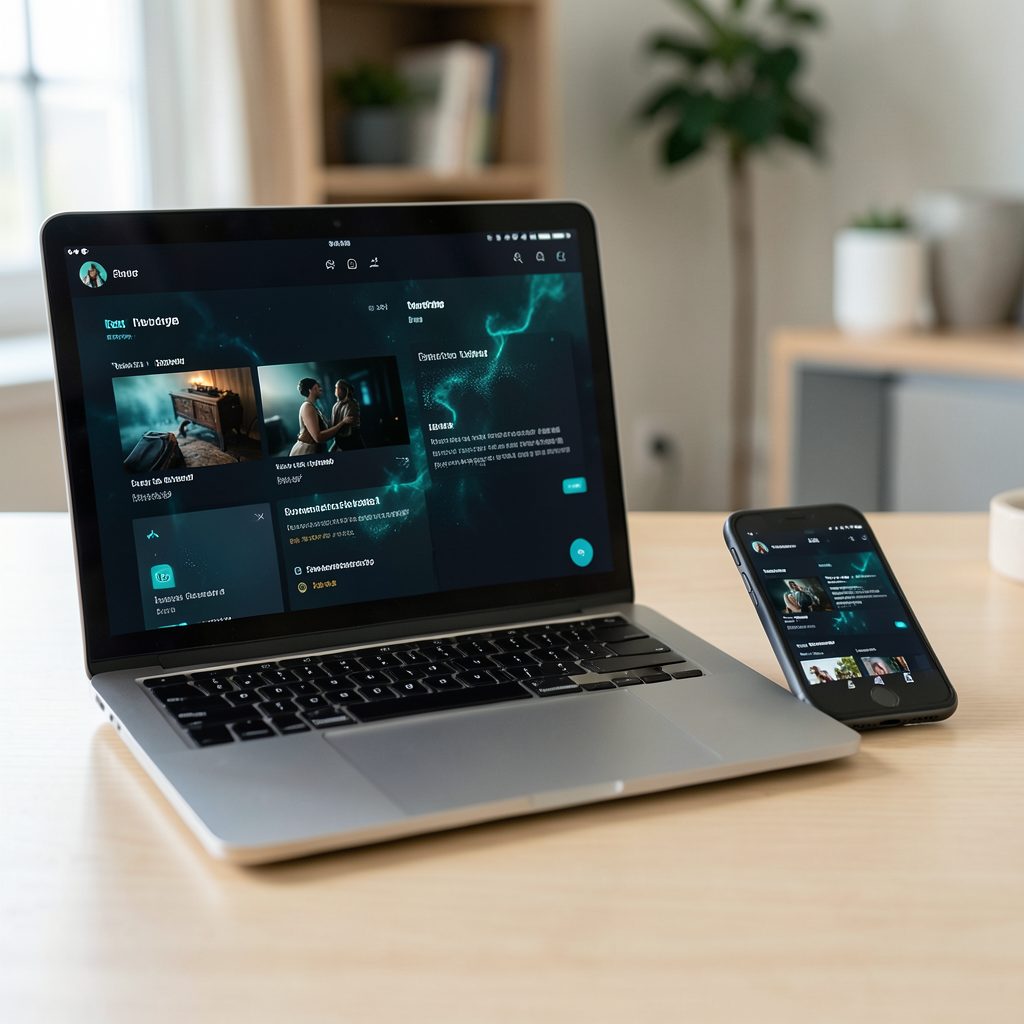
Popcorn Time for gamers: stream while you play
Gaming and video streaming often compete for the same internet connection, display, and audio equipment. A film running in the background can make a long download feel less tedious, while a television show may provide company during a relaxed single-player session. With a torrent-based application such as Popcorn Time, however, smooth playback depends on more than pressing play.
The practical goal is to separate gaming performance from streaming traffic as much as possible. That means choosing the right device, managing bandwidth, protecting personal network data, and understanding the legal status of the content being accessed. A few adjustments can make casual multitasking far more reliable without assuming that every setup will behave the same way.
Why gamers combine streaming and play
The best pairing usually involves a game that does not demand constant attention. Story-driven adventures, simulation games, strategy titles, crafting sandboxes, and familiar multiplayer matches leave more mental space for a film or series. Competitive shooters and ranked matches are less suitable because dialogue, sound effects, and network fluctuations can quickly become distractions.
A second-screen arrangement is often more comfortable than placing a video window over the game. A desktop gamer might use a tablet, spare monitor, or television for playback, while a console player can stream on a separate smart TV. This keeps the game interface clear and lets each device handle its own controls.
Popcorn Time relies on torrent-based delivery, so playback can involve simultaneous downloading and uploading. That differs from a conventional platform with a predictable content delivery network. The available torrent health, peer activity, and local connection quality can affect start times and stability even when other streaming services work normally.
Bandwidth matters more than raw speed
An internet plan may advertise a high download rate, but gaming and streaming also depend on latency, jitter, packet loss, and upload activity. A game can feel responsive at modest bandwidth when the connection is stable, while a torrent stream may create congestion by opening several peer connections at once. The result can be delayed inputs, voice-chat glitches, or sudden video buffering.
Wired Ethernet remains the simplest improvement for a desktop, console, or streaming box. If Wi-Fi is necessary, use the less crowded 5 GHz or 6 GHz band when the device supports it, and keep the router away from thick walls and other sources of interference. A modern router with traffic prioritization or quality-of-service controls can assign higher priority to game traffic than to background media.
Resolution also has a direct effect on network demand. High-definition playback may be adequate on a second screen, while 4K video can consume enough bandwidth to interfere with an active match. Lowering playback quality, pausing downloads during competitive sessions, or scheduling large game updates for another time can protect the connection.
Choosing hardware for a two-screen setup
A computer with a modern processor and sufficient memory can often run a game and video player together, but the graphics card may become the limiting factor. Hardware acceleration helps decode video efficiently, yet an older GPU can still struggle when a demanding game is rendering at a high frame rate. Monitoring GPU usage, memory consumption, and temperatures can reveal whether the problem is software or hardware.
For console gamers, using a separate television, phone, or laptop is usually easier than attempting to run an unsupported application on the console itself. Chromecast, AirPlay, and compatible media receivers can move playback away from the gaming screen, although casting performance depends on the source device and local network. The sender and receiver should generally be connected to the same network for discovery and stable playback.
Smart TV compatibility varies between operating systems, manufacturers, and Popcorn Time forks. An application designed for Android TV may not work on a Samsung or LG platform, and unofficial packages can carry security or reliability risks. Before attempting installation, review this Smart TV guide to check device limitations, casting options, and setup considerations.
| Gaming setup | Streaming method | Main benefit | Common concern |
|---|---|---|---|
| Gaming PC with second monitor | Local playback in a separate window | Easy control and flexible display layout | GPU and memory load |
| Console with smart TV | Playback on an independent television | Game performance stays isolated | App and format compatibility |
| Laptop beside a console | Direct laptop playback | Simple and portable | Wi-Fi congestion |
| Phone or tablet with casting | Chromecast or AirPlay | Keeps the main screen free | Battery use and cast interruptions |
| Shared household network | Any supported device | Works across existing hardware | Other users may experience slower service |
Keep game traffic responsive
Before starting a session, close launchers, cloud-sync tools, browser tabs, and file transfers that are not needed. Game clients often download patches in the background, and operating systems may begin updates without drawing much attention. Together with torrent activity, these tasks can saturate the connection and cause inconsistent latency.
In-game network graphs are useful when available. A rising ping value, unstable frame pacing, or packet-loss warning may point to congestion rather than a problem with the game server. Router dashboards can provide additional information by showing which device is consuming bandwidth. If the gaming machine is using Wi-Fi, testing it briefly with Ethernet can help isolate wireless interference.
Avoid relying on a VPN as a universal performance fix. A VPN can conceal the public IP address from peers and reduce exposure on an untrusted network, but it adds an extra routing step and may increase latency. Its policies also matter: a provider should clearly explain logging, bandwidth limits, server locations, and how it handles torrent traffic. A VPN does not change copyright rules or make unauthorized distribution lawful.
Set up playback with fewer interruptions
Start by testing the video stream before launching a demanding game. Let the opening minutes buffer, check whether subtitles and audio are synchronized, and verify that the selected quality is appropriate for the connection. If the application offers settings for cache size, connection limits, or playback quality, use conservative values first rather than maximizing every option.
Audio deserves attention in a multitasking setup. A second device with its own speakers can prevent game sound from masking dialogue, but two audio sources may become confusing in a shared room. Headphones with a transparent ambient mode, separate volume controls, or a television at low volume can provide a better balance. Voice chat should be routed to the gaming headset so teammates do not hear the film.
Fork selection also affects reliability. Popcorn Time versions can differ in interface, catalog indexing, platform support, update frequency, and installation method. Use a reputable source and inspect downloaded files before opening them. For users evaluating a compatible desktop option, the Time4Popcorn download page provides a starting point, but software should still be checked against the device, operating system, and current security guidance.
Protect accounts, devices, and privacy
Torrent-based applications may connect to multiple peers, which creates a different privacy profile from ordinary streaming services. Network participants can potentially see the public IP address associated with a peer connection. A VPN may reduce that exposure, but it should be treated as one privacy measure among several rather than a guarantee of anonymity.
Keep the operating system, browser, router firmware, antivirus tools, and media components updated. Download installers only from sources you can evaluate, avoid random repackaged builds, and scan files before installation. Do not grant administrator privileges or disable security tools simply because an installer requests it without a clear explanation.
Legal considerations vary by country and by the specific film or show. Some streams may involve copyrighted material distributed without permission, and watching or sharing that content can create legal risk. The application itself does not determine whether a particular title is authorized. Check local law and favor licensed services, public-domain films, official broadcaster platforms, or media you have permission to access.
A practical routine for smoother sessions
A repeatable routine reduces the chance that streaming will disrupt a game at the worst moment. Test the network during a quiet period, identify which device will handle video, and decide whether the session is casual or competitive. For ranked play, pause the stream entirely if latency becomes inconsistent; a few minutes of uninterrupted gaming is preferable to a frustrating match.
Use these habits before pressing play:
- Connect the gaming device by Ethernet whenever practical.
- Place streaming on a separate screen or device instead of overlaying it on the game.
- Lower video quality and stop background downloads during competitive play.
- Check VPN policies, application sources, and local copyright requirements.
- Keep game audio, voice chat, and video volume on separate controls.
Household conditions also matter. Someone else watching a 4K service, joining a video call, or uploading large files can change the available capacity without warning. Router traffic controls, scheduled downloads, and a simple agreement about heavy internet use can prevent conflicts better than repeatedly restarting the application.
Make multitasking fit the game
The most dependable setup is one that gives each activity enough resources. A console connected to the main display can pair with a laptop or smart TV for video. A PC can use a second monitor with hardware-accelerated playback. A phone or tablet may be sufficient for background viewing when the content does not need a large screen.
Treat the stream as optional when the game requires precision. Competitive play, live events, and cooperative missions benefit from full attention, while slower genres are better suited to background entertainment. This distinction protects both the gaming experience and the quality of the film or show.
Review the setup after a few sessions. If the game remains responsive, audio is clear, and playback starts consistently, the arrangement is working. If problems continue, simplify it: use a lower resolution, move the stream to another network device, replace Wi-Fi with Ethernet, or choose a licensed service with predictable delivery. Configure your devices carefully, verify the legal status of what you watch, and test the connection before settling in for your next gaming session.