


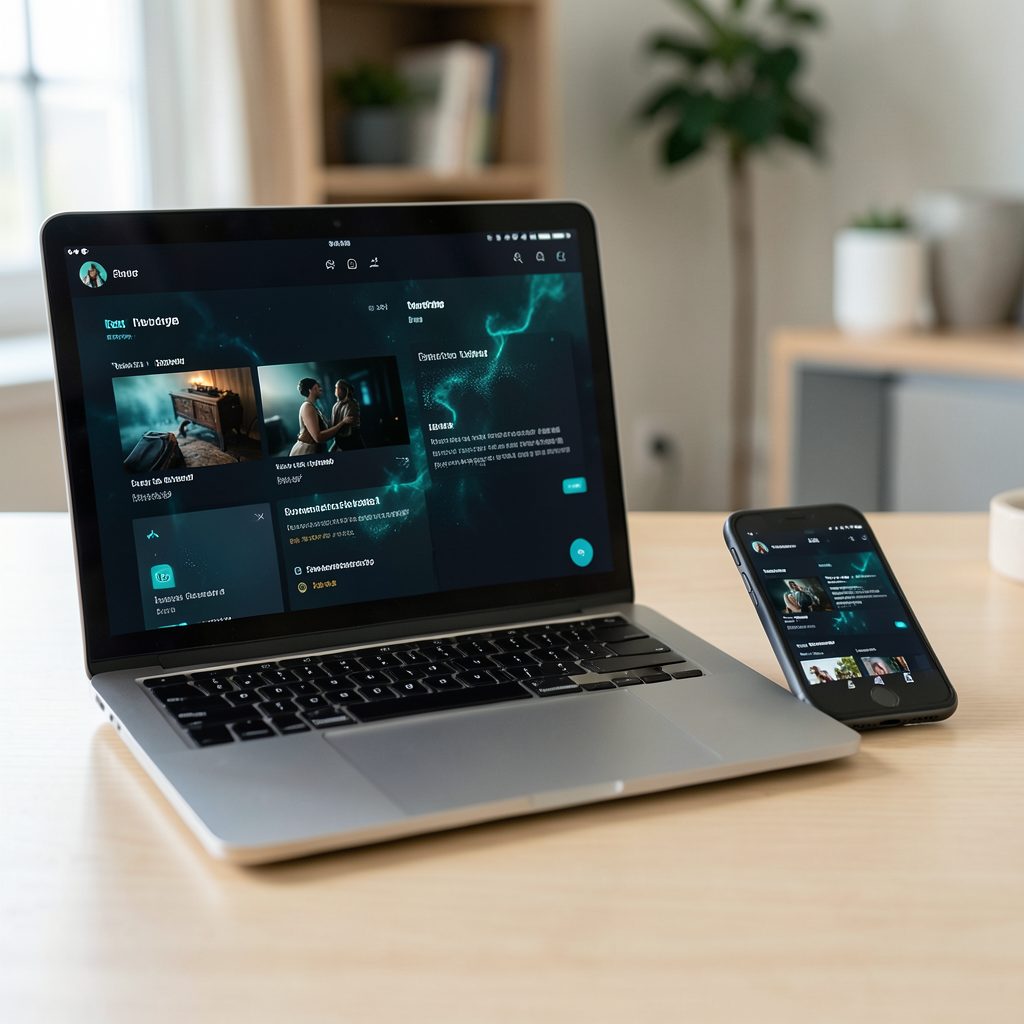
Popcorn Time for Documentaries: Best Forks Worth Trying
Documentaries have become the quiet backbone of streaming in Australia. Whether you're chasing a hard-hitting investigation into water politics in the Murray-Darling basin, a nature series filmed across the Kimberley, or a music doco about the Aussie pub rock scene, non-fiction content is in higher demand than ever. Local viewers have long relied on the ABC, SBS, and Stan for quality non-fiction, but the appetite stretches well beyond what these platforms offer. That's where Popcorn Time comes into the picture, with forks that curate and surface documentary catalogues in a way the official clients sometimes struggle to match.
The beauty of the Popcorn Time ecosystem lies in its community-driven forks. While the mainstream Netflix-style experience focuses on blockbusters, several alternative builds have quietly built reputations for their non-fiction offerings. Some emphasise torrent sources that pull in rare BBC and PBS collections, others shine when it comes to surfacing climate, history, and true-crime docuseries that Australians regularly hunt down after the footy on a Sunday arvo.
Why Documentaries Need a Specialised Fork
Popcorn Time was never designed as a documentary-first platform. Its catalogue leans heavily toward Hollywood features and recent TV episodes, which means the non-fiction gems often get buried under layers of mainstream releases. Specialised forks address this problem by tweaking the underlying torrent source lists, refining metadata scraping, and sometimes adding dedicated documentary categories right at the top of the browsing interface.
Aussie viewers who regularly tune into Four Corners or Foreign Correspondent on ABC TV often notice that finding similar investigative work through general streaming apps requires endless scrolling. Documentary-focused forks cut through that noise. They prioritise sources that aggregate educational, historical, and journalistic content from open torrent trackers. The result is a browsing experience that feels closer to curating a Foxtel documentary package than scrolling through a generic library.
There's also the matter of quality variants. Many docuseries arrive as multi-part episodes with varying file sizes, and some forks handle the episode grouping more cleanly than others. Viewers in Melbourne or Brisbane who want to binge a five-part series on the construction of the Snowy Hydro scheme shouldn't have to manually piece together scattered files. The right fork stitches them together as a coherent collection.
Features That Matter for Non-Fiction Buffs
Subtitle support sits at the top of the wishlist for documentary fans, and not just for accessibility reasons. Many international docuseries arrive with limited English audio and rely on accurate closed captions to communicate nuance. The best forks integrate with OpenSubtitles and subtitle repositories that have strong documentary coverage, including translated versions of European arthouse releases.
AirPlay and Chromecast compatibility become essential for anyone wanting to push content from a phone to the living room telly. Australian households often have a mix of smart TVs, Apple TVs, and casting-enabled displays, so a fork that handles both protocols without fiddling wins favour. Casting also matters for the long-form nature of documentaries, where you might start a two-hour climate investigation on the couch and finish it in bed.
Filtering and search refinement matter more than they do for fiction. Documentary lovers typically search by subject, era, or region rather than by actor. Some forks now include filter options for categories like history, science, politics, and nature, which makes chasing a specific doco on Australian mining or Antarctic exploration far more straightforward. Built-in bookmarking and watchlist features round out the experience, letting viewers save a doco for the weekend when the data meter isn't running hot.
Leading Forks with Strong Documentary Libraries
Butter Project remains one of the most polished options, with a slick interface and consistent torrent sourcing. Its catalogue skews toward mainstream releases but has grown its documentary section considerably over the past few years. It works well across Windows, Mac, and Linux, and offers reliable casting support. For Australians with NBN connections, the buffer handling is smooth enough to handle 720p and 1080p without choking on a typical evening's bandwidth allocation.
Time4Popcorn took a different path, positioning itself as a fork with broader catalogue coverage and more aggressive scraping of niche sources. Documentary hunters have reported finding rare BBC and PBS collections here that don't surface elsewhere. The interface is a touch dated compared to Butter, but the depth of the non-fiction section makes up for it. It also supports casting to Chromecast devices, which suits households that stream to multiple screens.
The popcorntime.io fork, often referred to as the original community build, still attracts loyal users for its reliability and its treatment of older documentary material. While the catalogue isn't always current, it tends to retain historical and archival docuseries that newer forks have dropped. For viewers chasing retrospectives on the Sydney Opera House construction or older Australian Rules Football history pieces, it remains a useful fallback. The fork also handles multi-device playback reliably, which is handy in a household where one person might be on a laptop in the kitchen while another watches on the lounge TV.
Subtitles, Audio, and Multi-Language Picks
Foreign-language documentaries represent some of the richest material available through Popcorn Time forks. French and German investigative pieces, Spanish historical series, and Japanese nature documentaries all surface with greater frequency on torrent trackers than they do on mainstream streaming platforms. A fork with strong subtitle handling opens up this entire catalogue to English-speaking audiences.
Audio options matter too. Many docuseries include commentary tracks, director interviews, or alternate language audio that adds depth. Some forks expose these audio track options clearly within the player interface, while others bury them in settings. The cleaner forks let viewers switch audio mid-stream without dropping the buffer, which is handy when switching between the original language and an English dub.
For Australian viewers interested in First Nations storytelling or Pacific region documentaries, a few forks have begun sourcing content from regional trackers that specialise in Indigenous and Pacific media. These collections aren't always easy to find through mainstream search, but the right fork exposes them in dedicated categories. It's a meaningful development for anyone wanting to broaden their viewing beyond Western-centric non-fiction libraries.
Getting Started on Aussie Devices
Setting Popcorn Time on an Australian device usually begins with the platform choice. Android users have the easiest path, with most forks offering direct APK installs outside the Play Store. iOS users, however, face Apple's restrictions and often need to rely on the dedicated download page maintained by the community. The page at getpopcorntime.org/download-ios walks through the sideloading process using configuration profiles, which is the cleanest method on iPhone and iPad without requiring a jailbroken device.
Desktop installations remain straightforward across Windows, Mac, and Linux. Most forks ship as a portable executable or installer that handles dependencies automatically. For Australians with Telstra or Optus home connections, the initial catalogue sync might take a few minutes during peak evening hours when the local exchange is busy, but it generally settles into a smooth experience once the metadata has cached locally.
Chromecast and AirPlay support means the same fork running on a phone or laptop can drive content to the main TV. This setup works particularly well for documentary nights where the family gathers around the big screen. Some forks also offer download-to-device functionality for offline viewing, which is useful for travellers heading to regional Queensland or Western Australia where mobile data coverage thins out and NBN fixed wireless can be patchy.
Before you settle on a fork for your documentary marathons, take a moment to lock down your privacy setup. Streaming via torrent protocols exposes your IP address to other peers in the swarm, and Australian ISPs are required to retain metadata under local legislation. A reputable VPN with a no-logs policy and Australian exit nodes (or nearby servers in Singapore or Tokyo for speed) keeps your viewing habits private. Many forks even include VPN recommendations in their setup guides, recognising that the documentary community takes these concerns seriously.
For a reliable entry point into the Popcorn Time ecosystem, including the official download portals and the latest fork listings, head to the official Popcorn Time website. It's the cleanest way to compare what's available and grab the version that matches your device. Grab a cuppa, fire up the telly, and enjoy the doco.