


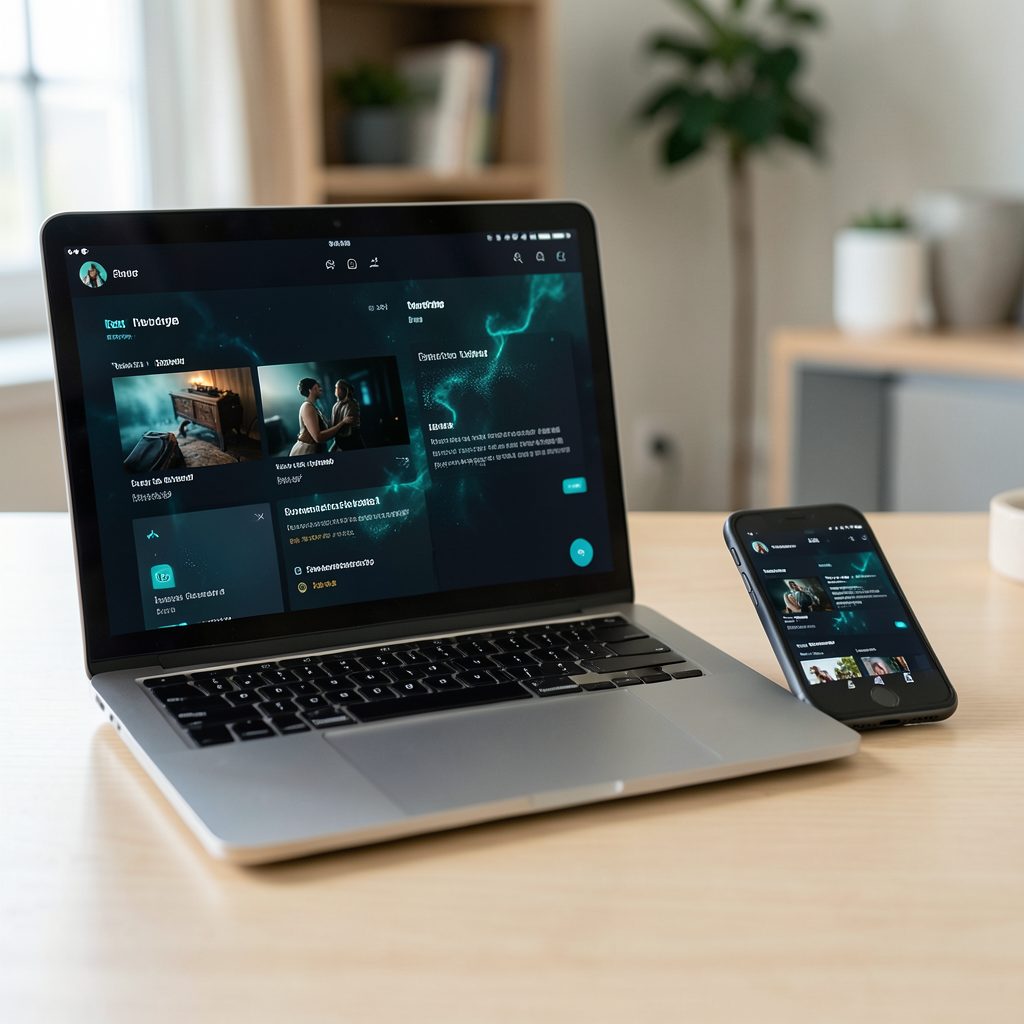
How to watch Popcorn Time on an Apple TV
Popcorn Time is designed primarily for computers, phones, and selected Android-based streaming devices. Apple TV is different because tvOS uses a tightly controlled App Store and does not generally allow users to install desktop applications or arbitrary third-party streaming clients. As a result, watching content associated with Popcorn Time on an Apple TV usually involves sending video from another device rather than installing the app directly.
The most practical methods are AirPlay from an iPhone, iPad, or Mac, and screen mirroring from a compatible computer. The exact experience depends on the Popcorn Time fork, the operating system, the video format, and whether the source device and Apple TV are connected to the same network.
Because Popcorn Time uses torrent technology and availability can vary by country, viewers should check local copyright rules before streaming. Use the service only for content you are legally entitled to access, and treat unofficial downloads, modified applications, and unknown streaming links with caution.
Why Apple TV needs a different approach
There is usually no official Popcorn Time application in the Apple TV App Store. Apple reviews tvOS applications under its own distribution rules, while many Popcorn Time forks are distributed outside mainstream app stores. An application that works on Windows, macOS, Android, or Linux may therefore have no equivalent Apple TV version.
Apple TV can still display video from another Apple device through AirPlay. In this arrangement, the source device runs the compatible media application or website, while Apple TV acts as the receiving screen. Depending on the app, AirPlay may send the video directly or mirror the entire display.
The distinction matters because direct AirPlay playback is normally smoother than full-screen mirroring. A player with built-in AirPlay support can hand the stream to the Apple TV, allowing the phone or computer to do less work. If the player does not support AirPlay, mirroring may be the only option.
Check compatibility before streaming
Begin by identifying the Popcorn Time version or fork you intend to use. Different forks can have different interfaces, codec support, subtitle handling, and casting options. A setup guide such as this Popcorn Time guide can help clarify which desktop and mobile platforms a particular release supports, but it should not be treated as proof that every version works with tvOS.
Your source device should run a current version of iOS, iPadOS, or macOS where possible. Update the Apple TV through Settings, then check that the iPhone, iPad, or Mac is connected to the same Wi-Fi network. Guest networks, VPN routing, wireless isolation, and mesh-network settings can prevent devices from discovering each other.
Also check the file type and connection quality. High-definition video requires stable bandwidth, while very large files can cause buffering if the source device is downloading and playing at the same time. A wired Ethernet connection for Apple TV can improve reliability, although the source device still needs a strong connection to the local network.
Use AirPlay from an iPhone or iPad
AirPlay is generally the simplest way to send compatible video to an Apple TV. Open the media player on the iPhone or iPad, start the legally permitted video, and look for the AirPlay icon. It may appear in the player controls, the Share menu, or the Control Center, depending on the application.
Select the Apple TV from the list of available receivers. If a passcode appears on the television, enter it on the mobile device. When direct playback is supported, the television should show the video while the phone or tablet remains available for playback controls, subtitles, and volume adjustments.
Some Popcorn Time-style applications do not expose an AirPlay button, or they may block external playback for technical reasons. In that case, open Control Center, choose Screen Mirroring, and select the Apple TV. This mirrors the entire iPhone or iPad display, so notifications, incoming calls, and changes between apps may appear on the television.
For a better result, enable a Focus mode, lock screen rotation, and keep the source device connected to power during a long movie. Avoid switching between demanding applications while mirroring. If the picture freezes but the audio continues, stop mirroring, close the player, and reconnect through AirPlay.
Stream from a Mac computer
A Mac offers more flexibility because it can run a wider range of media players and browser-based interfaces. Open the compatible application or media player, select the permitted content, and try the built-in AirPlay control first. If the player has no casting feature, use the AirPlay menu in the macOS menu bar to mirror or extend the Mac display to Apple TV.
Mirroring is useful for a one-off viewing session, but an extended desktop can be better when you want to keep working on the Mac. Move the player window onto the Apple TV display, maximize it, and set the audio output to Apple TV if sound remains on the computer. The exact menu names can vary between macOS releases.
Browser playback may behave differently from a native media player. Some websites use protected playback systems that prevent AirPlay or show a black screen during mirroring. A local player may handle formats more reliably, but downloading or opening a file does not change the copyright status of its content.
If the Mac is connected through a VPN, AirPlay discovery can fail because the VPN may route local traffic through a virtual interface. Look for a setting that allows local network access, or temporarily disconnect the VPN during device discovery if doing so is safe and consistent with the provider’s terms. Reconnect it afterward when appropriate.
Compare the available connection methods
The right method depends on the device you already own and how much control you need during playback. Direct AirPlay usually gives the cleanest television experience, while screen mirroring works with a wider range of players. A wired connection can improve network stability, but it does not create an official Apple TV application.
| Method | Source device | Main advantage | Common limitation |
|---|---|---|---|
| Direct AirPlay | iPhone, iPad, or Mac | Simple controls and cleaner playback | The player must support AirPlay |
| Screen mirroring | iPhone, iPad, or Mac | Works with many players and websites | Notifications and display changes can appear |
| Mac extended display | Mac | Better control over windows and subtitles | Requires a Mac and careful audio settings |
| HDMI connection | Mac or compatible computer | Stable picture with little wireless interference | Needs an adapter, cable, and nearby computer |
| Native tvOS app | Apple TV | Convenient remote-based operation | Usually unavailable for unofficial Popcorn Time forks |
Chromecast is a separate casting standard and does not replace AirPlay on Apple TV. Some applications support both, while others support only one. An Android phone may cast to Chromecast more easily than to Apple TV, whereas an iPhone, iPad, or Mac generally integrates more naturally with AirPlay.
An HDMI connection is worth considering when wireless playback repeatedly stutters. Connect the computer to the television or an appropriate receiver, select the correct HDMI input, and configure the display resolution. This bypasses AirPlay discovery, although it leaves the computer physically connected throughout the session.
Fix buffering, black screens, and missing subtitles
Buffering usually comes from a weak network path, an overloaded source device, or a stream with too few available peers. Move the source device closer to the router, pause other large downloads, and prefer a wired connection where possible. Restarting the player can also clear a stalled connection, but it will not solve a consistently slow source.
For a black screen with audio, test direct AirPlay and screen mirroring separately. Protected browser playback, unsupported codecs, or hardware acceleration can cause the image to disappear while audio continues. Updating the browser or media player may help, but some playback restrictions cannot be bypassed through Apple TV settings.
Subtitles may fail to appear when the subtitle track is not embedded in the video or when the player does not pass subtitle data through AirPlay. Try selecting subtitles before starting playback, use a media player with subtitle support, or mirror the computer display instead of sending a direct stream. Confirm that the subtitle language and file format are supported.
When Apple TV does not appear as a destination, verify that AirPlay is enabled under the Apple TV settings and that both devices use the same network name. Restart Wi-Fi, the source device, and Apple TV in that order. Also check whether a VPN, firewall, parental-control profile, or router isolation feature is blocking local discovery.
Keep privacy and legal boundaries in view
Popcorn Time’s torrent-based architecture can expose an IP address to other participants in a peer-to-peer swarm. A VPN may reduce direct exposure and can improve privacy on an untrusted network, but it does not make copyright infringement lawful. It also cannot guarantee anonymity, prevent malicious files, or verify that a particular fork is trustworthy.
Unofficial applications can contain aggressive advertising, bundled installers, tracking components, or altered media sources. Download software only from sources you can evaluate, scan files before opening them, and avoid providing payment details or account credentials to unknown services. Apple TV itself should be updated regularly because the device is part of the overall viewing chain.
Legal streaming alternatives may provide a simpler Apple TV experience. Services available through the tvOS App Store often include native remote support, reliable subtitles, parental controls, and clearer licensing arrangements. Public-domain films, library services, broadcaster applications, and subscriptions with distribution rights are safer choices when the goal is dependable living-room playback.
Before pressing play, verify that the film or episode is available in your region and that your access method is authorized. A technically successful AirPlay connection says nothing about the legality of the stream. Keeping that distinction clear helps protect your devices, personal data, and household network.
Prepare a smoother Apple TV viewing session
Use this checklist before starting playback:
- Update Apple TV, the source device, and the relevant media player.
- Connect the source and Apple TV to the same trusted Wi-Fi network.
- Test direct AirPlay first, then switch to mirroring if the player does not support casting.
- Disable unnecessary downloads and keep the source device connected to power.
- Confirm subtitle support, audio output, and the legal status of the selected content.
If wireless playback remains unreliable, use a Mac with an HDMI adapter or choose a licensed service with a native Apple TV application. This can be less convenient than experimenting with an unofficial fork, but it usually provides more consistent video quality and fewer privacy concerns.
Set up the connection with a short test video before selecting a feature-length title. Once AirPlay discovery, sound, subtitles, and network performance all work correctly, Apple TV can serve as a comfortable display for compatible playback from an iPhone, iPad, or Mac. Check the permissions and laws that apply where you live, choose authorized content, and use the method that keeps both the viewing experience and your devices secure.