


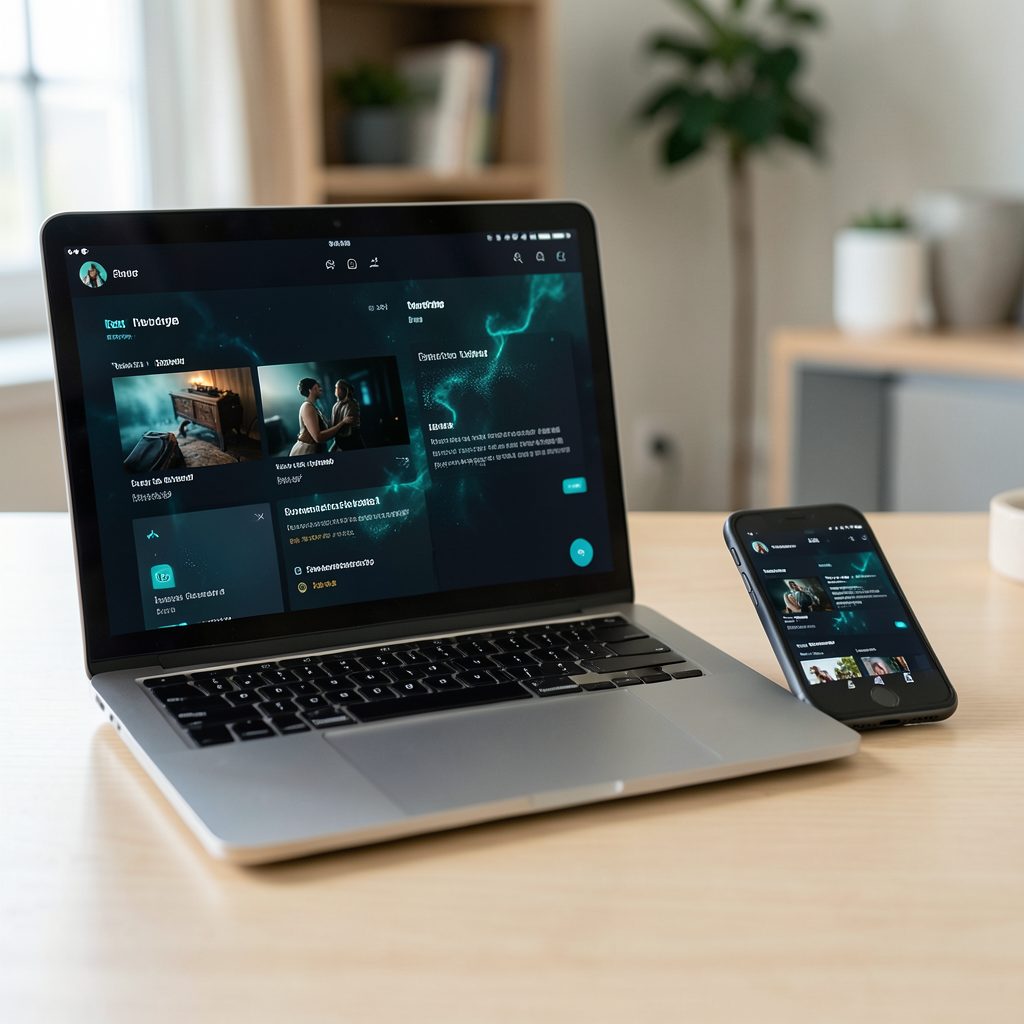
Popcorn Time with multiple audio tracks and languages
Popcorn Time has earned a reputation as a streamlined way to watch films and series without juggling separate downloads or browser tabs. One of its most quietly powerful features is the ability to load multiple audio tracks for the same title, letting you swap between dubbing, original soundtracks, or commentary tracks in just a couple of clicks. For households, language learners, and bilingual families, that flexibility turns a casual streaming session into something far more useful.
Australia is one of the most multicultural countries in the world, with residents in Sydney, Melbourne, Brisbane, Perth, and Adelaide routinely watching content in Mandarin, Vietnamese, Arabic, Greek, Italian, Hindi, Spanish, and many other tongues alongside English. The ability to swap languages on the fly is therefore not a novelty but a daily convenience for many households across the country. This guide walks through how the audio track system works in Popcorn Time, how to manage it on different platforms, and what to do when something refuses to play nicely.
How Popcorn Time organises audio tracks
Each torrent streamed through Popcorn Time is essentially a package of files, and audio tracks are embedded directly inside the video container rather than living as separate downloads. When a release includes several language options, Popcorn Time reads the metadata, lists the available streams, and exposes them through the in-player menu. You will usually see entries labelled by language, sometimes with extra flags for commentary, descriptive audio, or director's cuts.
The format matters more than most people realise. MKV containers tend to support the widest variety of tracks because the format was designed with multi-language media in mind. MP4 files can also carry multiple audio streams, but they are often more limited, which is why some releases only ship a single track. Understanding this helps explain why a particular film might have seven languages one week and only English the next.
Because the application pulls from community-indexed torrent feeds, the availability of tracks depends entirely on whoever uploaded the release. A Bollywood film, for example, will almost always ship with Hindi and often Tamil or Telugu dubs, while a Korean drama typically arrives with the original Korean track plus English dubbing. Knowing which releases tend to come from specific upload groups can save you a lot of time hunting.
Installing and preparing Popcorn Time across devices
Setting up Popcorn Time is a quick affair, and the same source serves Windows, macOS, Linux, and Android builds. The safest route is to grab the official installer from the project's recognised mirror, which means visiting the torrent-time download page and selecting the build that matches your operating system. From there, the installer handles the rest, including creating the desktop shortcut and registering the default codecs.
On Android, you may need to permit installs from unknown sources before sideloading the APK, while on macOS Gatekeeper will occasionally block the first launch. Linux users on Ubuntu or Fedora distributions typically extract the archive and run the included binary, sometimes adding a desktop entry by hand. iOS remains the most complicated platform because Apple does not allow the app on the App Store, so jailbroken devices or alternative install methods are required.
Australians often run Popcorn Time on more than one screen at a time. A common setup involves a laptop connected to a TV in the living room via HDMI, a tablet propped on the kitchen bench for casual viewing while cooking, and a phone for the commute on Sydney Trains or Melbourne's tram network. Multi-device playback is supported by the app's synchronisation model, although each device streams independently rather than mirroring a single session.
Switching languages while a title is playing
Once a film is loaded, the playback controls include a small icon resembling a speech bubble or a speaker. Clicking it opens a dropdown that lists every audio track embedded in the file, normally ordered by language code. Selecting a different entry swaps the soundtrack almost instantly, often faster than reaching for the TV remote to change a channel.
Subtitles follow a similar pattern. Popcorn Time pairs audio tracks with the most appropriate subtitle file when one is available, so switching to a French dub will usually bring up French captions automatically if the uploader bundled them together. If a track has no matching subtitle, the app falls back to English or whatever language you previously selected. You can override this behaviour manually inside the player settings.
The setting persists between sessions, which means you only need to set your preferred audio language once and the app remembers it for future titles. This is handy for Australian households where parents might prefer original soundtracks with subtitles while children watch the same film in a dubbed version a few hours later. Australian English spelling in captions is also worth noting, since many subtitle files default to American conventions.
Handling missing or unusual audio tracks
Not every release is complete. Some torrent uploads only carry a single audio track, often English, which can be frustrating if you wanted to watch a Spanish-language film in its original form. In those cases the dropdown will simply display the one available option, and the most reliable fix is to wait for a more comprehensive upload from a different group.
Occasionally the metadata is correct but the track itself is broken, producing silence, stuttering, or audio that drifts out of sync with the video. Switching tracks and back again usually forces the player to reload the codec and resolves the issue. If that fails, restarting the player or choosing a slightly different quality version of the same title often helps because the underlying file changes.
Australians who travel between states will recognise the importance of caching content for offline viewing during long flights or regional train journeys. Popcorn Time does not have a built-in download-to-disk feature for finished files, but leaving a stream paused for a few minutes allows the buffer to fill, which is enough to cover short interruptions in connectivity on routes through regional New South Wales or across the Nullarbor.
Reliable multilingual streaming on Australian networks
Bandwidth varies enormously across the country, and the experience you get in a Sydney apartment with a 1000/400 NBN plan is very different from a rural property relying on fixed wireless or satellite. Popcorn Time adjusts quality automatically, but selecting a slightly lower resolution up front can prevent mid-film buffering when multiple people are sharing the connection. Standard definition uses roughly 1.5 gigabytes per hour, while 1080p can climb past four.
Many Australian ISPs engage in traffic shaping during peak evening hours, particularly between 7pm and 11pm. Using a VPN with a nearby endpoint, such as one in Sydney or Singapore, can smooth out the experience because the throttling rules usually target unencrypted peer-to-peer traffic. A VPN also adds a useful layer of privacy when streaming from public Wi-Fi in places like Melbourne's cafes or Brisbane's libraries.
Data caps remain a concern on several mobile plans, especially the prepaid and mid-tier offerings from Telstra, Optus, and Vodafone. Streaming a single 1080p film on a phone can chew through the entire monthly allowance of a 30GB plan, so watching on home Wi-Fi or downloading the buffer in advance is the smart move. Watching on the train from Central to Hurstville, for example, is much friendlier on a phone when the buffer is pre-loaded.
Practical advice for a smoother experience
- Choose MKV releases whenever available, as the container supports the widest range of audio and subtitle tracks without compression quirks.
- Keep the player updated so codec improvements and bug fixes related to multi-track playback make it into your build.
- Pair English dubs with foreign-language subtitles to reinforce vocabulary if you are learning a new language alongside your viewing.
- Test each new release with a quick minute of playback before settling in for a long film, particularly when the file comes from an unfamiliar uploader.
- Configure your preferred subtitle and audio languages in the player settings so the app makes sensible defaults automatically.
- Avoid peak hours on congested NBN nodes by starting films slightly earlier or later than the traditional 7pm to 10pm window.
- Keep a VPN running with a local exit node when streaming on shared networks in airports, hotels, or student accommodation.
Browse the latest builds, install instructions, and fork comparisons on the official resource to keep your setup current and aligned with the newest releases.