


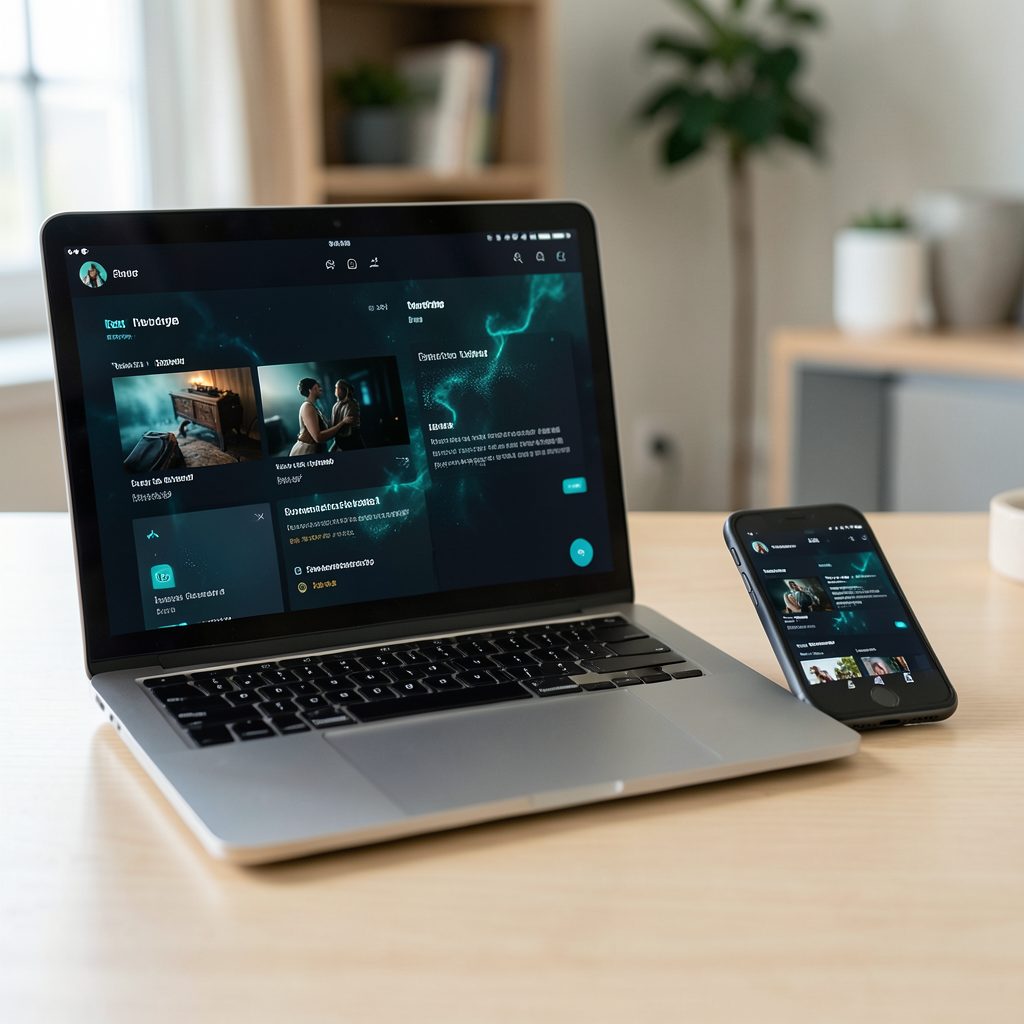
Using VLC as an External Player with Popcorn Time
Popcorn Time-style applications are usually designed to play video inside their own interface, but many forks can hand a stream or downloaded torrent file to an external media player. VLC is a popular choice because it supports a wide range of formats, subtitle files, audio tracks and network playback protocols across Windows, macOS, Linux, Android and other platforms.
Using VLC can make playback more flexible when the built-in player stutters, displays the wrong aspect ratio or fails to load a subtitle. It also gives you familiar controls for audio delay, playback speed, video filters and hardware acceleration. The exact menu names vary between Popcorn Time forks, so a setting available in one release may be missing in another.
Australian users should also consider copyright, network performance and privacy before streaming. Torrent-based applications can connect to peers while content is being retrieved, and a VPN does not make copyright infringement lawful. Use the setup for content you are authorised to access, and check the rules that apply to your connection and location.
Why use VLC with a streaming fork
The built-in player in a Popcorn Time fork is convenient, but it may have limited controls. VLC can handle common containers such as MKV and MP4, multiple subtitle formats, surround sound and a wider selection of codecs. If a film has dialogue that is too quiet or subtitles that appear several seconds late, VLC provides tools to correct the problem during playback.
An external player can also reduce problems caused by an application’s embedded playback engine. Some forks struggle with a particular video driver, display scaling mode or audio device. Sending the media to VLC separates the playback task from the catalogue interface, which can make it easier to identify whether the fault is in the stream, the application or the computer.
There are limits. VLC cannot repair a damaged torrent, improve a weak internet connection or bypass digital rights management. A title may also be unavailable to VLC if the fork uses a protected or unusual streaming method rather than exposing a standard media URL or local file.
Check the fork and your device first
Before changing settings, identify which Popcorn Time fork you have installed. Forks may use different names for external playback, including “Play with”, “Open in”, “External player” or “Use VLC”. Some versions support VLC on desktop systems but offer only an Android intent or a cast function on mobile devices.
Download the application only from a source you can assess. The Time4Popcorn download page may be useful when checking a supported build, but review the project’s release information, file signatures and security warnings before installing anything. Avoid installers that bundle unknown browser extensions, demand unnecessary administrator access or redirect you through several download buttons.
VLC should be installed separately from its official distribution channel. On Windows, confirm that VLC is installed in its normal Program Files location. On macOS, place the application in the Applications folder, and on Android install the recognised VideoLAN app. Keep both applications updated, while remembering that an update can change menu locations or remove compatibility with an older fork.
Select VLC as the external player
On a desktop computer, open the Popcorn Time settings and look for a playback or player section. Choose “External player” if it is available, then select VLC from the application list. If the fork asks for a path, browse to the VLC executable rather than typing a guessed location. Common paths include the VideoLAN folder under Program Files on Windows and the VLC application bundle on macOS.
Some applications provide a general “open with” option instead of a permanent player choice. In that case, start a title, open the playback menu and choose VLC. If the setting includes a command-line field, leave advanced arguments unchanged unless the fork’s documentation specifically recommends them. Incorrect quotation marks or file-path parameters can cause VLC to open without receiving the video.
On Android, the process is usually simpler. Select VLC from the app chooser when the fork offers external playback and allow the device to remember that choice. If VLC does not appear, check that it is installed, that the Popcorn Time fork supports Android external intents and that Android has not restricted background activity. iPhone and iPad support can be more limited because of sandboxing and the way individual apps exchange media files.
Start playback and adjust VLC
Choose a title only after checking its resolution, audio tracks, subtitles and available sources. A 4K file may be unsuitable for an older laptop or a busy NBN connection, while a lower-resolution copy can be more reliable for a television in Brisbane, Perth or regional New South Wales. Once playback begins, VLC may open immediately or wait until the source has buffered enough data.
If the video opens in VLC but pauses repeatedly, reduce the selected quality and allow more buffering time. VLC’s network cache settings can help with a fluctuating source, although increasing the cache also increases the delay before playback starts. Wired Ethernet is generally steadier than congested Wi-Fi, particularly in apartment buildings in Sydney or Melbourne where many networks compete on the same channels.
For subtitle issues, use VLC’s subtitle menu to load an external file, change the character encoding or adjust subtitle delay. Audio delay controls can synchronise dialogue with a soundbar or Bluetooth headphones. The video menu also provides aspect-ratio, crop and deinterlacing controls, but excessive processing can increase CPU or GPU use.
Solve common connection and playback problems
If VLC never opens, return to the fork’s settings and confirm that the selected application path still exists. A VLC update may have moved the executable, or the fork may have lost permission to launch another program. On Windows, security software can also block an application from opening a torrent-created temporary file. Review the alert carefully rather than disabling protection without understanding what it is blocking.
If VLC opens but displays an error, the source may have expired, the torrent may have too few active peers or the fork may have supplied an address that VLC cannot interpret. Test a different authorised title or source, then restart both applications. A blank screen with audio often points to a codec, hardware acceleration or graphics-driver issue; switching hardware decoding off in VLC can help older machines.
Casting adds another layer. VLC can send compatible media to Chromecast in many situations, but the receiving device may not support the original codec, subtitle format or audio track. A Chromecast connected to a television in Adelaide or the Gold Coast may therefore behave differently from VLC on the computer. AirPlay support also varies by platform, and external playback does not guarantee that every file can be cast directly.
Privacy, copyright and Australian network use
Torrent-based playback involves peer connections, which can expose network activity to other participants in the swarm. A VPN may reduce the visibility of your home IP address to peers, but it does not verify the legality of a film or television stream, remove malware from an installer or guarantee anonymity. Choose a provider carefully if you use one for lawful privacy purposes, and read its retention, jurisdiction and connection policies.
Australian copyright law can apply to downloading, communicating or making protected material available, even when the application describes the activity as streaming. Rights holders and internet service providers may respond to suspected infringement, and access to overseas catalogues can raise separate licensing issues. Local services such as ABC iview, SBS On Demand, 7plus, 9Now, 10 Play and paid platforms may offer a safer route for content that is licensed in Australia.
Privacy settings deserve attention on shared household connections. A flat in Melbourne, a family home in Canberra or a student connection in Hobart may have multiple users and limited monthly capacity. Keep the application’s upload and seeding behaviour clear, avoid exposing personal folders to peer software and use a separate device profile when practical. Never enter payment details into an unofficial fork simply to unlock a player feature.
A reliable VLC setup checklist
A careful setup reduces playback errors and limits unnecessary security exposure. Use these practical checks before relying on an external player:
- Install VLC from a trusted source and confirm that the application opens normally before connecting it to a Popcorn Time fork.
- Select VLC through the fork’s playback settings, then test the arrangement with content you are legally permitted to access.
- Match video quality to your device, home network and television rather than automatically choosing the largest available file.
- Keep subtitles, audio tracks and VLC hardware-acceleration settings ready to adjust when synchronisation or decoding problems appear.
- Review privacy, upload and VPN settings without treating a VPN as permission to access copyrighted material unlawfully.
When VLC is configured correctly, the fork can remain useful for browsing while VLC handles the demanding playback work. The arrangement is especially practical for viewers who want better subtitle control, broader format support or a consistent player across a desktop and television setup.
Use the smallest number of permissions necessary, monitor unusual network activity and remove a fork that behaves unexpectedly. For everyday viewing in Australia, licensed streaming and catch-up services remain the clearest option; VLC can still serve as a capable player for your own files, public-domain media and other authorised sources. Set the external-player option carefully, test it with lawful content and keep both applications maintained before settling into regular use.