
Running Popcorn Time Alongside Transmission Daemon
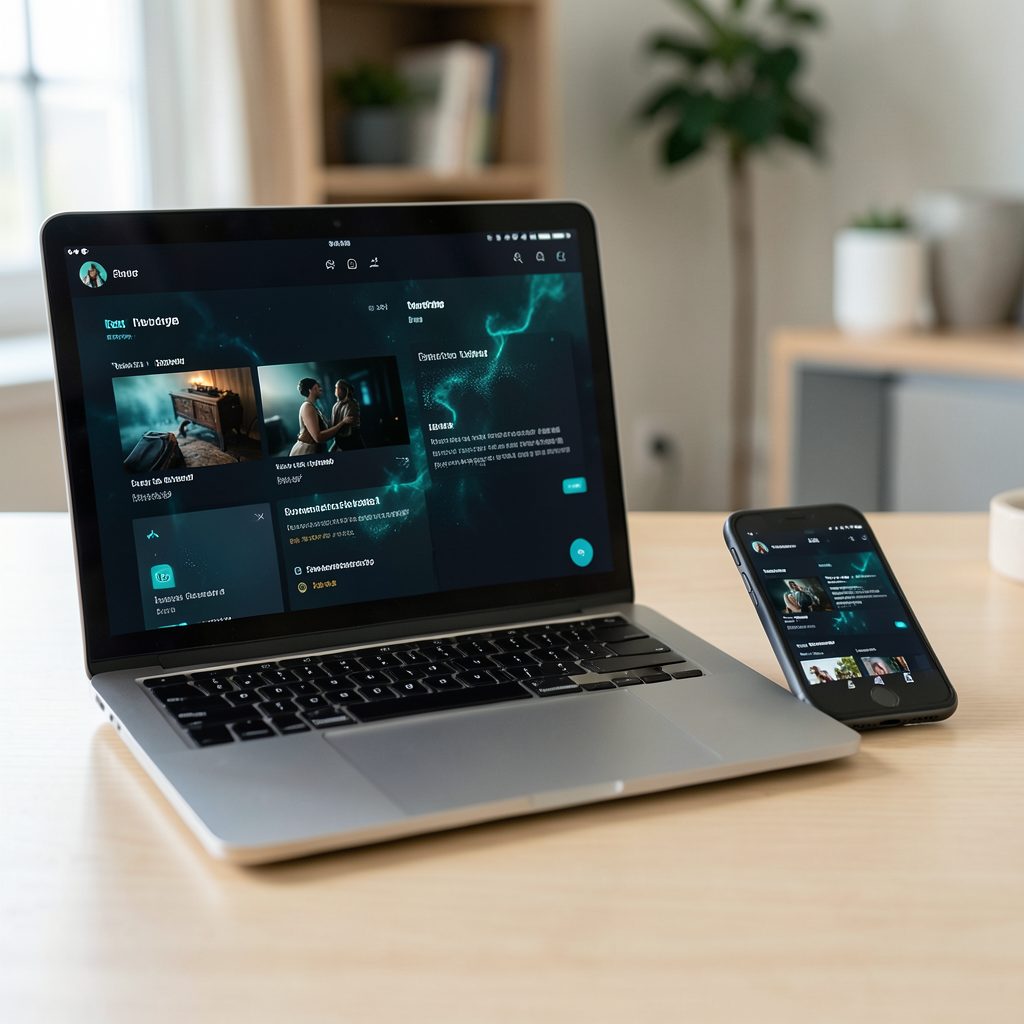
Popcorn Time is designed around torrent-based playback, while Transmission daemon is built to manage downloads quietly in the background. Used together, they can serve different purposes: Popcorn Time handles a convenient viewing interface, and Transmission daemon manages authorised torrent downloads on a computer, home server, or network-attached storage device.
The arrangement is especially useful when a desktop or small home server needs to keep downloading while the main television is switched off. Transmission daemon runs without a full graphical interface, so it can continue working overnight or during the day while a laptop is being used for other tasks.
There is an important technical distinction, however. Most Popcorn Time forks use their own torrent engine and do not provide a standard button that transfers a stream directly to Transmission. In practice, the two applications usually operate beside each other rather than as a single integrated download pipeline. Always use torrents and media files that you are authorised to access.
For households in Sydney, Melbourne, Brisbane, Perth, Adelaide, or regional Australia, this setup can make better use of a home broadband connection. NBN plans often offer generous data allowances, but upload speeds, evening congestion, Wi-Fi coverage, and provider traffic management can still affect performance. A daemon gives you control over when and how transfers use the connection.
How The Two Applications Work Together
Popcorn Time is primarily a catalogue and playback application. Depending on the fork and platform, it may begin fetching torrent pieces as soon as a title starts playing, store temporary data locally, and remove those files afterwards. The exact behaviour differs between desktop, Android, smart-TV, and community-maintained versions.
Transmission daemon takes a different approach. It runs as a background service and accepts torrent or magnet jobs through a web interface, command line, or remote procedure call connection. It can pause, queue, seed, limit speed, move finished files, and continue operating without a visible desktop window.
Because the applications are usually separate, avoid assuming that changing Popcorn Time’s cache folder will automatically make Transmission manage the same files. Two torrent clients downloading identical content can compete for disk space and bandwidth. If you want persistent background downloads, add an authorised torrent to Transmission and use Popcorn Time or another compatible player to open the completed media file later.
Forks also vary in their menus, playback engines, and storage locations. Checking current release updates before changing settings can help identify platform-specific changes, discontinued builds, or warnings about a particular version.
Installing And Preparing Transmission Daemon
On Debian-based Linux systems, Transmission daemon is commonly available through the distribution’s package manager. A Raspberry Pi, mini PC, or NAS can run it continuously with modest hardware requirements. Windows and macOS users may have access to a desktop client or third-party service wrapper, although the exact daemon installation method depends on the operating system.
After installation, stop the service before editing its configuration file. Transmission commonly stores settings in a JSON file containing the download directory, incomplete directory, RPC access rules, speed limits, queue settings, and seeding behaviour. Editing while the service is active can cause your changes to be overwritten when the daemon exits.
Choose two folders if you want unfinished files separated from completed media. For example, an incomplete directory on a fast local drive can hold active pieces, while a completed directory on a larger disk can store finished files. Make sure the service account has permission to read and write both locations. On a NAS, check that the mounted share is available before Transmission starts.
The official Popcorn Time guide can help you compare current platform support and setup information, but it should not be treated as evidence that a particular fork can control Transmission directly. Confirm the features in the build you actually installed.
Configuring Background Transfers Safely
Transmission’s web interface is generally the easiest way to manage a daemon. By default, keep the RPC service bound to localhost so it is reachable only from the same machine. If you need access from another device on your home network, allow the local subnet through the RPC whitelist and protect the interface with a strong username and password.
Do not forward the Transmission RPC port directly to the public internet. An exposed control panel can allow strangers to add downloads, inspect filenames, or alter your settings. Remote access is safer through a properly configured VPN into your home network, an SSH tunnel, or a private overlay network. A commercial VPN can hide traffic from some observers, but it does not make copyright infringement lawful and should not be considered a substitute for secure account settings.
Set a download limit that matches the household’s normal use. A busy NBN connection may handle background transfers comfortably overnight but become frustrating when several people are streaming, gaming, or working from home. Transmission can apply global limits, scheduled limits, and queue rules so active downloads do not consume every available megabit.
Storage management matters just as much as bandwidth. Enable a queue, define a sensible ratio or seeding policy where appropriate, and remove incomplete jobs that have stalled. Keep an eye on small SSDs in laptops and Raspberry Pi installations, since cached torrent pieces can fill them faster than expected.
Managing Playback And Completed Files
Once Transmission finishes a lawful download, use a media player that supports the file format rather than expecting Popcorn Time to discover it automatically. VLC, Kodi, Plex, Jellyfin, and built-in television players may work, depending on the container, audio codec, subtitles, and network location.
If the media is stored on a home server, wired Ethernet is usually more reliable than a distant Wi-Fi connection. This is useful in larger Melbourne or Brisbane homes where a television may sit several rooms away from the router. A mesh system can improve coverage, but wireless interference from neighbouring networks may still cause buffering during high-bitrate playback.
Chromecast and AirPlay can provide convenient casting when the source device and receiver share the same local network. Transcoding may be required if the television or streaming stick cannot decode the file directly. That process can place a heavy load on an older NAS, so direct playback is preferable when the format is compatible.
Keep temporary Popcorn Time data separate from Transmission’s completed library. This makes it easier to identify what is permanent, reduces duplicate files, and prevents an automatic cache cleanup from deleting a file you intended to keep. It also avoids confusing a partially downloaded item with a finished video.
Australian Legal And Network Considerations
Australian copyright law applies to downloads and streams, including material obtained through peer-to-peer systems. The fact that a file is available through a torrent swarm does not establish permission to copy or share it. Rights holders can seek remedies, and Australian internet providers have also been subject to site-blocking arrangements aimed at reducing access to infringing services.
Use Transmission for public-domain films, open-licence media, Linux distributions, creator-authorised downloads, and content for which you hold the necessary rights. Read the licence terms carefully: some Creative Commons works allow copying but restrict commercial use or require attribution. Private use is not a universal exemption for downloading any film or television episode.
Torrent clients normally upload pieces while downloading, which means your connection may redistribute material to other peers. That sharing function can create additional legal exposure when the underlying content is protected. Disable automatic seeding only where the licence permits it and where doing so does not violate the conditions attached to an authorised distribution.
Local network habits also matter. Many Australian homes use provider-supplied routers with default administration settings, and some households rely on mobile broadband or fixed-wireless NBN in regional areas. Check data allowances, router security, and peak-hour performance before leaving a daemon active around the clock. A metered connection may need stricter schedules than an unlimited metropolitan plan.
Practical Checks For A Reliable Setup
Before leaving Transmission daemon running, review these operational settings:
- Store incomplete and completed files in separate folders
- Bind RPC access to localhost or a trusted private network
- Set upload and download limits for busy household hours
- Confirm the service account can access the chosen directories
When playback is ready, check the following points:
- Verify that the file comes from a lawful or authorised source
- Test subtitles, audio tracks, and video codecs locally
- Prefer Ethernet for high-bitrate television playback
- Remove abandoned jobs and monitor available disk space
A short test download is worthwhile before importing a large library. Watch the daemon’s queue, confirm that the file moves to the completed directory, and open it on the intended television or streaming device. This catches permission errors, unsupported formats, and network path problems while the configuration is still easy to change.
Once the basics work, automate only the tasks you understand. Scheduled bandwidth limits, automatic folder moves, and retention rules can reduce maintenance, but overly aggressive cleanup may remove files that another household member still needs. Keep backups of important configuration files and review permissions after operating-system or NAS updates.
Use Popcorn Time for content and features you are legally entitled to access, and reserve Transmission daemon for authorised background transfers. Configure the daemon privately, control its bandwidth, monitor storage, and test playback on the devices used in your Australian home. That approach provides the convenience of unattended downloading without confusing a streaming interface with permission to copy or share copyrighted media.