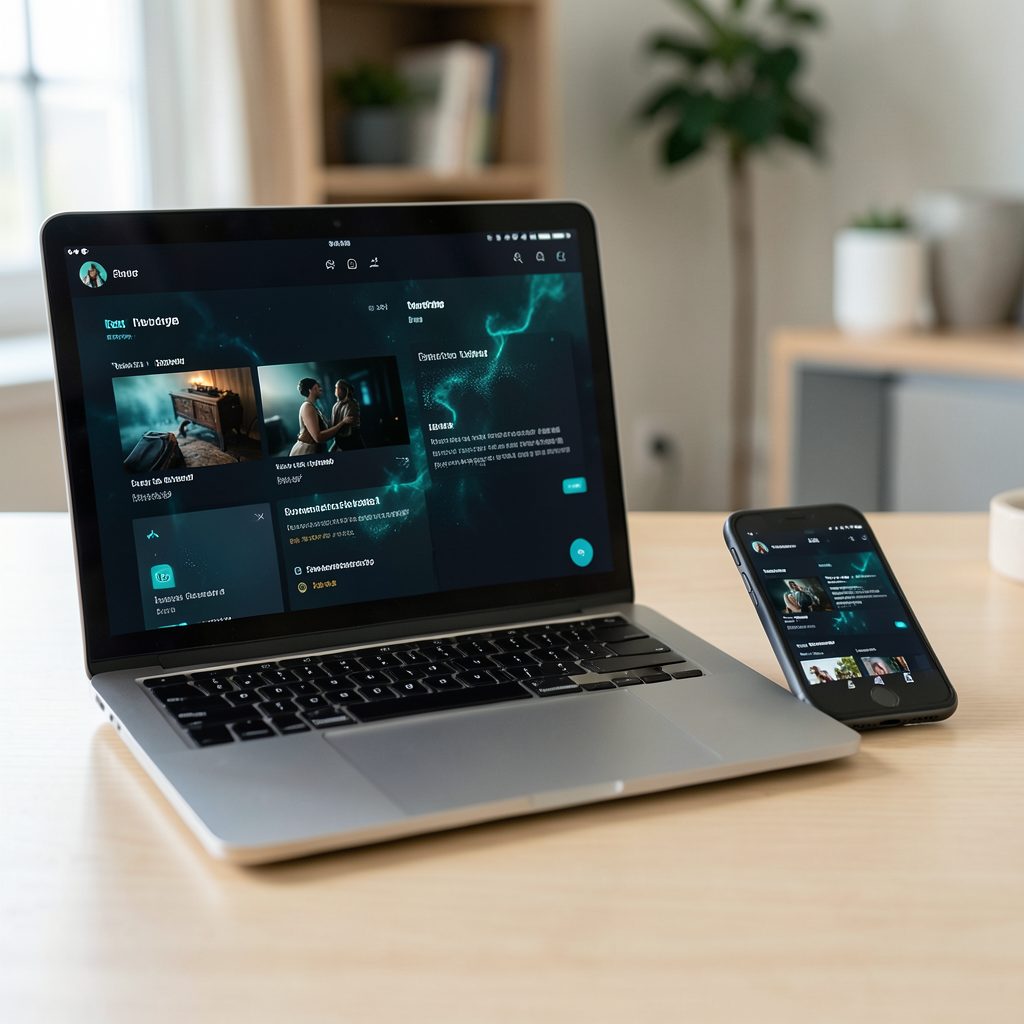
How to Control Popcorn Time from Your Phone
A third-party remote app can turn an Android phone or iPhone into a convenient controller for Popcorn Time running on a computer, Android TV device, or compatible media centre. Instead of reaching for a keyboard whenever you need to pause a film, adjust the volume, or browse a different title, you can use the phone already in your hand.
The setup is usually straightforward, but it depends on how Popcorn Time is installed and which remote-control app you choose. The phone and playback device must be on the same local network, the app must support the operating system involved, and the content must be accessed lawfully. These details matter in Australia, where internet providers, copyright rules, and home network arrangements can affect the experience.
Choose The Right Remote Method
The simplest arrangement is a phone remote that controls a desktop version of Popcorn Time. Apps designed for Windows, macOS, Linux, Android TV, or media-centre software may communicate through a local network connection. Some work as a touchpad and keyboard, while others provide dedicated buttons for play, pause, seeking, subtitles, and volume.
A phone remote may also control the device connected to your television rather than Popcorn Time itself. For example, a Chromecast, Android TV box, Apple TV, or smart television can handle playback while the handset acts as the browsing and playback controller. If you are using an Apple device, the guidance on Apple TV and AirPlay explains how wireless playback can fit into that type of setup.
Check compatibility before installing anything. A remote app made for Kodi or VLC may not control a Popcorn Time fork, even if both programs play video files. Look for support for your operating system, network-control features, and the specific Popcorn Time build installed on the playback device.
Prepare The Playback Device
Install and open Popcorn Time on the computer, television box, or media centre that will display the video. Keep the program running while pairing the phone. Some versions expose a remote-control option in settings, while others rely on a companion service, browser interface, or a compatible media-centre integration.
The phone and playback device must normally share the same Wi-Fi network. A phone connected to mobile data will not usually discover a computer connected to home Wi-Fi. The same problem can occur when the handset is connected to a guest network, an extender with client isolation, or a second router. In a Sydney apartment or a Melbourne townhouse with several visible networks, selecting the correct SSID is easy to overlook.
Give the playback device a recognisable name, such as “Living Room PC”, and record its local IP address if the remote app supports manual pairing. The address often looks like 192.168.1.25 or 10.0.0.18. It can change after a router restart, so a DHCP reservation in the router can make future connections more reliable.
Install And Pair The Phone Remote
Download the remote application from a reputable app store or the developer’s official page. Avoid modified APK files, unofficial configuration profiles, and apps requesting unrelated permissions such as contacts, SMS messages, or accessibility access without a clear reason. A remote should generally need local-network access, Bluetooth, or media-control permissions, not unrestricted access to personal data.
Open the app and allow it to scan for devices on the local network. Select the playback device when it appears, then enter a pairing code if Popcorn Time or its companion service displays one. If automatic discovery fails, use the manual IP address option. Keep both applications open during the first pairing because some remote services time out quickly.
Test the essential controls one at a time: directional navigation, selection, pause, playback position, volume, subtitles, and back. If a button behaves differently from expected, inspect the remote app’s layout settings. Some applications let you create custom buttons or map physical volume keys to media commands, which is useful when the television or computer is across the room.
Improve Playback Across Australian Homes
A stable home network matters more than raw internet speed for remote control. The remote commands use very little data, but the stream itself can be affected by weak Wi-Fi, interference, or an overloaded router. Place the playback device near the router where possible, or connect it with Ethernet. This can be particularly helpful in Brisbane homes where thick walls, multiple floors, and competing 2.4 GHz networks create inconsistent coverage.
Australian households also vary widely in broadband performance. NBN connections may deliver excellent evening speeds in one suburb and congestion or line-specific problems in another. Telstra, Optus, TPG, and smaller providers use different equipment and support processes, so run a local speed test and check the router before blaming the remote app for buffering.
Keep the phone on the same frequency or mesh system as the playback device when the router offers separate 2.4 GHz and 5 GHz networks. A modern mesh system should allow devices to roam, but guest isolation can still prevent them from communicating. Turn off battery-saving restrictions for the remote app if Android repeatedly disconnects it in the background.
Troubleshoot Discovery And Control Problems
If the phone cannot find Popcorn Time, first restart the remote app and the playback device. Then confirm that both devices have local IP addresses in the same network range. A phone showing 192.168.0.14 and a computer showing 192.168.1.22 may be using separate subnets, even though both appear to be connected to the same household internet service.
Firewall settings are another common cause. Windows or macOS may block the local port used by the remote service when it is first launched. Allow the application on private networks only, and do not expose its control port directly to the public internet. Remote access through port forwarding is unnecessary for ordinary in-home control and creates avoidable security risks.
When pairing works but commands lag, reduce the distance between the phone and the access point, disable a VPN temporarily for testing, and close other network-heavy activity. If only volume control fails, the television, soundbar, or operating system may be handling volume separately. Use the phone app for playback and the television’s own remote for sound until the correct control integration is identified.
A remote can also lose access after the computer wakes from sleep or receives a new IP address. Set the device to remain discoverable on the private network, reserve its address in the router, and enable automatic startup for the companion service if that option is available. Community technical notes, including developer setup notes, can sometimes help identify platform-specific behaviour, but verify instructions against the current app version.
Stay Secure And Within Australian Law
Popcorn Time is associated with torrent-based playback, which means a title may be downloaded from and uploaded to other users while it plays. Copyright status depends on the particular film or program, the source, and your permission to access it. In Australia, the Copyright Act 1968 can apply to unauthorised downloading, streaming arrangements, and sharing, while rights holders can pursue enforcement through courts and internet service providers may be required to block infringing websites.
A VPN can encrypt traffic between the device and the VPN provider, helping protect privacy on public Wi-Fi and reducing some forms of network monitoring. It does not make copyright infringement lawful, provide permission to view a film, or guarantee anonymity. Choose a provider carefully, read its logging policy, and remember that a VPN can reduce speed or interfere with local device discovery.
Use Popcorn Time and related tools only for content you are authorised to access. If a fork asks you to add sources, inspect the origin and purpose before accepting them; guidance about adding backup sources should be treated as a technical reference, not permission to obtain copyrighted material without authorisation. Legitimate free releases, public-domain films, personal media, and properly licensed content are safer examples.
Protect the home network with a strong router password, current firmware, and separate guest access for visitors. Do not install a remote-control APK from an unknown forum simply because it promises one-tap pairing. On an iPhone, review local-network permission in Settings; on Android, check nearby-device and battery settings. Remove the remote app when it is no longer needed and revoke its access if the playback device has been sold or replaced.
A phone-based remote makes Popcorn Time more comfortable to use, especially when the television is mounted across a lounge room or the computer is tucked beside a TV cabinet. Set up the local connection carefully, pair through trusted software, and test the controls before settling in for a film. For Australian viewers, lawful access and sensible network security should be part of the setup from the beginning.
Install a compatible remote from a trusted source, connect it only to devices on your private network, and use it with content you are entitled to watch. With those safeguards in place, your phone can provide a practical control surface for playback, subtitles, browsing, and casting without leaving the sofa.