


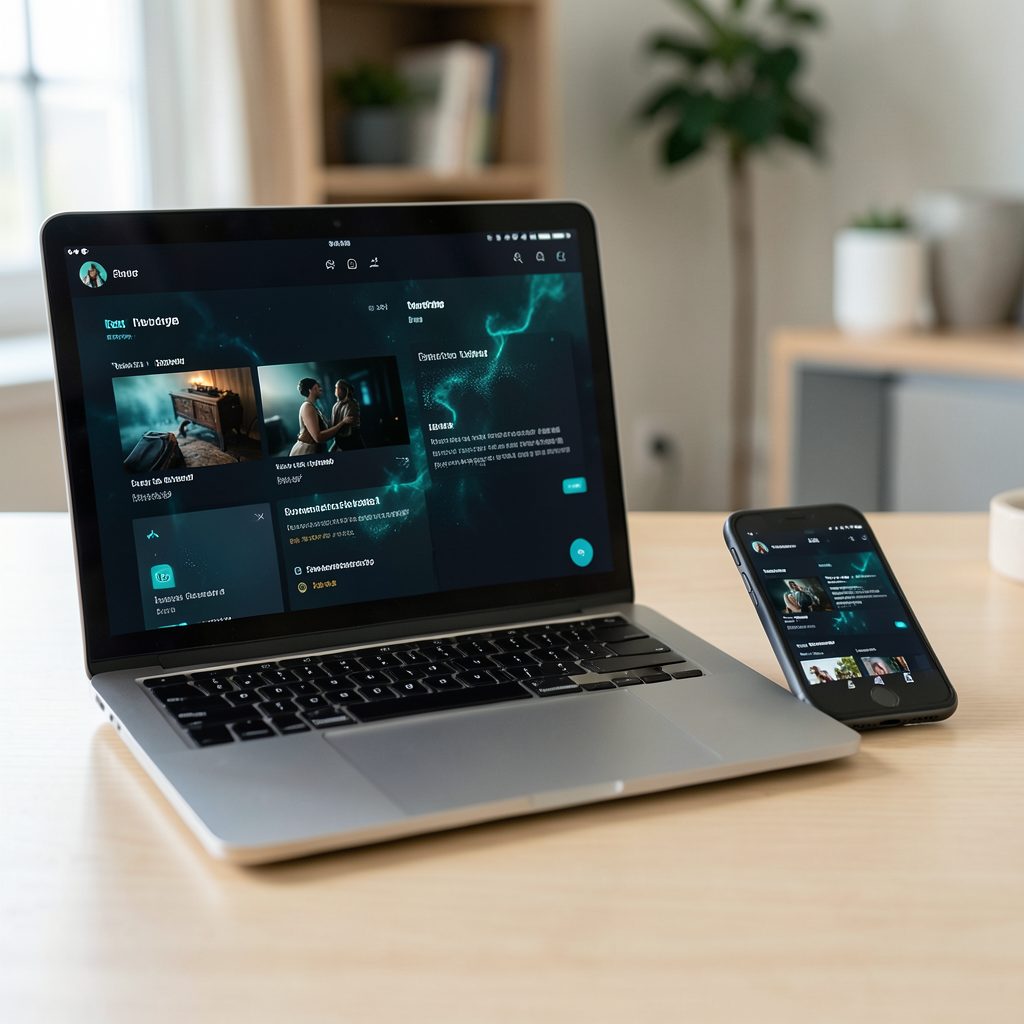
How to use Popcorn Time with a seedbox for faster downloads
Popcorn Time is designed around torrent-based playback, so the quality of the experience depends on several connected factors: torrent availability, peer upload speed, your home connection, and the way the application handles buffering. When public peers are slow or inconsistent, a seedbox can provide a more stable route for obtaining media files.
A seedbox is a remote server with a fast internet connection that downloads and uploads torrents on your behalf. Instead of relying entirely on the swarm from a home network, you send a magnet link or torrent file to the seedbox, let the server complete the transfer, and then access the finished file remotely.
This arrangement can help with large downloads, limited upload bandwidth, and playback on devices that struggle with direct torrent connections. It does not turn Popcorn Time into a conventional licensed streaming service, however. Use the setup only for content you are legally allowed to access, and check the rules that apply in your country.
What a seedbox changes
A seedbox moves the torrenting workload away from your computer, phone, or home router. Most providers place their servers in data centers with high-speed connections and strong uptime, allowing the torrent client on the seedbox to connect to many peers at once. The result may be faster completion and fewer interruptions than a poorly seeded torrent on a residential connection.
The improvement is most noticeable when your internet service has slow upload speeds, strict bandwidth limits, or a router that handles many peer connections inefficiently. A seedbox can also continue downloading while your own devices are offline. Once the file is complete, you can retrieve it through SFTP, HTTPS, WebDAV, or a provider’s file manager.
There are practical limits. A seedbox cannot create more availability when a torrent has no active seeders, and your playback speed is still constrained by the connection between the server and your viewing device. A remote server also adds subscription costs, storage limits, and another account that must be secured.
Choosing a compatible seedbox
Select a provider according to storage, transfer allowances, server location, and the applications it supports. For occasional television episodes, a small plan may be enough. High-bitrate films, complete seasons, and 4K files require substantially more disk space and a faster route from the server to your home.
A web-based torrent client such as qBittorrent, Transmission, or Deluge is useful because it lets you paste a magnet link without installing software on your personal device. Look for SFTP or WebDAV access if you want to manage files through a desktop media player, Kodi-style library, or network file browser. HTTPS streaming can be convenient, but provider bandwidth policies may apply.
Server location affects latency and download performance. A nearby data center often gives better file access, while a distant server may still perform well during the torrent download itself. Read the provider’s acceptable-use policy before signing up, especially where torrent traffic, copyrighted material, or public trackers are restricted.
Privacy features should be assessed separately from speed. Encryption for your connection to the seedbox protects data in transit, but it does not make unauthorized activity lawful. A provider’s logging policy, account security, payment options, and response to copyright complaints are all relevant before storing files remotely.
Connecting Popcorn Time to the remote workflow
In most cases, Popcorn Time does not offer a universal setting that directly turns a seedbox into its built-in torrent engine. Forks differ in how they handle torrent metadata, magnet links, cached files, and external playback. The dependable approach is to treat the seedbox as a separate download location and use Popcorn Time for discovery or playback only where the particular fork supports that workflow.
The basic process is straightforward. Find the legal torrent or magnet source, copy the magnet link, and paste it into the seedbox’s torrent client. Wait until the download has enough completion for your intended use, then open the resulting file through SFTP, WebDAV, HTTPS, or a supported media application. Some seedboxes provide a share link that can be opened in VLC or another compatible player.
If your Popcorn Time fork accepts external torrent URLs or lets you add a custom source, consult its documentation before entering seedbox details. Avoid giving an unfamiliar fork your seedbox password, private keys, or API token. A safer arrangement is to use a separate restricted account and expose only the media directory required for playback.
The seedbox may also work as a staging area. You can download a file remotely, move it to local storage, and then let a media center index it. This approach is often more reliable than trying to make Popcorn Time buffer from a remote SFTP location, because some players handle direct file transfer better than torrent-based streaming.
A practical setup path
Begin by creating a seedbox account and enabling two-factor authentication if it is available. Generate an SFTP key instead of relying only on a password, and restrict the key to the seedbox service where possible. Record the server address, port, username, and storage path in a password manager rather than in a plain text note.
Next, open the provider’s torrent client and add a legal magnet link or torrent file. Set a download directory with sufficient free space, then check whether the provider supports sequential downloading. Sequential mode can make a partially downloaded file playable sooner, but it increases the risk of poor swarm behavior and may not be supported by every client.
After the download finishes, test access from the device that will play the content. An SFTP connection is suitable for file management, while WebDAV or HTTPS may be easier for applications that expect a network location. If the file stutters, copy it locally first and compare playback. That test shows whether the problem is the remote transfer path or the media file itself.
Use descriptive folders and predictable names for films and episodes. Keeping subtitles, artwork, and video files together makes the library easier to manage. Delete incomplete files and old downloads regularly because seedbox storage fills quickly when high-definition media is retained indefinitely.
Playback speed, quality, and device support
A faster seedbox download does not automatically mean smoother playback. The completed file still needs to travel from the remote server to your device at a rate higher than the video’s bitrate. A 4K file with a high bitrate can require several times the bandwidth of a standard-definition stream, particularly when subtitles, multiple audio tracks, or remuxed source files are involved.
Before choosing a high-resolution release, verify that the playback device, display, network, and application support the format. HEVC, HDR, Dolby audio, and large file sizes can create problems even on a fast connection. Guidance on 4K playback options can help explain the role of compatible add-ons and hardware, but add-ons do not overcome a weak network or unsupported codec.
Chromecast and AirPlay introduce another transfer stage. A phone may need to fetch the file from the seedbox and then send it to the television, which can cause buffering if the mobile device acts as an intermediary. A direct-compatible receiver, local media server, or Ethernet-connected streaming box is often more stable for large files.
Mobile playback requires additional care. iOS devices have file-access restrictions, and a Popcorn Time fork may not support the same features as its desktop version. Before attempting a phone or tablet setup, review this guide on iPhone and iPad support and confirm that the chosen application is legitimate, current, and safe to install.
| Access method | Best use | Main advantage | Common limitation |
|---|---|---|---|
| SFTP | Moving files to a computer or media server | Secure file transfer and broad client support | Usually needs a compatible player or local copy |
| WebDAV | Browsing a remote library from supported apps | Convenient folder-style access | Performance varies by application |
| HTTPS link | Opening one finished file remotely | Simple setup and easy sharing | Provider bandwidth and link expiry may apply |
| Local download | Watching on a laptop, phone, or TV box | Most consistent playback | Uses local storage and home bandwidth |
| Direct Popcorn Time playback | Supported fork-specific workflows | Familiar browsing interface | Seedbox integration may be unavailable or unreliable |
Troubleshooting common problems
If the seedbox download is slow, inspect the torrent’s health before changing settings. A torrent with few seeders, old metadata, or an unstable tracker may perform poorly anywhere. Try a lawful, well-seeded source when available, and avoid adding random tracker lists from untrusted websites. Excessive connection limits can also reduce performance, so use the provider’s recommended defaults.
When a completed file buffers, measure the remote-to-device transfer rather than focusing only on the seedbox’s advertised port speed. Pause other downloads, test a different access method, and try a smaller file. If HTTPS works while SFTP playback stutters, the player may be inefficient at reading SFTP rather than the seedbox being underpowered.
Authentication errors usually come from an incorrect port, disabled protocol, expired password, or a firewall rule. Recheck the provider’s current connection details and confirm that the account has permission to read the selected folder. Do not repeatedly expose administrative credentials inside third-party media apps.
Subtitle and audio issues are often file compatibility problems. Download subtitles separately from a reputable, lawful source, use matching file names, and select a supported audio track. Transcoding through Plex, Jellyfin, VLC, or another media server can solve codec conflicts, although transcoding 4K video may require a capable CPU or GPU.
Safety, privacy, and legal boundaries
A seedbox changes where the torrent connection originates, but it does not remove legal responsibility. Copyright holders may send notices to providers, and seedbox companies can suspend accounts under their policies. Use the service for public-domain works, authorized downloads, Linux distributions, or other material for which you have permission.
A VPN can protect the connection between your home device and the VPN server, but it does not automatically cover the seedbox’s own torrent traffic. If privacy is important, examine whether the provider supports encrypted access, what it logs, and how it handles account data. Never assume that a VPN, seedbox, or Popcorn Time fork makes all activity anonymous.
Keep every application updated and download Popcorn Time software only from a source you can verify. Unofficial forks may bundle aggressive advertising, unwanted installers, or altered torrent sources. Scan downloaded files, avoid cracked clients, and separate media playback accounts from sensitive personal accounts.
A disciplined setup works best:
- Use a seedbox with clear storage, bandwidth, and logging policies.
- Enable two-factor authentication and a restricted SFTP account.
- Test remote playback with a small, legally sourced file before storing large libraries.
- Match video resolution and codecs to the capabilities of your device and network.
- Remove files you no longer need and keep only content you are authorized to access.
Start with a modest seedbox plan, a secure transfer method, and a known compatible media player. Test the complete path from remote download to television or mobile device before committing to high-bitrate files. With realistic expectations and lawful sources, the seedbox can reduce torrent wait times and provide a more controlled way to manage Popcorn Time-related playback.