
Using Popcorn Time’s Remote Control Feature
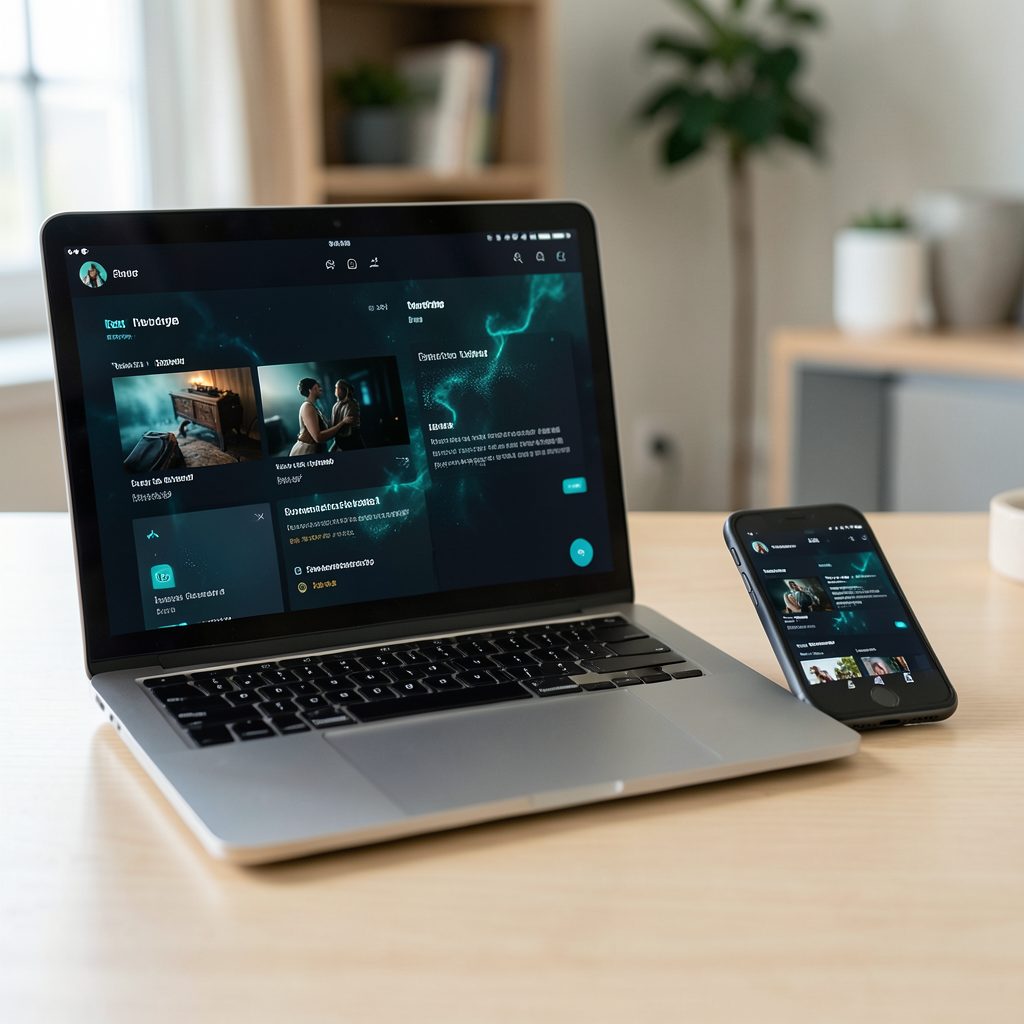
Popcorn Time remote control support can make a computer, Android device, or media-center setup easier to use from the sofa. Instead of reaching for a keyboard and mouse, you may be able to pause playback, browse titles, adjust the volume, select subtitles, or send a film to a larger screen from a second device.
The exact process depends on the Popcorn Time fork and the platform running it. Some releases include a built-in remote interface, while others rely on a companion mobile application, a browser-based controller, or standard keyboard shortcuts. Menus and pairing methods can change between versions, so the most reliable approach is to identify the feature available in your installation before trying to connect.
Because Popcorn Time applications commonly use peer-to-peer technology, remote control is separate from the legality of the content being accessed. Use the software only where the streams and downloads comply with copyright law, and avoid installing unofficial packages from untrusted sources.
Check Whether Your Version Supports Remote Control
Start by opening Popcorn Time on the device that will play the video. Look through Settings, Preferences, Playback, or Network for terms such as “remote,” “web remote,” “mobile controller,” “pair device,” or “remote access.” The feature may appear under a general device or connectivity menu rather than in the playback section.
A compatible fork may display a local IP address, a port number, a QR code, or a short pairing code. These details allow a phone or tablet on the same home network to find the player. If no such option exists, your version may support only keyboard control or an external remote-control application.
Check that the desktop or television device is awake and that Popcorn Time is running. A remote controller cannot usually start an application that has been fully closed. Some forks also disable remote access until a video has been selected, so test the feature from the main browsing screen and again during playback.
Connect Both Devices to One Network
The simplest setup places the playback device and the phone on the same private Wi-Fi network. Connecting the computer by Ethernet and the phone by Wi-Fi is normally acceptable if both devices receive addresses from the same router. A guest network, mobile hotspot, VPN isolation mode, or separate wireless access point can prevent discovery.
On the phone, open the relevant companion controller or browser interface and allow it to scan for available players. If automatic discovery fails, enter the local IP address shown by Popcorn Time manually. Use the address exactly as displayed, including a port number if the application requests one. Do not substitute the public IP address assigned by your internet provider.
A firewall may ask whether Popcorn Time should communicate on the local network. Permit private-network access only if you trust the devices connected to that network. Avoid opening the remote-control port to the public internet. Port forwarding is unnecessary for ordinary in-home control and can expose the player to unwanted connections.
If you use a VPN, the phone and playback device may be placed on different virtual networks. Split tunneling or local-network access settings can sometimes restore communication, but the safest test is to connect both devices to the same router without network isolation. Re-enable your preferred privacy settings after diagnosing the connection.
Pair the Remote and Test Playback
When a pairing code or QR code appears, enter or scan it from the controller. A successful connection may show the player’s name, current title, or playback status. Some older forks do not use a code and simply list every compatible player on the local network, which makes choosing the correct computer important.
Test basic commands before starting a long film. Play and pause should respond within a few seconds, and the timeline should move when you seek forward or backward. Then try volume, subtitles, audio-track selection, fullscreen mode, and stopping playback. A controller may support navigation without supporting every desktop function.
| Control Method | Usually Needed | Common Capabilities | Typical Limitation |
|---|---|---|---|
| Built-in mobile remote | Compatible Popcorn Time fork and local Wi-Fi | Play, pause, seeking, volume, browsing | Feature may be removed or renamed |
| Browser-based remote | Local IP address and active player | Basic playback and media navigation | Requires the player’s web interface |
| Keyboard or media remote | Computer, TV box, or wireless keyboard | Reliable playback and menu control | Does not provide phone-based browsing |
| Chromecast or AirPlay control | Compatible receiver and supported fork | Casting, pause, volume, device selection | Subtitle and stream support can vary |
| Third-party remote app | App compatibility and local network access | Custom buttons and device control | Security and reliability depend on the publisher |
After testing, close and reopen the controller to confirm that it can reconnect. If it works only while Popcorn Time’s settings screen is open, the fork may restrict remote access to a particular application state. Keep a keyboard or physical remote nearby until the setup proves stable.
Control Streaming Across Screens
Remote control becomes especially useful when Popcorn Time is connected to a television through HDMI, Chromecast, AirPlay, or a media box. In these arrangements, the phone can act as a browsing and playback controller while the larger display handles the video. The available workflow varies by fork: some send the stream directly to the receiver, while others mirror or control playback on the original computer.
For Chromecast, confirm that the phone and receiver are on the same network and that the casting icon appears inside the application. Select the correct Chromecast device before beginning playback when possible. If the video starts on the computer instead, the fork may treat casting as a separate action rather than a destination selected from the title page.
AirPlay support can differ according to the operating system and the Popcorn Time build. An iPhone or iPad may detect an Apple TV or compatible television, but subtitles, audio tracks, and seeking may behave differently from local playback. Keep the source device powered and connected, since some casting methods use the phone as a controller while the source continues supplying the stream.
A remote controller generally does not improve stream quality. Buffering, resolution, and subtitle availability still depend on the selected source, network speed, and the capabilities of the receiving device. If you regularly download or cache media, review this disk space guide to prevent stored files from consuming the playback computer’s drive.
Fix Discovery And Pairing Problems
When the remote cannot find Popcorn Time, begin with the basic network checks. Confirm that both devices are connected to the same router, compare their local IP ranges, and temporarily disable guest-mode isolation. Restarting the application can refresh its local discovery service, while restarting the router may clear a stale device connection.
If manual IP entry is available, locate the player’s address in the operating system’s network settings or in Popcorn Time’s remote menu. A local address commonly begins with 192.168, 10, or 172. Do not share pairing codes or local network details publicly, even though they are not the same as an internet-facing address.
Firewall rules are another common cause of failure. On a computer, allow the application to communicate on private networks and ensure that the chosen port is not blocked. Security software may create a separate rule for each application update, so a previously working fork can lose permission after installation of a newer build.
When commands connect but do not work correctly, update both components if compatible releases are available. An older mobile controller may expect different commands from a newer desktop fork. Remove and reinstall the controller only from a reputable source, and check its requested permissions before granting access.
Protect Your Network And Devices
A local remote feature still deserves basic security. Anyone with access to the same untrusted network may be able to discover an openly advertised player, depending on the fork. Use a private home network, enable pairing protection where available, and turn off remote access when you are finished using it.
Never forward the Popcorn Time remote port through your router unless you fully understand the security implications and have a strong reason to do so. A local controller is designed for nearby devices, not remote access from outside the home. Publicly exposing an old or unsupported service can allow strangers to interact with the player.
Install only versions that you can verify and avoid modified packages that promise premium streams, unrestricted access, or hidden remote features. Unofficial applications can contain malware, aggressive advertising components, or unsafe network services. Keep the operating system, browser, media receiver, and security software updated.
Privacy settings also matter. A VPN may conceal some network activity from an internet provider, but it does not make copyright infringement lawful and can interfere with local device discovery. Select a provider and configuration that match your legal, privacy, and connectivity needs, and review the laws applicable to your location before using torrent-based streaming software.
Practical Setup Recommendations
- Confirm the exact Popcorn Time fork and version before installing a companion remote application.
- Connect the phone and playback device to the same private network, avoiding guest Wi-Fi and unnecessary port forwarding.
- Pair with the displayed code, QR image, or local IP address, then test pause, seeking, subtitles, and volume.
- Keep a keyboard or physical media remote available for recovery when the mobile controller disconnects.
- Disable the remote service when it is not needed and remove controllers that request excessive permissions.
A properly configured remote turns a computer-based Popcorn Time installation into a more comfortable living-room player, but compatibility remains fork-specific. Verify the feature inside the application, keep connections local, and treat every third-party controller as network software that requires careful handling. Use the steps above to test your setup safely and make playback control more convenient across your supported devices.