


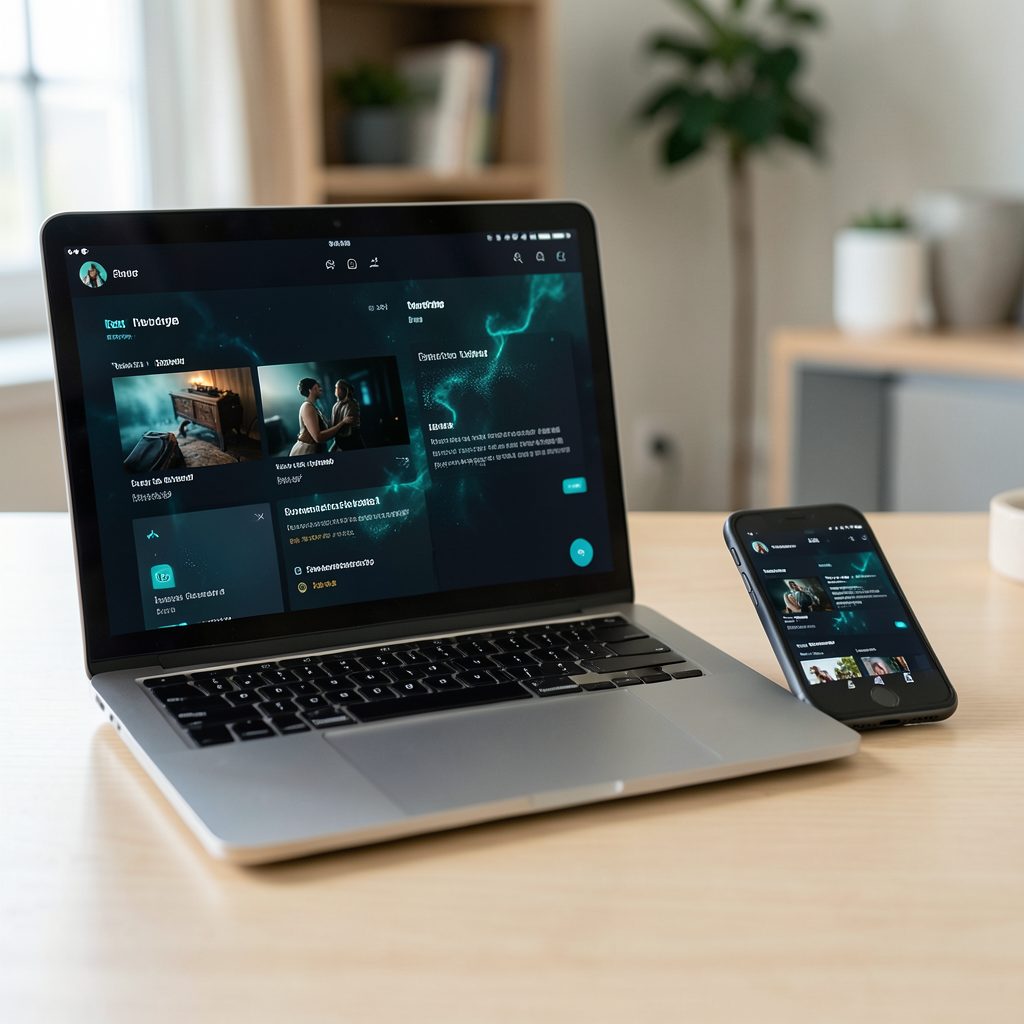
How to Use Popcorn Time Bookmarks and Favorites Effectively
Popcorn Time’s catalog can make it easy to lose track of films and television shows you intend to watch. Bookmarks, favorites, watchlists, and library markers are designed to solve that problem by keeping selected titles close at hand. Used carefully, they can turn a large streaming catalog into a personal shortlist that is easier to browse and maintain.
The exact names and behavior of these features differ between Popcorn Time forks and releases. One version may use a heart icon, while another may label the same action as “Add to favorites” or “Bookmark.” Some applications synchronize selections through an account, but many store them only on the current device.
That difference matters when moving between Windows, Android, macOS, Linux, or a television device. Before relying on a saved list, check where the application stores its data, whether an account is required, and whether an update could remove locally saved entries. Also remember that the availability and legality of content depend on your location and the rights attached to each title.
How bookmarks and favorites usually work
A bookmark normally identifies a title that you want to find again. In many Popcorn Time-style interfaces, selecting a film or series and pressing a heart, star, ribbon, or plus button adds it to a dedicated list. Opening that list later lets you review saved items without searching the full catalog again.
Some forks use “favorites” as a simple saved-title collection. Others combine favorites with viewing history, watched status, or a queue. A saved show may remain in your list even after you watch an episode, while a queue may automatically remove or reorder items. Treat these as separate functions when the interface provides separate controls.
A bookmark is usually a shortcut, not a guarantee that a title will remain available. Metadata can change, torrent sources can disappear, and a provider may stop listing a film or episode. Saving a title preserves your interest in it, but it does not preserve a working source or create a permanent offline copy.
Build a list that stays useful
The most effective favorites list is selective. Saving every interesting title makes the feature resemble the main catalog, which defeats its purpose. Add films you genuinely expect to watch soon, shows you are actively following, and titles you want to investigate later. Remove items once they no longer fit those categories.
For television, save the series rather than every episode unless the application specifically supports episode-level bookmarks. A series-level favorite generally gives you a central place to see seasons, episode numbers, and newly indexed content. If a fork offers a “continue watching” row, use that for current viewing and reserve favorites for future plans.
It can also help to separate intentions mentally. A short list might contain “watch this week,” while a longer collection holds documentaries, rewatch candidates, or films recommended by friends. If the application supports custom lists or tags, use simple labels such as “weekend,” “family,” or “unfinished.” Avoid creating so many categories that maintaining them becomes a task of its own.
Use search, filters, and metadata together
Bookmarks are most useful when paired with the application’s search and filtering tools. After opening your saved titles, narrow the results by genre, release year, language, or rating if those filters are available. This is faster than scanning an unorganized list, especially when the collection has grown over several months.
Metadata deserves a quick review before you press play. Similar titles may have different release years, and a film can appear in several language or quality versions. Read the synopsis, check the runtime, and confirm that the selected entry is the intended film or season. A favorite list filled with duplicate or incorrectly matched titles becomes unreliable.
Ratings and artwork can change when a fork refreshes its data source. For that reason, use the title and year as your primary identifiers rather than relying only on poster images. If a saved entry suddenly displays different artwork or an unfamiliar synopsis, remove it and search for the correct listing again.
When installing or updating a compatible fork, consult the relevant Time4Popcorn download information and verify that the release supports your operating system. An update may improve catalog search while changing the way favorites are stored, so reviewing release notes and backing up application data can prevent avoidable loss.
Keep favorites consistent across devices
A favorite saved on a laptop may not appear on a smart TV or mobile device. This usually happens because the application stores bookmarks locally, uses different profiles, or treats each fork as a separate installation. Even when two versions have similar names, they may use unrelated databases and cannot exchange watchlists.
If synchronization is available, sign in using the same account on each supported device and allow the library time to refresh. Avoid repeatedly adding and removing the same title while the application is syncing, because conflicting changes can produce duplicates or restore an old list.
Without cloud synchronization, maintain a small external record of important titles. A private note containing the film name, year, and preferred language can help rebuild a list after reinstalling the application. Do not store passwords, private access tokens, or sensitive account details in an unprotected note.
The same principle applies when casting with Chromecast or AirPlay. Casting sends playback from one device to another, but it does not necessarily transfer the local favorites database. Save and organize titles on the device that manages the library, then use the television or receiver primarily for playback.
Comparison of bookmark workflows
The right workflow depends on how much content you save and how many devices you use. A small local list is fast and private, while a synchronized account is more convenient when supported. An external record takes extra effort but provides a recovery option if application data is lost.
| Workflow | Best for | Main advantage | Limitation |
|---|---|---|---|
| Local favorites | One primary device | Quick setup and no account dependency | May disappear after reset or reinstall |
| Account-based sync | Multiple supported devices | Lists can follow your profile | Availability and privacy practices vary |
| Series bookmarks | Ongoing television viewing | Keeps seasons and episodes together | May not track individual episodes accurately |
| External title record | Backup and migration | Helps rebuild a library | Requires manual maintenance |
| Separate custom lists | Large personal catalogs | Groups titles by purpose or genre | Too many categories become difficult to manage |
Use the simplest method that matches your habits. If you watch on one computer, local favorites may be sufficient. If you regularly move between a phone, desktop, and television interface, synchronization or a lightweight backup becomes much more valuable.
Recover missing or duplicate saved titles
Missing bookmarks do not always mean that the titles were deleted. A logged-out profile, a changed data directory, a cleared app cache, or an upgrade to another fork can make the list appear empty. First, confirm that you are using the same profile and application version as before. Then check whether the fork has a separate favorites view hidden behind a library, account, or menu icon.
If the list remains empty, restart the application and allow its catalog to finish loading. Search for one title you remember saving. If it still appears in the catalog, add it again and test whether the favorite icon changes state. This helps distinguish a missing local database from a temporary interface or metadata problem.
Duplicates often result from alternate entries for the same film or from separate season records. Compare the title, year, artwork, and synopsis, then retain the entry with the clearest metadata. Removing duplicates regularly keeps search results manageable and reduces uncertainty when a title is indexed from several sources.
Avoid deleting application folders before checking whether they contain your library data. Clearing cache is different from removing user preferences, but the labels vary by operating system and fork. When troubleshooting, record the current installation path and export or copy relevant data only when the software documentation explains the format and location.
Protect privacy and follow local rules
A favorites list can reveal viewing interests, household preferences, or sensitive subjects. If other people use the device, enable its normal operating-system lock and avoid leaving an account signed in on a shared computer. Be cautious with unofficial forks that request unnecessary permissions or bundle unrelated software.
Use a reputable security tool to scan downloaded installers, and obtain software from a source you can evaluate. A VPN may improve privacy on public networks by encrypting traffic between your device and the VPN service, but it does not make copyright infringement lawful or guarantee anonymity. It also cannot repair a broken bookmark database or make unavailable content accessible.
Popcorn Time has historically relied on torrent-based delivery, so playback can involve uploading as well as downloading data. Copyright rules differ by country, and streaming or sharing a work without permission may create legal risk. Check the law where you live and use authorized sources for content that is protected or unavailable for lawful distribution.
Before saving a title, consider whether the source is legitimate and whether the application provides enough information to identify it. A well-organized favorites list should support responsible viewing decisions rather than encourage automatic playback from unknown providers.
A practical routine for managing saved titles
A brief maintenance routine prevents a favorites list from becoming outdated:
- Add a title only after checking its name, release year, and language.
- Keep active television series in favorites and use viewing history for episodes already watched.
- Review the list every few weeks and remove titles that no longer interest you.
- Back up important title names before reinstalling, changing devices, or switching forks.
- Test synchronization with one saved item before assuming the entire library transferred successfully.
This routine takes only a few minutes and makes the saved library easier to trust. It also exposes problems early, such as a broken account connection, duplicated entries, or a fork that no longer maintains compatible metadata.
Bookmarks are most valuable when they reflect clear viewing intentions. A compact list, accurate metadata, and a simple backup process provide better results than collecting hundreds of entries and hoping they remain available. By understanding how your particular release handles local storage, profiles, and watch status, you can use Popcorn Time’s bookmarks and favorites effectively without confusing a saved shortcut with a permanent content library.
Review the bookmark controls in your installed fork, organize a manageable first list, and test it on the device you use most. Keep your software source, privacy settings, and viewing choices aligned with local law so that the convenience of a personal watchlist does not come at the expense of security or responsible use.