
How to Stream Popcorn Time to a Roku Device
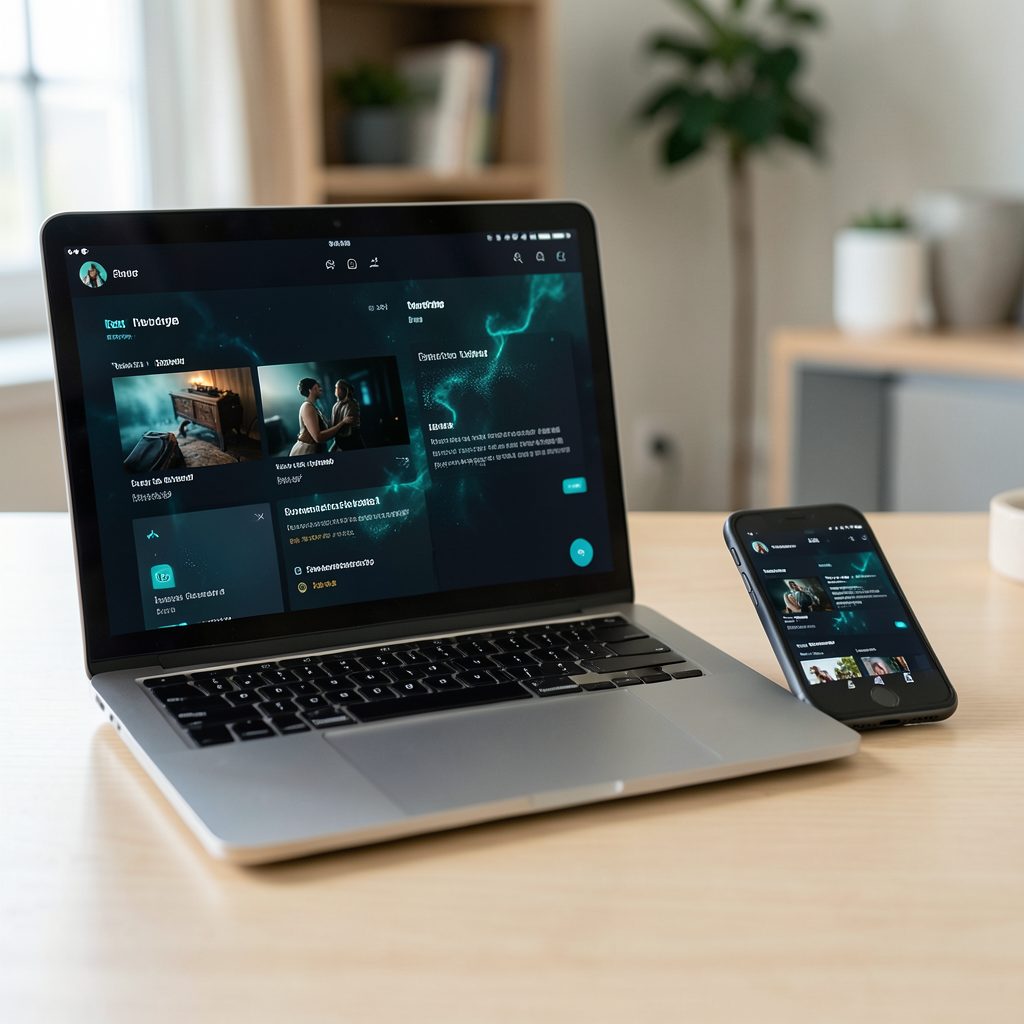
Popcorn Time is designed primarily for computers, phones, and certain smart-TV platforms. Roku devices do not generally offer an official Popcorn Time channel, so the usual approach is to run the application on another device and send its video output to Roku. The best method depends on whether you use Android, Windows, macOS, or iPhone.
There is an important distinction between casting a video and mirroring a screen. Chromecast casting sends playback directly to a compatible receiver, while Roku usually relies on AirPlay or screen mirroring. As a result, a Popcorn Time fork may display different behavior depending on the operating system, Roku model, and playback protocol it supports.
Popcorn Time uses peer-to-peer technology, and the copyright status of a movie or television episode can vary by country and title. Before streaming, check local rules, the terms of your internet service, and the licensing position of the content. A VPN can improve privacy on an unsecured network, but it does not make unauthorized sharing or viewing lawful.
Check Roku And Source Device Compatibility
Start by identifying your Roku model and software version. Many newer Roku TVs and streaming players support AirPlay and HomeKit, while some older devices may support only Roku screen mirroring. On the Roku home screen, open Settings, choose Apple AirPlay and HomeKit where available, and confirm that AirPlay is enabled. For Android or Windows, look under System and Screen Mirroring.
The source device must be connected to the same local network as Roku for most wireless methods. A guest Wi-Fi network, VPN split-tunneling configuration, wireless isolation, or two separate router bands can prevent device discovery. If Roku does not appear in the cast or mirroring list, temporarily place both devices on the same standard network and restart them.
The Popcorn Time application itself also matters. Forks differ in their support for external players, subtitles, torrent protocols, and casting buttons. Avoid unofficial downloads from unknown pages, since modified installers can contain adware, credential stealers, or unwanted browser extensions. Keep the operating system, Roku software, and security tools updated before testing playback.
Use AirPlay From Apple Devices
AirPlay is usually the smoothest option for compatible Roku hardware. On an iPhone or iPad, open Control Center, tap Screen Mirroring, and select the Roku device. On a Mac, click the Control Center icon in the menu bar, choose Screen Mirroring, and select Roku. Enter the passcode shown on the television if Roku requests one.
Some Popcorn Time versions may expose an AirPlay or external playback control within the video player. If that control works, it can send supported media to Roku without mirroring the entire desktop. However, compatibility is inconsistent. A player may advertise Chromecast support without supporting AirPlay, and Roku cannot automatically receive every casting protocol.
For Mac users, application permissions can affect discovery. Allow local network access when macOS asks, and verify that the Mac is not blocking the application through a firewall rule. Users setting up Popcorn Time on Apple’s latest desktop software can review this macOS Sequoia guide for operating-system-specific installation and permission details.
AirPlay is sensitive to network quality. If playback pauses, reduce the video resolution in Popcorn Time, move the router closer to both devices, or connect the Mac to the router with Ethernet. Mirroring a high-definition desktop uses more bandwidth than sending a small control signal, so an unstable wireless connection may produce audio delays and dropped frames.
Mirror Android Or Windows To Roku
Android phones and tablets can often mirror their screens through Roku’s wireless display feature. Roku may label the function Screen Mirroring, while Android manufacturers use names such as Smart View, Cast, Wireless Display, or Screen Share. Open the relevant quick-settings control, select Roku, and approve the connection on the television.
Android terminology varies widely, and some devices include Google Cast but not Miracast. Google Cast alone does not guarantee compatibility with Roku. If the Roku does not appear, look in the phone’s display or connection settings for a separate wireless-display option. Certain manufacturer interfaces remove that feature entirely, in which case a wired adapter or another playback device may be more dependable.
Windows 10 and Windows 11 computers can use Miracast when both the PC and Roku support it. Press Windows + K, select the Roku device, and choose whether to duplicate or extend the display. Duplicate mode is generally simpler for Popcorn Time because the player remains visible on the television. Close unnecessary applications to reduce processor and network demand.
Screen mirroring reproduces everything shown on the source display, including notifications, menus, and playback controls. Turn on Do Not Disturb, hide private notifications, and use full-screen playback before connecting. Some applications display a black video area during mirroring because of digital rights management or graphics-driver restrictions; changing to a supported external player may help, but it cannot bypass every protection.
Compare The Available Streaming Methods
Different connections offer different balances of quality, compatibility, and convenience. A direct HDMI connection is usually the most predictable because it avoids wireless discovery and Roku protocol limitations. Wireless mirroring is easier when the television and source device are in separate rooms, but it depends heavily on network conditions.
| Method | Source devices | Roku requirement | Main advantage | Common limitation |
|---|---|---|---|---|
| AirPlay mirroring | iPhone, iPad, Mac | AirPlay-compatible Roku | Simple Apple integration | Not available on every Roku model |
| Roku screen mirroring | Android, Windows | Screen Mirroring support | Works with many desktop players | Device and manufacturer support varies |
| HDMI connection | Windows, Mac, some Android devices | Any Roku TV or nearby HDMI input | Stable picture and sound | Requires a cable or adapter |
| Direct app playback | Roku-supported channels only | Official compatible channel | No second device required | Popcorn Time is generally not an official Roku channel |
| Chromecast casting | Android, Chrome browser, some apps | Chromecast receiver, not standard Roku | Efficient cast control | Roku does not natively accept every Google Cast request |
If the goal is reliable movie playback rather than a completely wireless setup, connect the computer directly to an open HDMI input on the Roku television. This does not stream through the Roku player itself; it uses the television as a display. Set the computer’s output to 1080p or the television’s native resolution, select the correct HDMI input, and route audio through the television or sound system.
A separate Chromecast or Android TV device may be more suitable when a Popcorn Time fork offers Google Cast but not AirPlay or Miracast. That hardware would operate as the receiver while Roku remains available for other services. Avoid assuming that a “cast” icon guarantees universal support, because developers often use the word for several incompatible technologies.
Improve Playback And Resolve Common Errors
A spinning buffer usually indicates limited torrent availability, slow peers, congested Wi-Fi, or excessive video quality for the available connection. Choose a title with healthy availability when the application displays that information, allow a short buffer before starting full-screen playback, and avoid simultaneous large downloads. Never redistribute copyrighted material simply to improve availability.
If Roku connects but shows a black screen, test a different title and a different player mode. Disable hardware acceleration only as a troubleshooting step if the source application offers that setting, since it may increase CPU usage. Updating graphics drivers, restarting the source device, and disconnecting other wireless displays can also resolve rendering conflicts.
Audio and video synchronization problems often arise when mirroring rather than casting. Lowering the resolution, closing background applications, and using a wired network connection can reduce latency. If subtitles appear on the computer but not the television, use subtitles rendered by the source player instead of relying on Roku’s own media support.
When the Roku cannot be discovered, restart the Roku, source device, and router. Confirm that AirPlay or screen mirroring is enabled, remove old pairing entries, and check whether a VPN is routing local traffic away from the home network. Some VPN applications include a “block local network” option; disabling that feature while mirroring may restore discovery, though it changes the privacy configuration.
Protect Privacy And Respect Content Rights
Torrent-based streaming exposes more connection information than conventional on-demand services because the client may communicate with other peers. A reputable VPN can encrypt traffic between the source device and the VPN server and may reduce exposure on public Wi-Fi. Select a provider with a clear privacy policy, a reliable kill switch, and support for the operating system you use.
A VPN does not verify that a title is licensed, and it does not override copyright law, platform rules, or a rights holder’s distribution restrictions. Use Popcorn Time only for content you are authorized to access, such as public-domain works, properly licensed material, or files for which you hold the necessary rights. Also review data-retention practices before trusting any application or VPN with your activity.
Roku itself should be kept separate from questionable third-party installers. Do not enter your Roku account password into a Popcorn Time pop-up, sideloading utility, or unfamiliar streaming page. Install software only from sources you can verify, scan downloaded files, and reject browser extensions or bundled “media tools” that are unrelated to playback.
For regular television viewing, official Roku channels, authorized network applications, and legitimate rental services provide a safer route. They usually offer better subtitle support, predictable updates, and fewer problems with peer availability. Popcorn Time troubleshooting should never require disabling antivirus protection permanently or granting an unknown application unrestricted access to personal files.
A Practical Setup Checklist
Use this sequence when preparing a Roku connection:
- Update Roku, the source device, and the Popcorn Time fork before beginning.
- Place Roku and the source device on the same private Wi-Fi network.
- Enable AirPlay for Apple hardware or Screen Mirroring for supported Android and Windows devices.
- Start with a legal, properly licensed title at moderate resolution to test audio, video, and subtitles.
- Switch to HDMI or a dedicated compatible receiver if wireless mirroring remains unstable.
Once the connection works, keep the source device plugged into power during long sessions and prevent it from entering sleep mode. Use a wired Ethernet connection for a desktop when possible, and leave the Roku remote available so you can pause playback or change inputs without interrupting the computer.
The most dependable arrangement is usually a compatible Mac using AirPlay, a Windows or Android device using Roku screen mirroring, or any computer connected through HDMI. Test the method with authorized content first, then adjust resolution and network settings before attempting longer viewing sessions. Choose the setup that preserves privacy, follows local law, and gives you stable playback on the Roku screen.