
How to Stream Popcorn Time to Chromecast Without a Phone
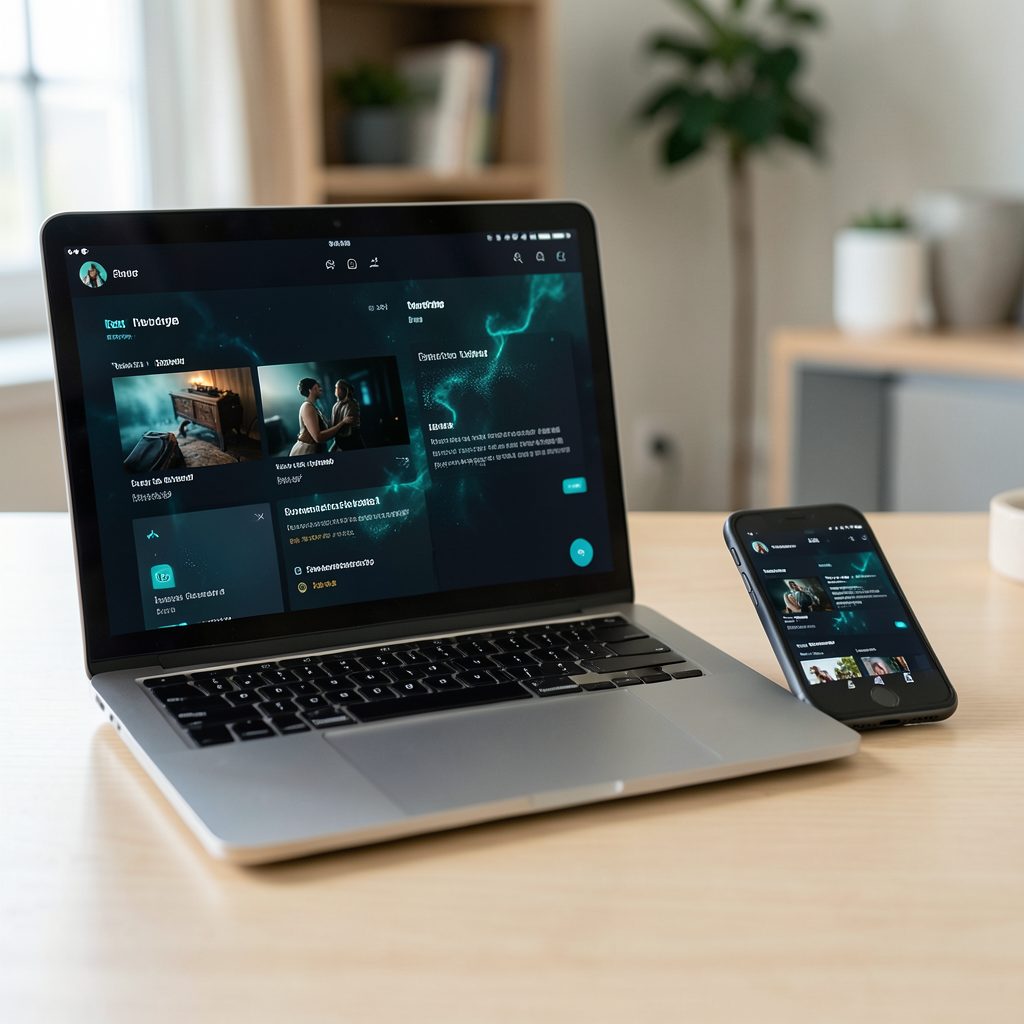
A phone is not required to send video to a Chromecast. A Windows, macOS, or Linux computer can act as the casting device, while Chromecast handles playback on the television. The most practical approach is usually desktop or tab mirroring through Google Chrome, although the exact steps depend on the Popcorn Time fork and Chromecast model.
Older Chromecast dongles rely on another device to select and control content. Chromecast with Google TV works differently because it has its own interface and can run compatible applications directly. Understanding that distinction helps you choose between casting from a computer and installing a supported app on the streaming device itself.
Popcorn Time uses peer-to-peer technology, so availability, playback quality, and legality can vary by title and location. Before streaming, check the copyright rules where you live, use content you are entitled to access, and download software only from a source you trust. The Popcorn Time resource can help identify current setup information and platform details, but it does not change the legal status of any particular stream.
Check Your Chromecast And Computer
Start by identifying which Chromecast device is connected to the television. A standard Chromecast, Chromecast Ultra, or third-generation Chromecast normally receives a cast session from a computer or mobile device. Chromecast with Google TV includes a remote and on-screen applications, giving you an alternative that does not depend on browser mirroring.
Your computer and Chromecast must be connected to the same local Wi-Fi network for discovery to work. Guest networks, VPN routing, wireless isolation, and separate 2.4 GHz and 5 GHz networks can prevent the devices from seeing each other. If the cast icon does not appear, check the network name on both devices before changing Popcorn Time settings.
A stable wireless connection is important because desktop casting sends a live video feed from the computer. The television is not receiving the torrent data independently; the computer is still downloading and decoding the content. Keep the laptop connected to power, close bandwidth-heavy applications, and position the computer where its Wi-Fi signal is strong.
Use Chrome Desktop Casting
Install or update Google Chrome on the computer, then open the Popcorn Time desktop application or web-based fork you intend to use. Begin playback only after the video has buffered enough to avoid immediately mirroring a loading screen. Open Chrome’s three-dot menu, select Cast, save, and share, and choose Cast.
Chrome may offer separate sources such as a browser tab, a specific window, or the entire screen. A Popcorn Time desktop application generally requires Cast desktop, because it is not running inside the browser. Select the desktop, choose the Chromecast from the device list, and confirm the screen or system audio option if Chrome displays one.
Desktop mirroring is different from native casting. The computer captures the visible output and sends it to Chromecast, so menus, notifications, and cursor movement may appear on the television. Full-screen the player and enable the operating system’s Do Not Disturb mode to create a cleaner viewing experience.
If Popcorn Time runs inside a browser tab, casting that tab can be more efficient than mirroring the complete desktop. Tab casting usually sends the page content and tab audio rather than every visible change on the monitor. It also keeps unrelated windows private, which is useful when the computer is being used for other tasks.
Configure Video, Audio, And Subtitles
Chromecast performance depends on the video resolution, frame rate, codec, and the computer’s ability to decode the file. A 1080p stream may work smoothly on a modern laptop but stutter on an older system when desktop mirroring is active. If playback freezes, lower the stream quality before assuming that Chromecast is defective.
Audio deserves separate attention. Tab casting generally handles browser audio well, while desktop casting may ask you to share system sound. If the television shows video without sound, stop the session and reconnect using the appropriate audio option. Also check the computer’s output device, television volume, and any Bluetooth headset that may be diverting audio.
Subtitle support can be less predictable during screen mirroring. Subtitles rendered by the Popcorn Time player should appear because Chromecast is receiving the screen image. External subtitle overlays, separate subtitle windows, or unsupported character sets may fail to display correctly. Select the subtitle language before starting the cast and test a short scene.
Avoid changing display resolution while a cast session is active. Moving between extended and mirrored displays can interrupt the stream or cause the television image to resize. For the most consistent result, set the computer to its normal display resolution, maximize the video player, and leave the casting controls accessible in Chrome.
| Casting method | Phone needed | Best use | Main limitation |
|---|---|---|---|
| Chrome tab casting | No | Browser-based Popcorn Time playback | Works only when the content runs in a browser tab |
| Chrome desktop casting | No | Standalone Windows, macOS, or Linux app | Uses computer resources and may mirror notifications |
| Built-in Chromecast option | No after setup | Forks that support native Google Cast | Availability varies by application and version |
| Chromecast with Google TV app | No phone for playback | Direct playback from the TV interface | Compatible apps and installation methods vary |
| HDMI connection | No | Reliable fallback for difficult streams | Requires a cable and suitable computer port |
Try A Native Cast Option
Some Popcorn Time forks include a cast button or a device selector inside the playback window. When available, this method is preferable to full desktop mirroring because the Chromecast may receive the media stream directly. The computer can then function as a controller rather than continuously transmitting every frame of the desktop.
Native casting is not consistent across forks. A button may appear only after playback begins, may support certain Chromecast generations, or may fail when a particular codec or subtitle format is selected. Look for a cast symbol near the player controls, then select the Chromecast and wait for the television to establish the session.
If the native connection fails, return to Chrome desktop casting rather than repeatedly restarting the application. Restarting can discard buffering progress and create duplicate peer connections. It is also worth checking whether the application has a setting for local network access, hardware acceleration, or media-player selection.
The download scheduling guide covers a separate feature, but scheduled downloads can be useful when a computer needs to prepare permitted content before a planned viewing session. Downloading in advance does not remove copyright obligations, and the files should be handled according to local law and the rights associated with the content.
Use Chromecast With Google TV Directly
Chromecast with Google TV can reduce dependence on a computer because it provides an operating system, remote control, and application interface. If a compatible, legitimate application is available through the official store, it can be installed and controlled directly from the television. This is different from casting to an older dongle, which usually requires a sender device.
Avoid installing random APK files or modified streaming packages from unverified websites. Sideloaded software can contain malware, collect unnecessary data, or expose the home network. It can also stop working after an operating system update. Check the developer, permissions, release information, and legal status before installing any application on Google TV.
Direct playback has some advantages over mirroring. The television device handles the user interface and video output, the computer does not need to remain awake, and private desktop notifications cannot appear on screen. However, the streaming device still needs enough storage, processing capacity, and network speed for the selected media.
A wired Ethernet adapter can improve reliability on Google TV if the Wi-Fi signal is weak. Otherwise, place the Chromecast away from crowded wireless equipment and avoid using a congested guest network. A fast internet connection cannot compensate for interference between the router and the television.
Fix Common Casting Problems
When Chromecast is missing from Chrome’s device list, confirm that Chrome is signed in or updated if required, then restart the browser. Reboot the Chromecast by disconnecting its power for about a minute, not merely removing the HDMI connection. Restarting the router can help when local device discovery has become unreliable.
A black screen often points to hardware acceleration, protected-content behavior, or a player that does not cooperate with screen capture. Toggle Chrome’s hardware acceleration setting, restart the browser, and test a different casting source. If the application window is black but the rest of the desktop appears normally, cast the entire desktop instead of a single window.
Stuttering usually comes from one of four causes: weak Wi-Fi, excessive video quality, high computer usage, or insufficient buffering. Pause playback briefly, lower the quality, close demanding programs, and keep the computer near the router. If the stream continues to fail, an HDMI cable may provide a more dependable connection than wireless mirroring.
When subtitles are out of sync, stop the video and reopen it after selecting a different subtitle track. Audio delay can sometimes be corrected within the player, but a mismatch introduced during desktop capture may require reconnecting the cast. Keep the computer and Chromecast firmware current, while avoiding unofficial firmware tools.
Prepare A Cleaner Living-Room Setup
Before starting a film or episode, connect the computer to power and disable automatic sleep. Set the television to the correct HDMI input, turn on Do Not Disturb, and close private documents or browser tabs. These small steps prevent interruptions and keep personal information away from the shared screen.
Use a keyboard or trackpad to control playback unless the Popcorn Time fork offers a compatible remote interface. Chrome’s casting control can pause, stop, or disconnect the session, while the Popcorn Time player usually controls seeking, subtitles, and quality. Keep both control points available until the connection proves stable.
Recommended preparation steps include:
- Connect the computer and Chromecast to the same private Wi-Fi network.
- Update Chrome, the Chromecast software, and the Popcorn Time fork from trustworthy sources.
- Test a short section with subtitles and audio before settling in.
- Enable Do Not Disturb and prevent the computer from sleeping.
- Choose an HDMI connection when wireless casting remains unstable.
A computer-to-Chromecast setup is often enough to put Popcorn Time playback on a television without using a phone. Start with native casting if the application supports it, switch to Chrome tab or desktop casting when necessary, and reserve Chromecast with Google TV or HDMI for cases where a more direct connection is preferable. Review the rights for the content you access, then configure the method that delivers stable, private playback in your home.