
How to stream Popcorn Time on an LG Smart TV
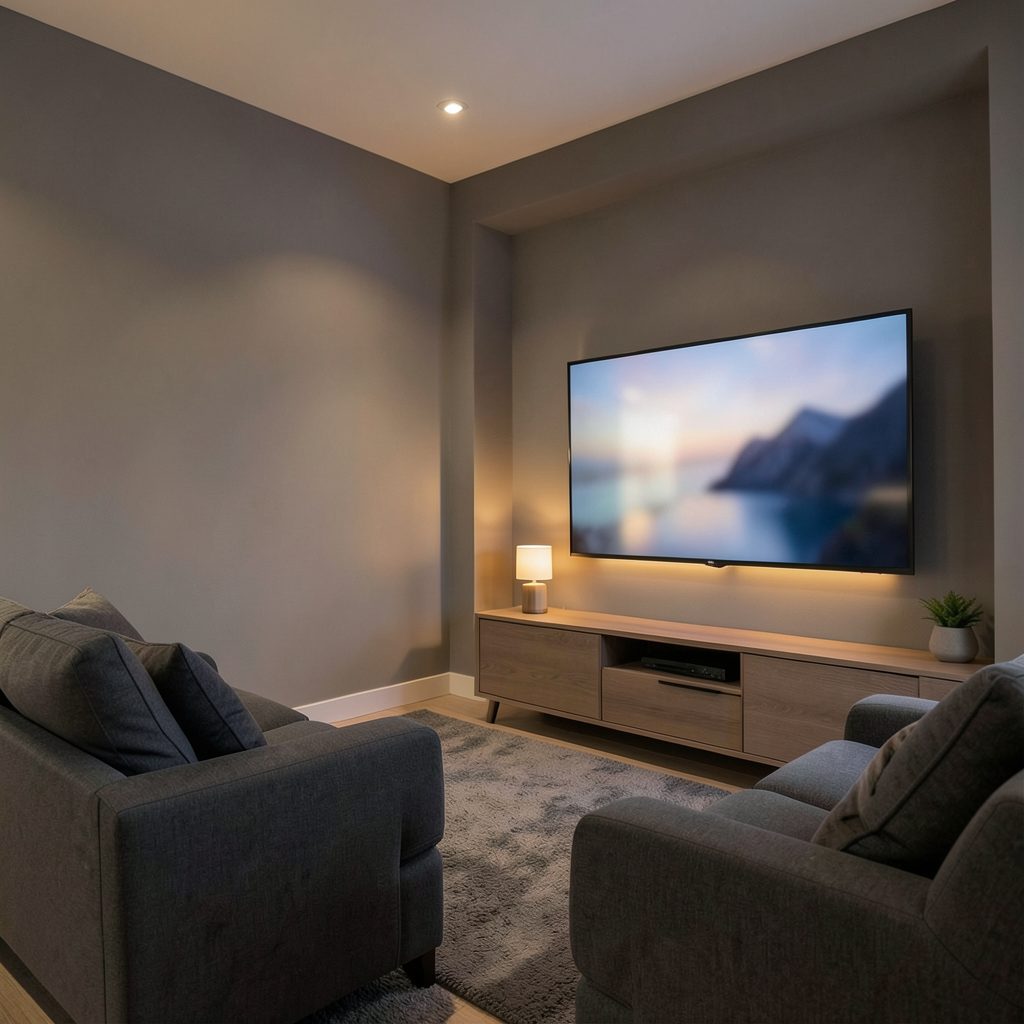
Popcorn Time is designed primarily for computers, phones, tablets, and Android-based media players. LG Smart TVs usually run webOS, which means the application cannot generally be installed by opening an Android APK or downloading an unofficial television package from the LG Content Store. The practical solution is to run the service on another device and send its video output to the television.
Several options can work, including Chromecast, AirPlay, an HDMI cable, or a dedicated streaming box. The best choice depends on your LG model, the Popcorn Time fork you use, your home network, and whether your computer or mobile device supports wireless casting.
Because Popcorn Time uses torrent technology, availability and legality vary by title and location. Use the service only for content you are authorized to access, and check local copyright rules before streaming or downloading. Unofficial forks can also contain outdated components or unwanted software, so source verification and device security are important.
Check your LG TV and playback device
Start by identifying the operating system and model year of the television. Most recent LG Smart TVs use webOS, while older models may have different menus and limited support for newer casting standards. Open the TV settings and look for network, AirPlay, screen share, or device connection options. The names can differ slightly between webOS versions.
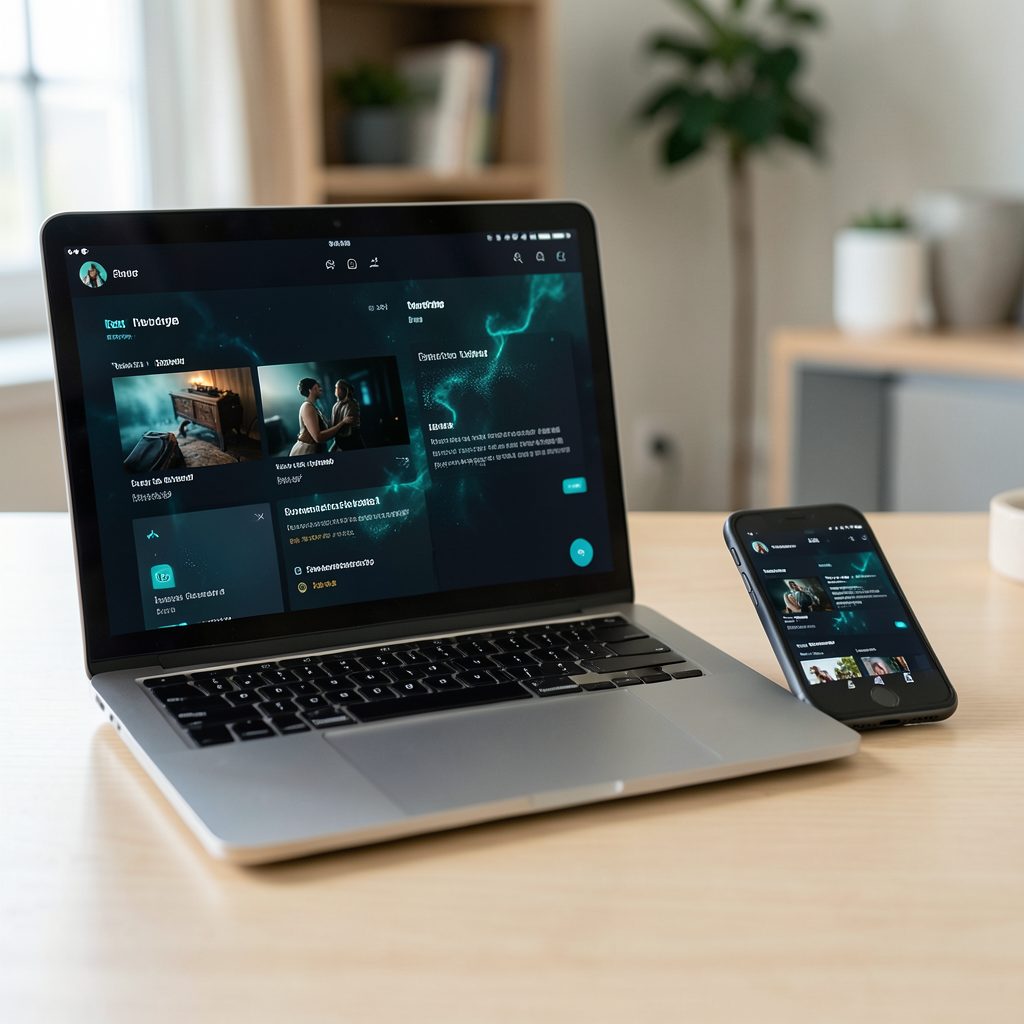
You also need a second device to run Popcorn Time. A Windows or macOS computer gives you the most reliable control, especially if the application has desktop playback settings. An Android phone or tablet may offer Chromecast support, while an iPhone or iPad may work through AirPlay if the application and television support compatible output.
Connect the television and playback device to the same Wi-Fi network before attempting wireless streaming. A 5 GHz network is usually preferable when the devices are close to the router because it can reduce congestion. If the TV is far away or separated by thick walls, a wired Ethernet connection for the television can make playback more stable.
Use Chromecast for wireless playback
Chromecast is often the simplest method when the Popcorn Time application can cast directly or when the playback device can mirror its screen. Some LG televisions include built-in Chromecast support, while others require a separate Chromecast dongle or Google TV streaming device connected through HDMI.
Open Popcorn Time on the phone, tablet, or computer, select a permitted video source, and look for the cast icon in the player. Choose the LG television or Chromecast device from the list. The casting device may initially control playback while the video stream is delivered to the television, so keep the application open and connected until the session begins.
If there is no cast button, screen mirroring may be available instead. Android devices can use Google Cast or a system-level “Cast screen” option, while Chrome on a computer can mirror a browser tab or desktop. Mirroring is more demanding than direct casting and may show notifications, desktop controls, or reduced picture quality.
A missing Chromecast device usually points to a network discovery problem. Confirm that both devices use the same router and Wi-Fi band, disable any guest-network isolation, and restart the router if necessary. VPN settings can also prevent local discovery, so test casting with the VPN temporarily disconnected before changing more advanced settings.
Connect through AirPlay or HDMI
AirPlay is useful for compatible iPhones, iPads, Macs, and LG televisions. On the TV, enable AirPlay in the device connection settings, then use the AirPlay control from the Apple device. Select the LG TV and enter the code shown on the screen if prompted. AirPlay availability depends on the model and webOS version, so an external Apple TV device may be necessary for older sets.
AirPlay may work differently for a video stream than for full-screen mirroring. A supported player can send the video directly while leaving playback controls on the Apple device. If the application does not expose an AirPlay option, use screen mirroring from Control Center, although this can reduce performance and may be affected by protected or incompatible video formats.
HDMI is the most dependable fallback. Connect a computer to an available HDMI input, select that input on the LG remote, and set the computer’s display mode to mirror or extend the desktop. Use a suitable resolution, such as 1080p for older televisions, and configure the computer’s sound output to the HDMI device if audio remains on the laptop.
A wired connection avoids wireless discovery failures, casting restrictions, and many buffering issues. It is particularly useful when the TV does not support AirPlay or Chromecast. A long HDMI cable, a USB-C-to-HDMI adapter, or a Mini DisplayPort adapter may be required depending on the computer.
Compare the available streaming methods
Your preferred method should balance image quality, convenience, compatibility, and privacy. Direct casting is convenient when supported, but it depends heavily on the application and network. HDMI requires more equipment and leaves the computer involved, yet it is usually the easiest option to troubleshoot.
| Method | Additional equipment | Main advantage | Common limitation |
|---|---|---|---|
| Built-in Chromecast | None on supported TVs | Simple wireless control | Requires compatible casting support |
| Chromecast or Google TV device | HDMI streaming device | Broad Android and Chrome compatibility | Needs a free HDMI port and separate power |
| AirPlay | None on compatible LG models | Convenient for Apple devices | Model and app support can vary |
| HDMI from a computer | HDMI cable or adapter | Stable video and audio | Computer remains occupied |
| Android TV streaming box | Compatible external player | Runs more applications directly | Requires careful app and security checks |
Do not assume that an Android TV box can install every Popcorn Time fork safely. Compatibility is different from trustworthiness, and an application that runs on a box may still be outdated, bundled with advertising software, or distributed by an unknown party. Download software only from a source you can verify, scan files where appropriate, and avoid entering personal credentials into unofficial applications.
If you use Popcorn Time for lawful media that you have permission to access, local downloads may sometimes be more stable than live torrent playback. Some forks expose scheduling or queue tools; a guide to schedule downloads can help explain what that feature may support. Downloading copyrighted material without authorization remains illegal in many jurisdictions, regardless of whether the file is later played on a television.
Improve playback quality and privacy
Buffering can result from slow torrent availability, weak Wi-Fi, overloaded peers, or limited device performance. Begin with a smaller video resolution if the application offers several quality choices. A 1080p stream is often more practical than a high-bitrate 4K file, especially when the TV is connected over Wi-Fi.
Keep the router away from large appliances and enclosed cabinets, and avoid using a guest network for the TV and playback device. If several people are gaming, video calling, or downloading at the same time, network congestion may affect playback. Pause unnecessary transfers and restart the stream after the connection has settled.
A VPN can hide traffic from the local network provider and may improve privacy, but it does not make copyright infringement lawful. VPN applications are often unavailable directly on LG webOS, so protection may need to be configured on the computer, phone, router, or an external streaming device. Choose a reputable provider with a clear privacy policy and enough bandwidth for video.
VPN routing can also interfere with casting. The phone and TV may appear to be on different networks when the VPN blocks local device discovery. If this happens, enable the provider’s local-network access option, install the VPN on the router instead, or use HDMI. Avoid free VPN services that impose severe data limits or collect extensive browsing information.
Resolve common LG Smart TV problems
When the television does not appear in the casting list, restart the TV, playback device, and router. Check that the TV is awake and connected to the intended network. On LG models with device connection permissions, approve the connection request. Updating webOS may restore compatibility with newer casting standards, although an update may also change menu locations.
If video plays without sound, inspect the computer or mobile device’s audio output and the TV’s sound settings. Set digital sound output to a broadly compatible mode such as PCM for testing. HDMI adapters, Bluetooth headphones, soundbars, and AV receivers can each redirect audio away from the television.
Black screens and failed playback may come from unsupported codecs, application bugs, or content that is unavailable to the selected source. Test a lawful, locally stored video file through the same connection. If that file works, the issue is likely related to the application or stream rather than the LG display. Avoid installing random codec packs or modified APKs to fix a single playback error.
For repeated buffering, test the connection beside the router and compare wired and wireless performance. Restart the application, clear temporary data where that option exists, and use a lower resolution. If a particular fork behaves poorly, remove it and research a better-supported, legitimate streaming alternative instead of repeatedly changing unknown settings.
Follow safer viewing habits
A careful setup reduces technical problems and limits exposure to questionable software. Use separate passwords for streaming-related accounts, keep the computer and TV updated, and scan downloaded installers before opening them. Never disable security tools permanently to make an unofficial application run.
These practices provide a sensible starting point:
- Prefer HDMI when reliable playback matters more than wireless convenience.
- Use Chromecast or AirPlay only when the LG model and application support them properly.
- Keep the TV, router, browser, and playback device updated.
- Confirm that every film or program is legally available in your region.
- Use a reputable VPN for privacy, without treating it as permission to access unauthorized material.
Start streaming with the right connection
For most LG owners, the quickest path is to run a compatible player on a computer or mobile device and use HDMI, Chromecast, or AirPlay to display it on the television. Check compatibility first, test the network with lawful content, and choose the connection that produces steady video without unnecessary software installations.
Set up the simplest secure arrangement for your equipment, verify the source of any application you install, and keep a wired HDMI connection available as a fallback. With those steps in place, you can enjoy supported media on the large screen while staying attentive to privacy, device security, and copyright requirements.